Sometimes — and filing the claim is sometimes a mistake even when it does. Here's the honest answer, the deductible math, and a 30-second checker.
Florida auto policies draw a hard line. Comprehensive coverage pays for damage from sudden, covered events — a flooded street, a storm-damaged seal, a leak that appeared overnight. Mold that grew because moisture sat in the car for weeks — a window left cracked, a spill never dried, chronic A/C condensation — is treated as neglect or wear, and excluded on nearly every policy.
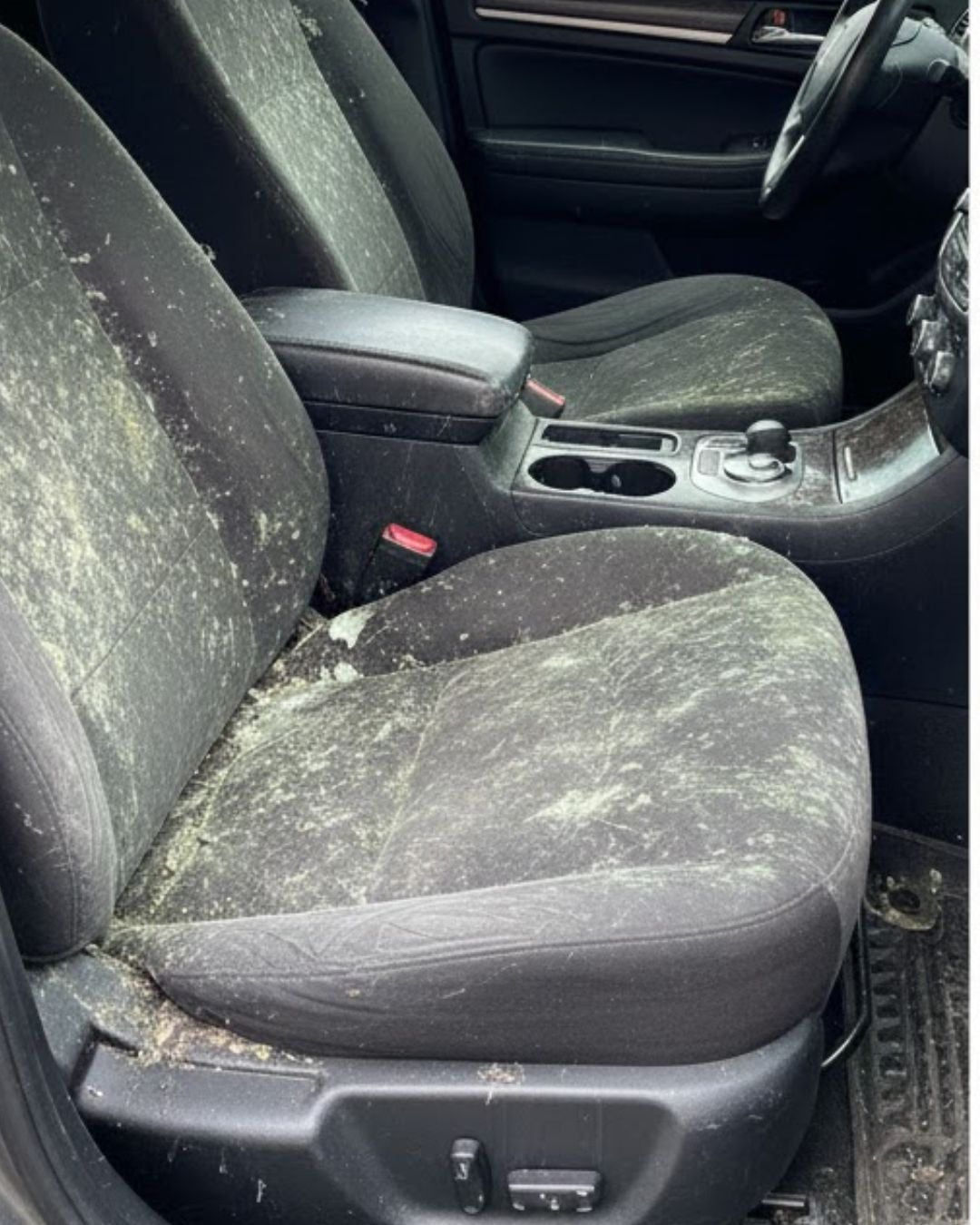
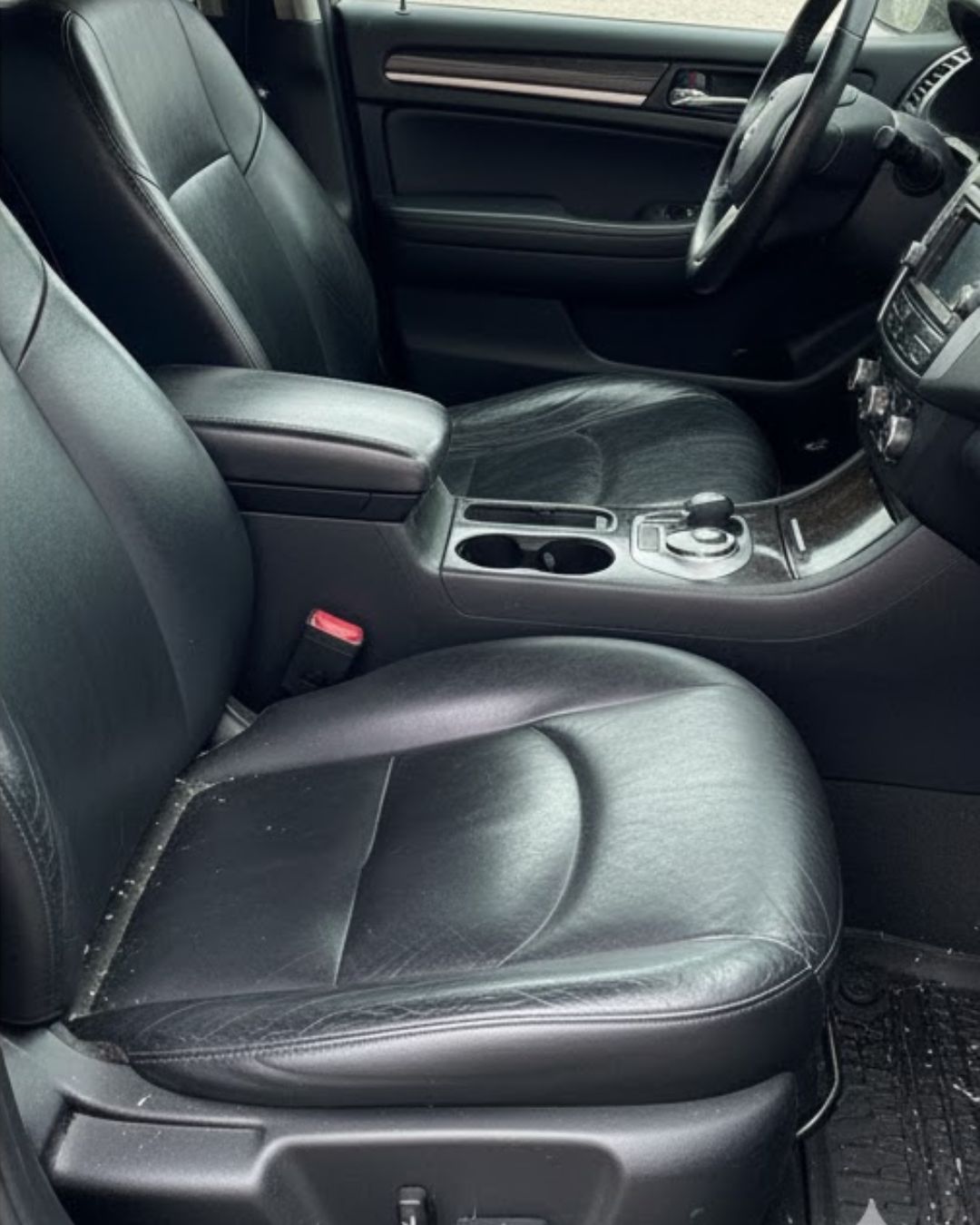
Chevrolet Malibu — a real DShine mold removal job in South Florida. See the full case study.
Sudden cause + comprehensive + low deductible is the one scenario where a claim can make sense. Document everything first: date-stamped photos, the water source, weather reports. Then get our written removal estimate — insurers ask for one.
Professional removal costs $450 flat. With a $500+ deductible you'd pay out of pocket anyway — and the claim sits on your record for 3–5 years, nudging your premium up. Cheaper and cleaner to book it directly.
Gradual moisture or liability-only coverage means the claim gets denied — and a denied claim can still show in your history. The good news: $450 flat solves it in one visit, at your address, guaranteed in writing.
The numbers most drivers never run before calling their insurer:
If the removal costs less than your deductible, the claim pays you nothing and can still cost you at renewal. That's why even drivers who are covered often book directly — same day, no adjuster, no paper trail.

1 — Photograph everything, immediately. The mold, the water line, the wet carpet, the failed seal. Phone photos carry date metadata — that's your proof the event was sudden.
2 — Tie it to an event. Save the local weather report, flood alert, or repair invoice from the day water got in. "Sudden and accidental" is the phrase your adjuster needs to justify approval.
3 — Get a professional estimate in writing. Insurers won't take your word for scope or cost. Our inspection documents the contamination level, cause consistency, and the exact remediation plan — the paperwork that gets claims approved.
4 — Don't drive it while you wait. Mold spores circulate through the A/C. If the car sits, spores spread; if you drive it, you breathe them. Either way, waiting weeks for an adjuster makes remediation harder — another reason the $450 direct route usually wins.
Usually yes — flood is the classic "sudden, covered event." Florida insurers see thousands of these claims every storm season. Document the flooding and file fast; some policies have notice deadlines. If the car flooded, you likely need flooded-car restoration too, not just mold treatment.
A comprehensive claim typically impacts premiums less than an at-fault accident, but it stays on your CLUE report for 3–5 years and can affect pricing at renewal. For a $450 fix, most drivers come out ahead paying directly.
Vinegar and store-bought sprays mask the smell but don't kill roots inside foam and fabric — the mold returns in weeks, worse. We wrote a full breakdown: why DIY mold removal fails.
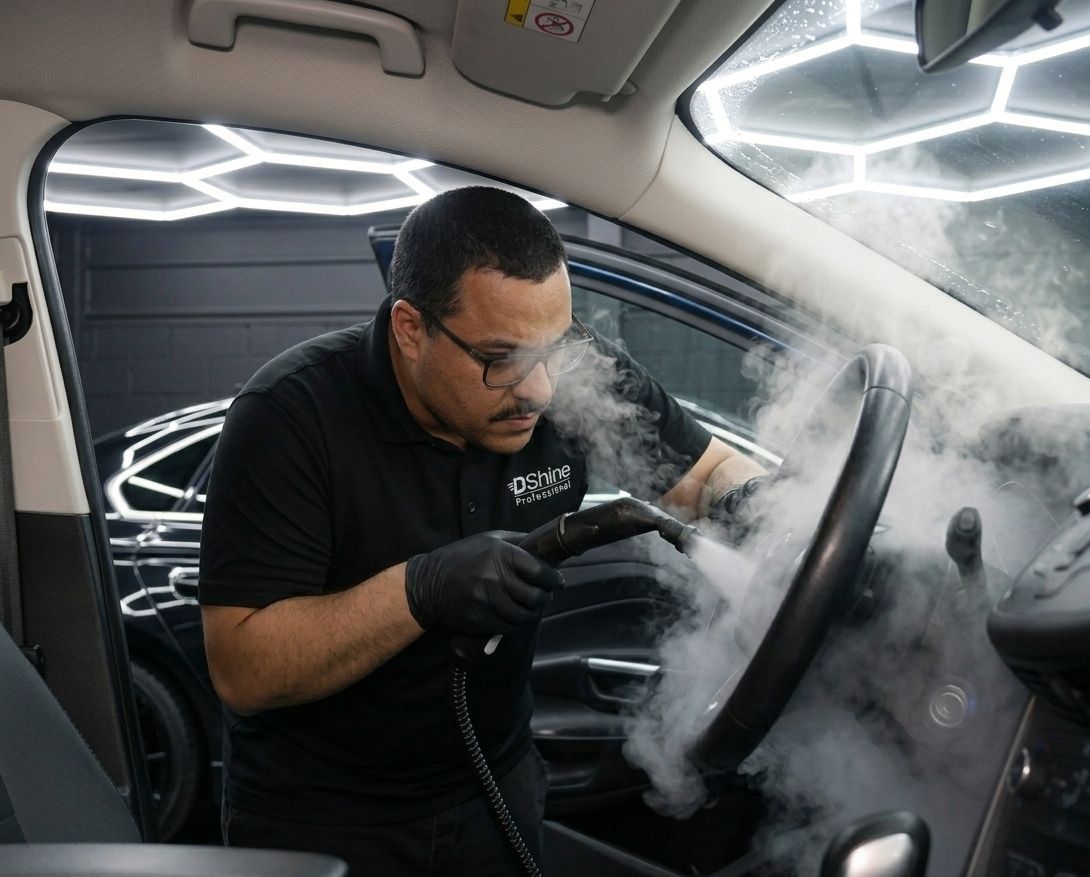
Full interior teardown-level cleaning: high-temperature steam on every surface, seat and carpet extraction, A/C evaporator and vent treatment, HEPA vacuuming, and an anti-microbial barrier — done at your address, with before/after photos and a written guarantee. Available across Miami, Fort Lauderdale, Hollywood, Palm Beach and 60+ South Florida cities.
Covered or not — the car needs treatment now. $450 flat, at your address, written guarantee.