What a Miami Mold Job Includes
This is not a car wash. Car Mold Removal uses Concrobium Mold Control treatment, pH-balanced products, and machine assistance, the same process used in pre-sale preparations for luxury dealerships.
Why it matters for your health: Mold in a vehicle is a different exposure than mold on a wall at home. With the AC recirculating, everyone inside is breathing concentrated spores for the length of the drive. The EPA and CDC both link mold exposure to respiratory irritation, allergic reactions, headaches, and worsened asthma symptoms. Children, older passengers, and anyone with a compromised immune system typically react faster and more severely than a healthy adult would. By the time the smell is noticeable, spores have usually already spread through the HVAC system into every vent in the cabin.
Curious what actually happens during the visit? Tap through our real 11-step process below to see what we do at each stage and why it matters.
What every Miami mold job gets you
Most detailers in Miami charge less. Here’s exactly what you gain — and what you risk — with each choice.
| DShine DetailsFrom $549 · travel included | Avg Miami Detailer$149 – $199 | |
|---|---|---|
| Industry certificationsIDA, Koch Chemie, Meguiar’s, 3M, Symplex, XPEL | ✓6 verified | —0 credentials |
| $2M liability insuranceWe cover any damage — in writing | ✓ | —Often uninsured |
| Deionized water systemZero mineral residue, no water spots | ✓ | —Tap water, water spots |
| Fresh microfibers per vehicleNo cross-contamination between jobs | ✓ | —Shared towels, swirl risk |
| Mold-specific chemistry onlyConcrobium, Benefect & Meguiar’s, no harsh acids | ✓ | —Industrial degreasers |
| Before & after photosSent via WhatsApp on completion | ✓ | —No documentation |
| 100% written satisfaction guaranteeReturn & redo at no cost if unsatisfied | ✓ | —No written guarantee |
| Travel to your address — $0Home, office, condo — no drop-off | ✓ | Sometimes adds fee |
DShine vs. any other detailer
in Miami, Miami-Dade County
Three things most detailers won't tell you. We put them in writing.
 Since 2018
With more than 20 years of hands-on experience in the automotive care industry, Evelio launched DShine Details in August 2018 with one van and zero shortcuts. For the first six months he slept in the van to keep costs down and standards up. Today DShine runs 7 certified vans across Miami-Dade, Broward, and Palm Beach, and the commitment hasn't changed. Every vehicle is treated as if it were his own.
What clients say
in their own words.
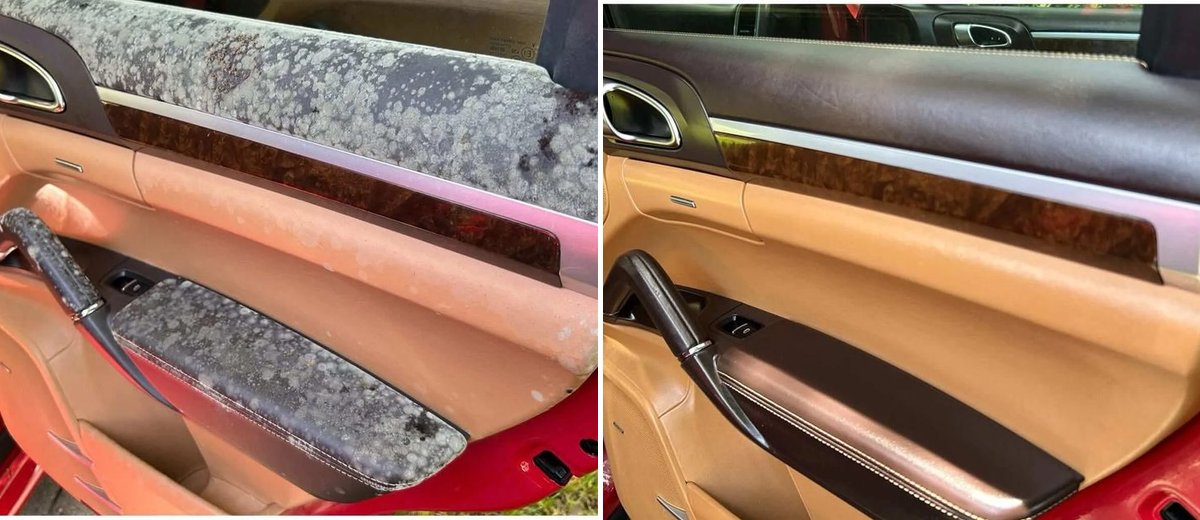
Before & After: Mold Removal We've Actually Done
No stock photos. These are real DShine mold removal jobs across South Florida, the same 11-step process and chemistry used on every Miami appointment.
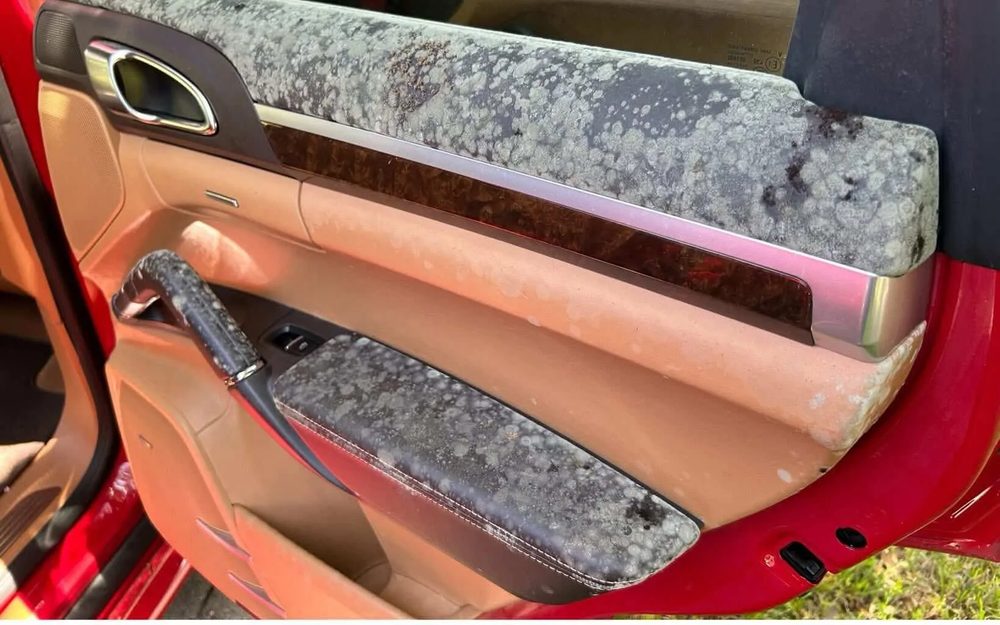 Before
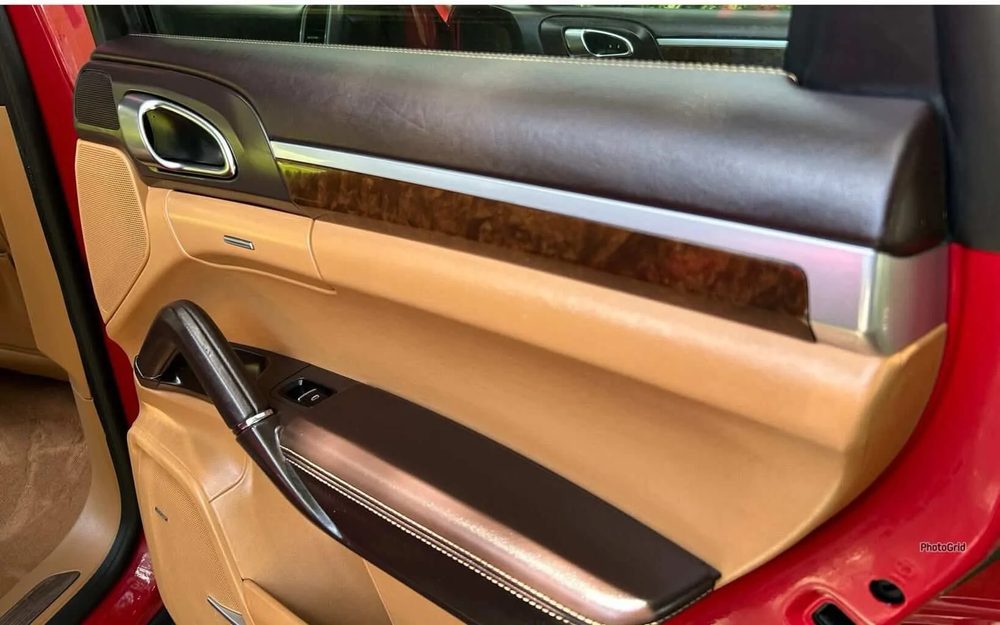 After
Porsche Cayenne — Door Panel & Armrest
Mold spread across the tan leather door panel, armrest and wood trim of a red Porsche Cayenne. Leather like this cannot be scrubbed hard, so it gets the leather-safe protocol: gentle steam and extraction around the trim, then Concrobium and the sealed ozone cycle. Door panels are often the first place moisture shows in a car that takes in rain at the seals, which is a common pattern in Miami's wet season.
 Before
 After
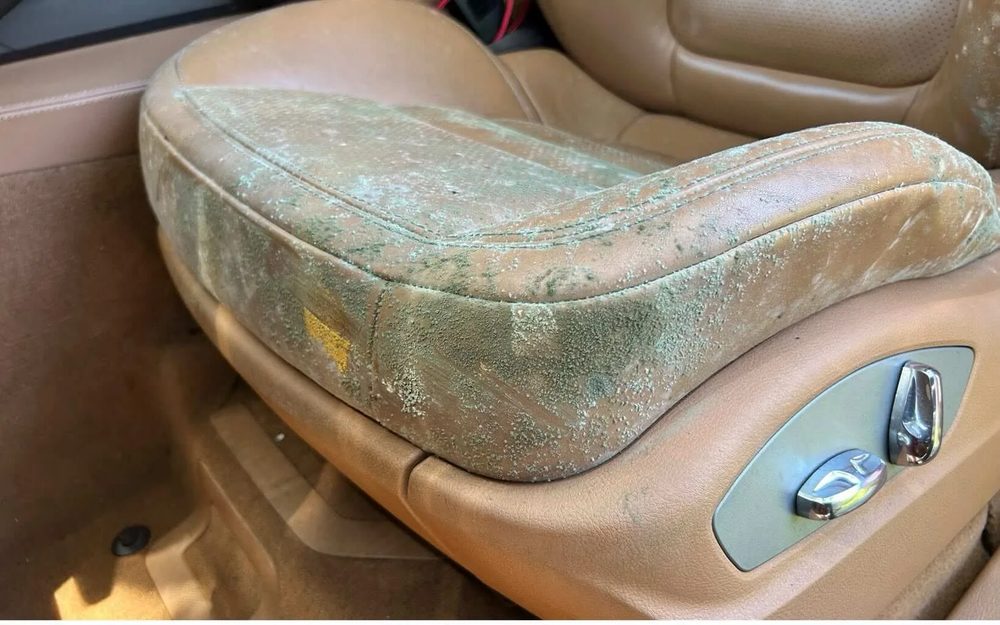
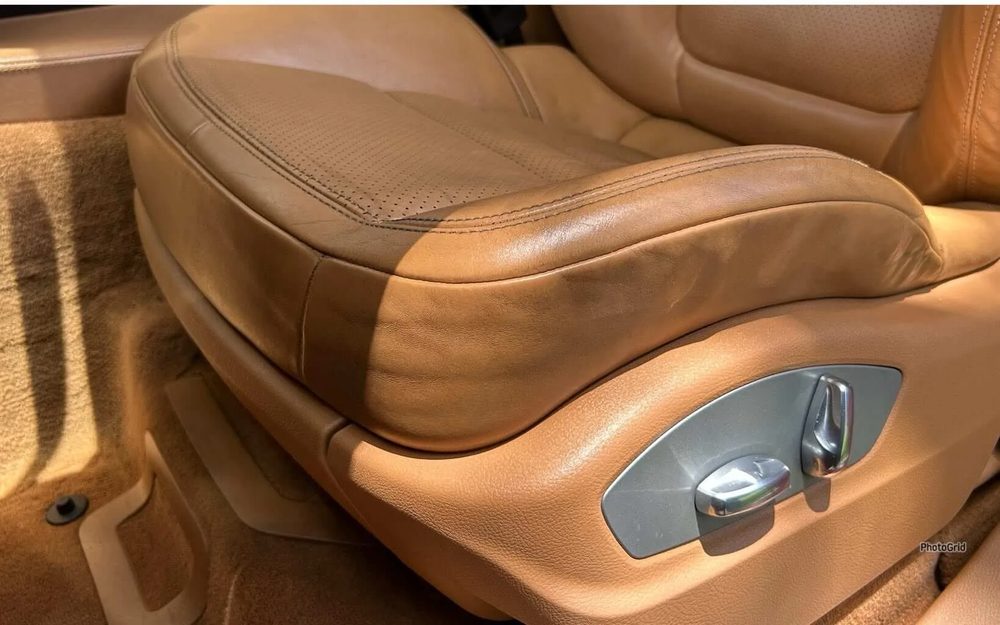
Leather Seat Bolster — Green-Blue Growth
Green-blue mold covering the tan leather bolster of a front seat, the part that rubs against the door and gets the least airflow. We lift growth with gentle steam and a leather-safe cleaner instead of aggressive scrubbing, treat the seams where spores hide, then finish with Concrobium and ozone. On cars parked outdoors in Miami, seat bolsters near the door often stay damp longest after a storm.
 Before
 After
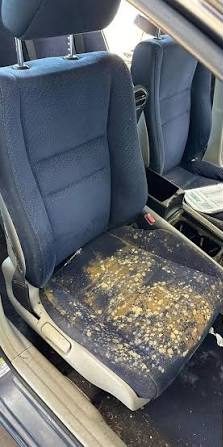
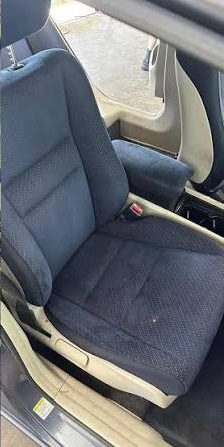
Cloth Bench Seat — Mold Stain Residue
A dark blue cloth bench seat with the cushion lifted, showing tan and yellow mold-stain residue on the underside of the seat bottom. That is a sign moisture sat under the cushion for a long time. We lift and treat both sides, run deep extraction through the foam, then apply Concrobium and the ozone cycle. Under-seat dampness is a common result of rain-wet cars sitting closed up in humid Miami weather.
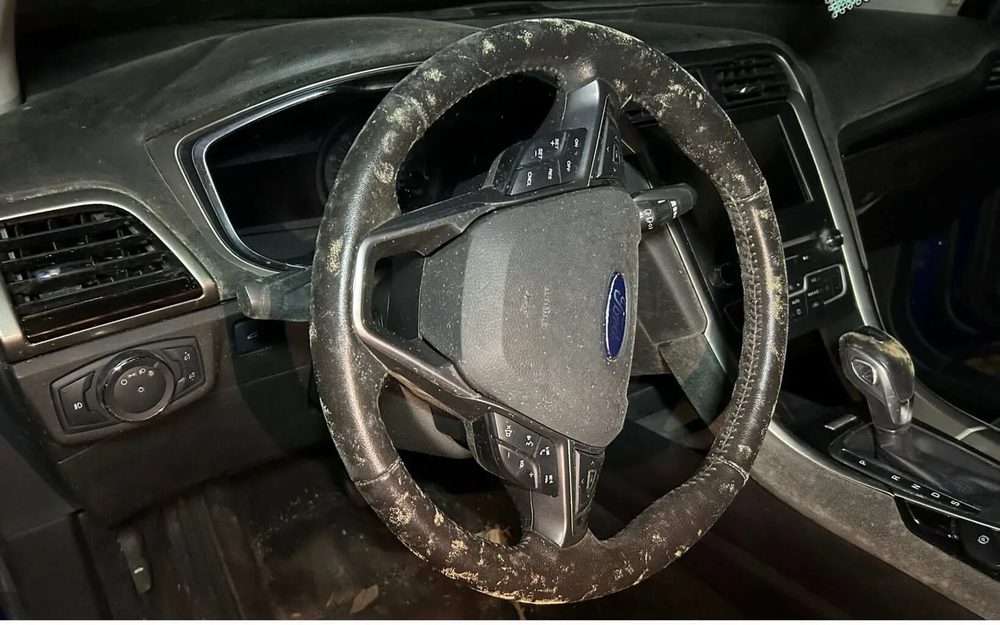 Before
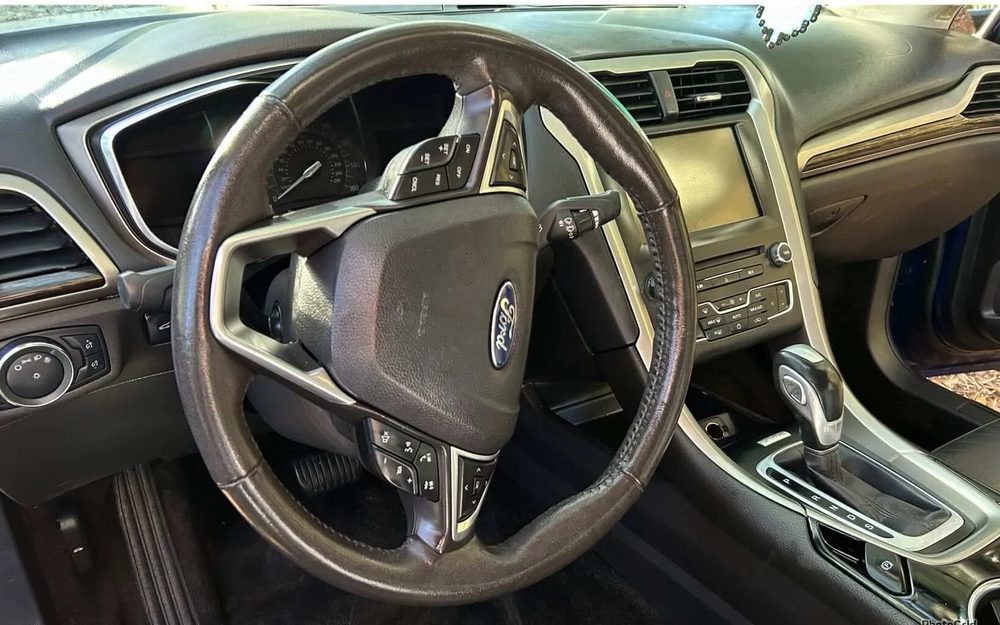 After
Ford Interior — Steering Wheel, Dash & Vents
Grey-white mold bloom across the steering wheel, dashboard and vents of a Ford sedan. Hard surfaces like these are steamed and treated at close range, and the vents get special attention because they feed air straight across the cabin. A bloom this visible usually means the car sat shut and humid for a while. In Miami that kind of buildup is common when a car stays closed through a wet, humid week or more.
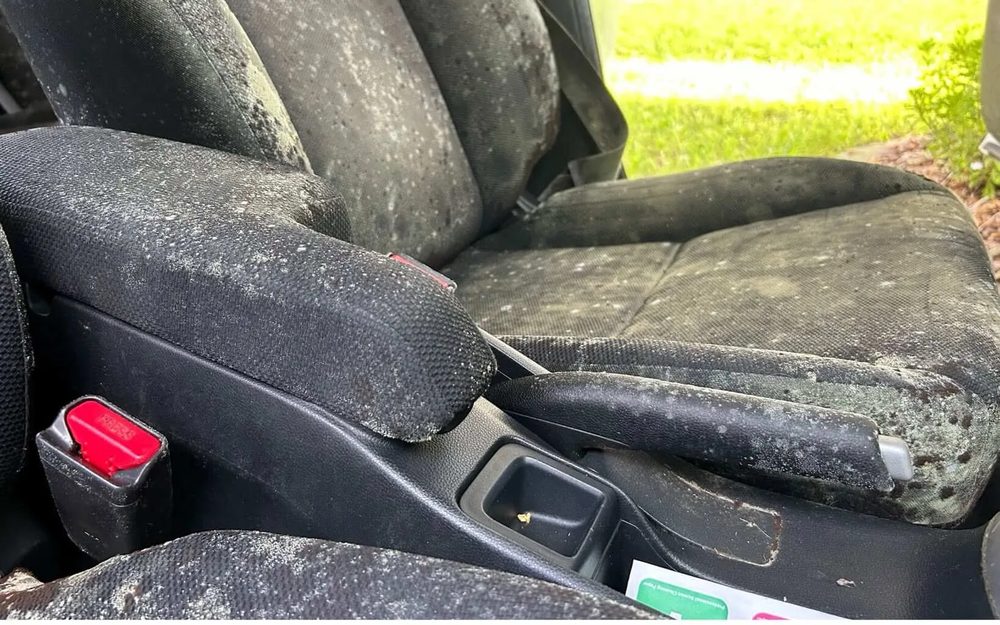 Before
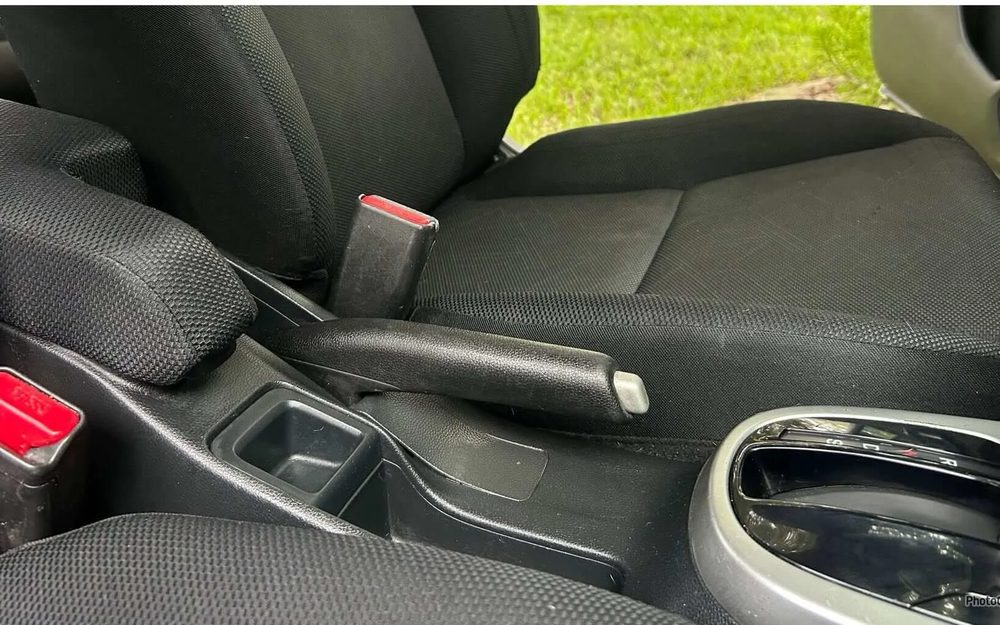 After
Black Cloth Seat & Console — White Mold Bloom
Grey-white mold bloom across a black cloth driver seat and the armrest and console beside it, with green lawn visible outside the window. Dark fabric shows fuzzy growth clearly, but the roots reach into the foam. We use HEPA vacuuming, steam, extraction and Concrobium, then ozone for the air and the vents. Parking beside lawn and landscaping can add ground moisture, a pattern that fits many Miami curbs and lots.
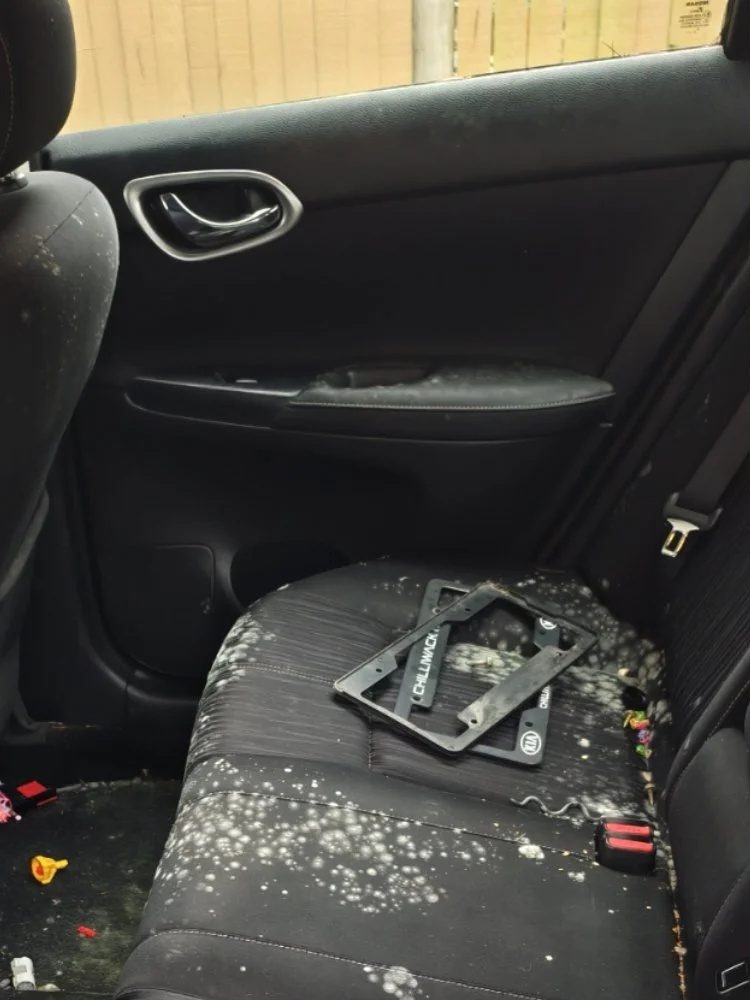 Before
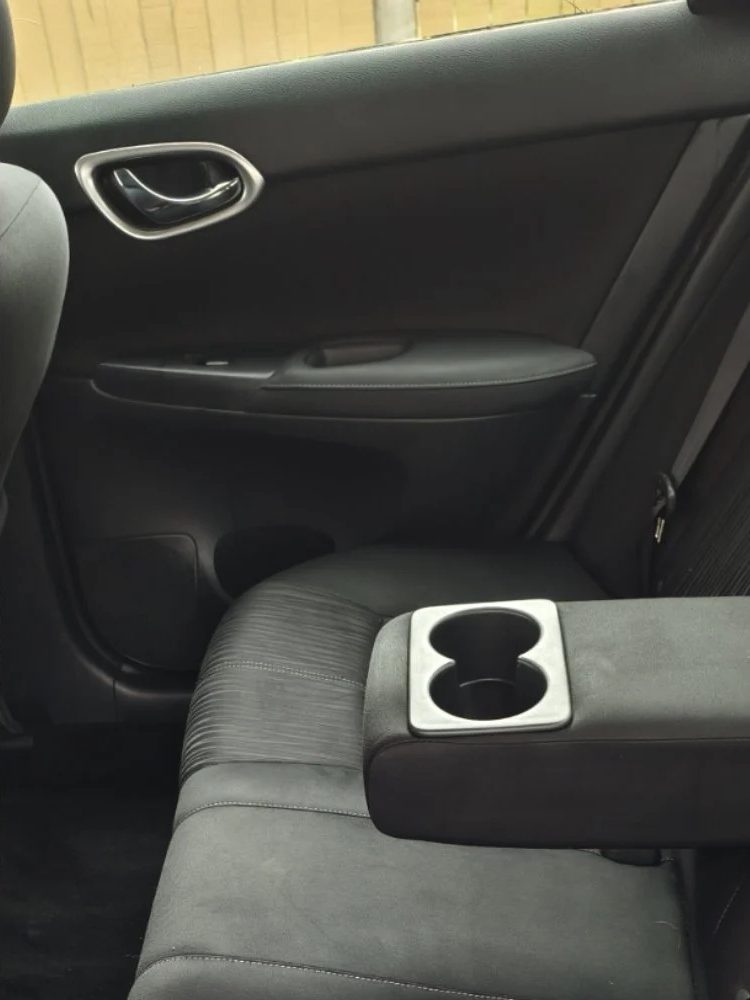 After
Rear Seat & Door Panel — White Mold Spots
White mold spots across the rear cushion and door panel of a black sedan, with loose debris and a license plate frame left on the seat. Loose items and debris hold moisture and give mold something to feed on, so we clear and vacuum everything first with HEPA, then steam, extract and treat with Concrobium. Cars that carry items on the back seat through wet weather often show this pattern in Miami.
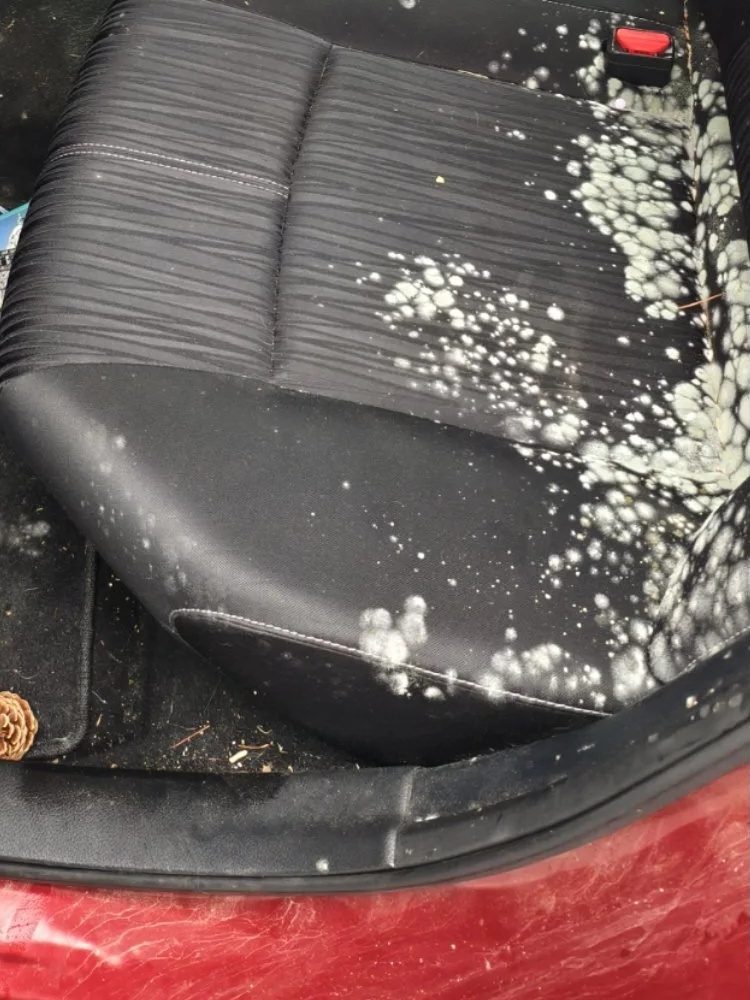 Before
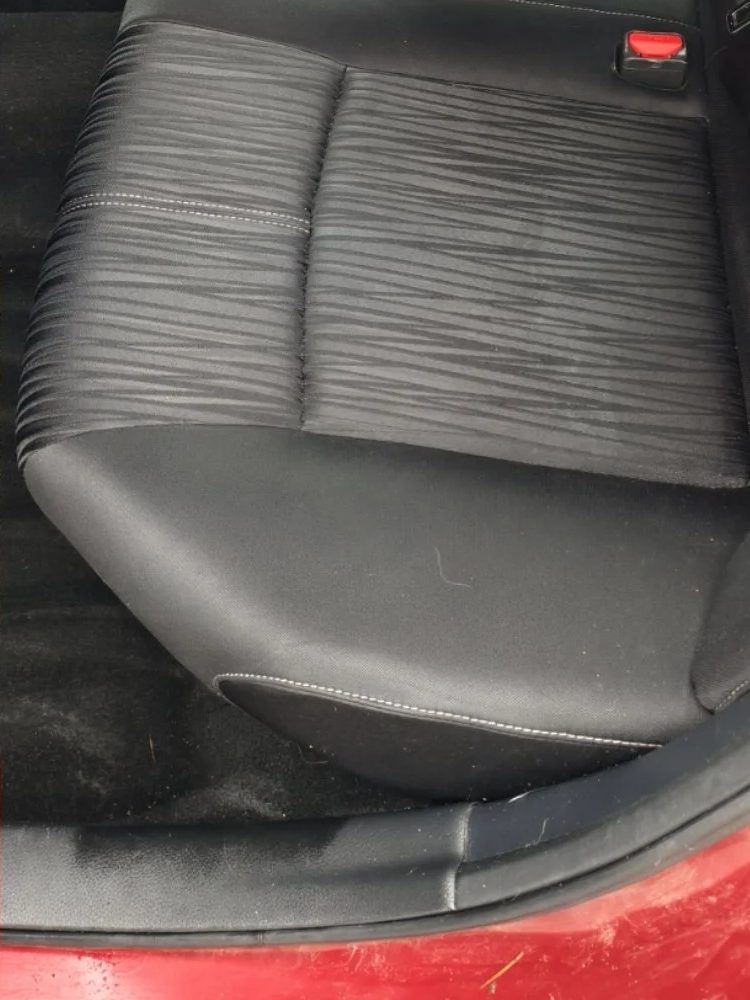 After
Black Cloth Seat — White Mold Speckles
White mold speckles scattered across a black cloth seat, with the red car body visible below the window. Early speckling like this is easier to treat than a spread-out bloom, which is exactly why we ask for photos at the first sign. Steam, extraction and Concrobium handle surface growth, and the ozone cycle reaches the rest of the cabin. In humid Miami weather, a small patch can multiply quickly if the car stays closed.
 Before
 After
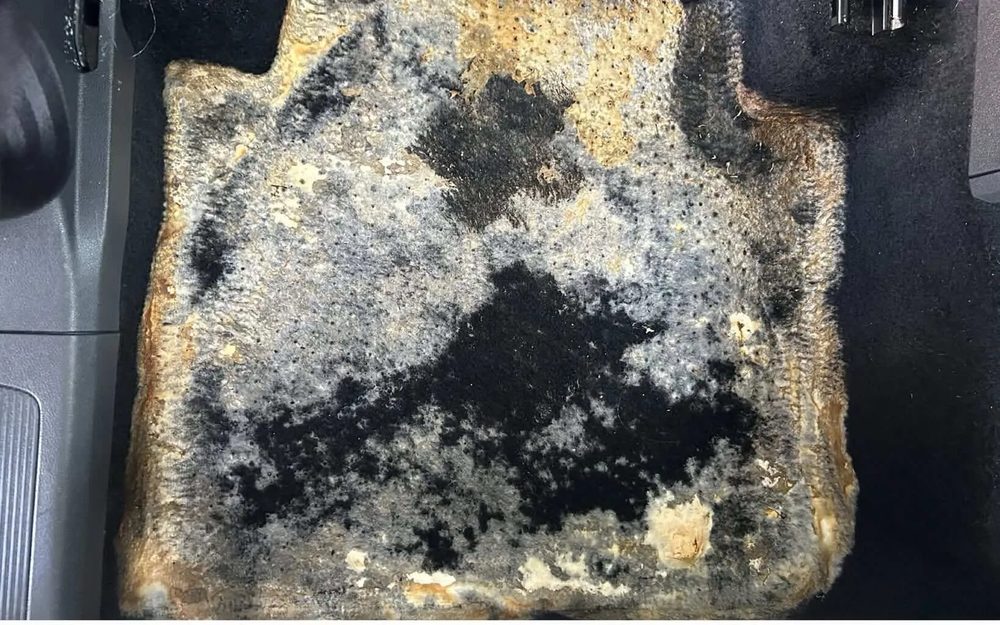
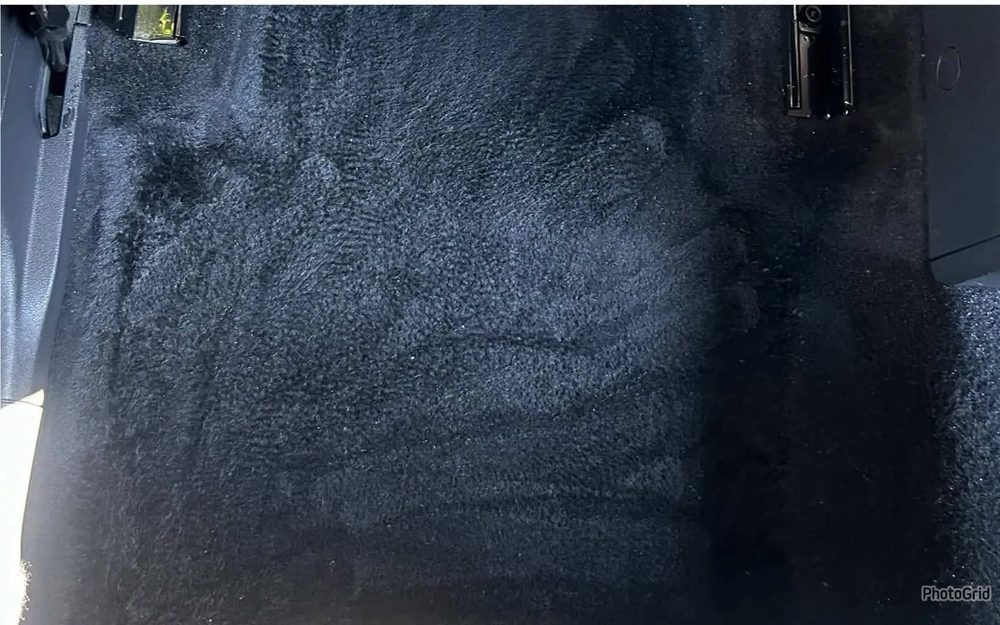
Floor Mat — Heavy Colony Growth
A carpeted floor mat covered in heavy black, brown and white mold colonies. This is the advanced stage, where moisture has been trapped for a long time. The mat and the carpet under it get deep extraction and steam, the padding is checked, and Concrobium and the ozone cycle follow. Floor mats collect water from wet shoes, umbrellas and leaks, which makes them a frequent starting point for mold in a rainy city like Miami.
100% Satisfaction.
Written. No exceptions.
If the result doesn’t meet our standard, or yours, we come back and redo it at no charge. No forms to fill out, no arguing over what “counts.” The guarantee is in writing before we ever touch your vehicle.
Request Mold Removal in Miami · From $549
Fill this in once and send it. We get your address, vehicle, and the situation all in one message, no phone tag.
Rating
Detailed
Response
Three steps from a damp cabin to a dry one,
at the curb, carport or garage. We handle the rest.
No drop-off. No waiting. We come to Miami.
We come to you in Miami,
from Calle Ocho curbs to Edgewater tower garages.
Mobile service: home, office, condo, or marina. No drop-off, no travel fee.
Not seeing your city? Ask us — we likely cover it.
Afternoon downpours and tired door seals
are a hard combination for a car that sleeps outside in Miami.
Miami sits about 7 feet above sea level, its airport station records roughly 67 inches of rain a year, and fewer than one in three homes is owner-occupied, so a car left outside through a few weeks of storms is already at risk. Left untreated, what starts as a musty smell becomes a real health issue for the next person who drives the car. DShine's Concrobium Mold Control and ozone process address the cause, not just the symptom, backed by $2M insurance and a written guarantee. Mold doesn't need much to get started, any trapped moisture inside a closed cabin is enough given South Florida's humidity. The source is almost always one of four things: a clogged AC condensation drain letting water pool silently on the floor pan, a failed door or window seal letting rain in, a clogged sunroof drain, or the car simply sitting unused for two or more weeks without the AC running. In Miami the cause we meet most is rain getting in around worn door seals and sunroof drains on a car that lives outdoors, then sitting shut and damp in the heat until the carpet and foam stay wet.
Miami neighborhoods we serve,
from Little Havana to the Design District.
Seven Miami districts, from Calle Ocho blocks to Biscayne Bay towers, and how parking changes the mold risk in each.
Little Havana & Calle Ocho — Little Havana runs about 2.5 miles west of downtown, with Calle Ocho (SW 8th Street) at its heart. Many cars here sleep at the curb or in small lots, taking rain on every seal. We work with street parking, ask about block rules, and come to your door with the equipment instead of asking you to leave the car.
Wynwood — Wynwood sits between I-95 and the railway, from N 20th Street to I-195, and has shifted from warehouses to artists' studios, restaurants and cafés. Cars here are parked in lots, on side streets and in garages. Open lots in full sun and sudden storms are a hard combination, and we plan around which one you use.
Edgewater — Edgewater lies between Biscayne Bay and the railway, from N 17th to N 37th Street, with high-rise towers along the water. Many residents park in building garages, where concrete holds humidity and airflow is limited. We coordinate with the building office for access and tell you where we will set up.
Midtown Miami — Midtown grew on a former FEC rail yard between N 29th and N 36th Street, around the Shops at Midtown Miami. Residents and shoppers park in structures and lots around the towers and shops. A car that sits parked for weeks between trips is the usual story, and we handle gate and access details with you.
Miami Design District — The Design District sits between N 36th and N 43rd Street and has large parking structures, including City View Garage and the Museum Garage, plus street parking. Cars here are often parked in shared structures with little airflow. We coordinate access with you or building management before we arrive.
Allapattah — Allapattah, bordered by the Miami River, I-95 and NW 27th Avenue, is home to the Produce Market, shipyards and auto shops. Work vans, pickups and delivery cars are common, often parked in open lots or on the street. Wet gear and boxes left in a cab through a rainy week is a typical cause.
Flagami — Flagami lies south and east of the Tamiami Canal and averages only about 3 feet above sea level, with apartments, duplexes and single-family homes. Many cars sit in driveways, carports or on low streets that collect water after a downpour. We come to your driveway or lot and look hard at the floor and sills.
Don't see your area? Ask us — we likely cover it.
Miami car mold questions,
answered before you book.
Tap any topic to read the full breakdown.
At roughly 7 feet above the sea, Miami has little drainage margin. Miami International Airport logs about 67 inches of rain in a normal year (NOAA 1991 to 2020), on about 141 days, and the average relative humidity there sits near 73 percent. That is why a damp carpet in a shut cabin can stay damp for weeks, even when the sun is out.
The wet half of the year runs from May to October, with June the wettest month at about 10.5 inches and September and August close behind. Much of that rain arrives as afternoon thunderstorms, exactly when a car parked outdoors is hot, closed up and ready to be soaked. The same months sit inside the Atlantic hurricane season, June 1 to November 30, which NOAA says peaks around September 10.
A single event can be enough to start the problem. On June 6, 2023, a thunderstorm flooded streets and businesses in Little Havana, and the City of Miami lists September through November as king tide months, when low streets can flood on a clear day. Water that reaches a car's floor is the fastest route to mold.
Most Miami cars we are asked about are everyday vehicles: commuter sedans, family SUVs, small crossovers and pickups that spend every night outdoors. The Census puts owner-occupied housing in the city at just under 31 percent, which means a large share of cars live at apartment lots and curbs, not in a garage the driver controls.
High-mileage working cars are the second group. Rideshare sedans, delivery vehicles and sales cars run the A/C for most of the day, collect wet bags, umbrellas and cups, and get washed on the outside far more often than they get dried on the inside. A cold evaporator, damp carpet and a closed door give mold everything it needs.
Around Allapattah, with its produce market, shipyards and auto shops, we also expect work vans and pickups with damp tarps, boxes or gear left on the floor. Tower residents in Edgewater and Midtown more often have a newer car that sat in a shared garage for a few weeks. Different cars, same pattern: moisture got in and nothing dried it.
One more profile: the second car. Many households keep an older spare for errands or for a relative, parked at the back of a driveway or lot and started once a week. It is rarely the car anyone checks, so by the time a smell shows up, the carpet has been damp for a while.
Street parking: On the grid blocks of Little Havana, Shenandoah and Flagami, a great many cars sleep at the curb. Rain hits the roof, the glass and every seal from several directions, and the car gets opened only for short trips. Mold usually starts at a door seal or a sunroof drain and shows first in the carpet along the sill. On low blocks the problem is worse: Flagami averages only about 3 feet above sea level, and in the king tide months of September to November water can sit on a street for hours.
Carport at an older house: Many older single-story homes have a carport instead of an enclosed garage. The roof keeps off the sun but not the wind-driven rain of a summer storm, and the open sides move humid air around without drying anything. Water that gets past one tired seal still ends up on the floor.
Apartment or condo surface lot: Rows of cars sit in full sun all afternoon, then a downpour hits a hot car and soaks any seal that has aged. Renters often cannot choose or change their space, so we plan around the lot's access rules and ask you only for a gate code or a contact, not to move the car.
Tower or mixed-use garage: Edgewater, Midtown and the Design District rely on parking structures. Concrete holds moisture and airflow is limited. Miami's shallow water table (Wikipedia notes you cannot dig much past 15 to 20 feet without hitting water) tends to keep garages at or above street level, where storm spray and damp shoes still come in.
May and June, the first soaking: After a drier winter, the first heavy rains find every door seal that cracked or shrank. June is the wettest month at about 10.5 inches, and the driver who cracked a window for heat just before a storm is the classic case we are called for in these weeks.
July and August, heat and storms: Heat and frequent afternoon thunderstorms put a parked car through a daily bake-and-drench cycle. Storm water is driven against the seals, the cabin steams afterward, and a car left outdoors through a week of this often smells musty before anyone sees a single spot.
September and October, peak storms and king tides: NOAA says hurricane activity peaks around September 10, with most of it between mid-August and mid-October. The City of Miami also lists September through November as king tide months, when streets in low areas can flood on a clear day.
November to April, the false all-clear: Rain eases, windows go up, and the A/C or heater goes on again. That first blast of air across a damp evaporator and soaked carpet is when many owners notice a smell that had been building all summer. Winter is the easiest time to fix it, because the carpet that was soaked in autumn will not dry by itself.
Many of our Miami appointments are not at a driveway. They are at a curb, an apartment lot, a work address or a tower garage level, so before we come we ask where the car will be and who controls access: a gate code, a building office, a parking attendant, or simply a street with time limits.
For street parking we look for a legal spot with room to open every door and run the full cycle, and we ask you to mention street cleaning or permit hours on your block. For lots and garages we ask about height limits for our van and any rule the building has for outside vendors, so there is no argument at the gate.
If you cannot be there, a neighbor, relative or building contact can hand over the keys and be added to the WhatsApp thread. They receive the same before and after photos you do, so the person standing at the curb is never left guessing what is happening to the car or whether the work is done.
We also tell you in advance which spot at your address gives us the most room, and where the shade tends to fall at that hour. Working in Miami heat is slower and harder on equipment and people, so a spot with a little shade and clear access to every door makes the whole visit run more smoothly.
1. Rain through worn door and window seals: The main cause in a city with about 141 rain days a year and so many cars parked outdoors. Rubber dries out in the heat, shrinks and cracks, and lets wind-driven rain onto the sill and carpet. The driver rarely notices, because the water soaks in under the floor mat.
2. A window or sunroof open for a storm: A window cracked for heat, or a sunroof tilted before an afternoon cloudburst, can put a lot of water onto seats and carpet within minutes. Dried the same day it is usually fine; closed up for a week of humid weather, mold has everything it needs. Umbrellas, damp bags and spilled drinks on a mat do the same job more slowly.
3. A clogged A/C drain: Cars that run the A/C for hours, such as those of rideshare and delivery drivers, produce a lot of condensation. If the drain line clogs, the water backs into the passenger footwell and under the dash, where it stays wet and sends a sour smell through the vents.
5. Street water over the door sill: After a king tide or a heavy downpour on a low block, water can rise above the floor. Flooded Car Detailing ($549) is meant for the first 72 hours; after that mold is usually established and Car Mold Removal is the right service.
A Miami booking typically opens with a message and a few pictures: the stained seat, the carpet under the mat, maybe the vent that smells. We reply with the tier those photos point to, and once we have gone through them and your description, we lock in the exact price. Nothing is booked until you have a number you accept.
On the day, the van pulls up where the car lives, whether that is a curb on Calle Ocho, an apartment lot in Edgewater or a carport in Flagami. A walk-around inspection opens every door, the trunk and the vents, and we press the carpet to find where the water went in. Then the 11 steps run in order, about three to four hours in all.
You can leave us to it. Photos taken before and after land in your WhatsApp, and someone at the address, a neighbor or the building office, can be added to the thread if you are at work. We tell you when the cabin has aired out enough for you to get back in and drive.
Before we pack up, we tell you where the water appears to have entered, what we treated and what to watch over the next few storms. If a seal or a drain looks like the culprit, you leave with a clear note to hand to a repair shop, so the fix does not depend on your memory.
Almost every first call asks the same thing: can you come to where the car is parked? We can. Travel is included and the work happens at your address, be it a house, an office, a condo or an apartment complex lot. All we need is a safe spot to work and a way in, such as a gate code or a name at the front desk.
Then people want to know how bad it is. Usually it is a few spots on one seat plus a smell when the A/C starts, which is the $549 tier. When it has crept across carpet, headliner and vents, it is the $749 tier. Callers also ask whether it will come back once storms resume, and that is what the 30-day written guarantee answers.
Plenty of callers have already tried baking soda, a spray from the store or a hanging freshener. We explain, without judgment, why those rarely hold: they work on the surface, while the growth sits in foam, padding and ducts, and a fragrance only masks what the nose picks up.
A last group asks about timing, and the answer is the same in any season: as soon as the smell or the spots appear. Dry weather does not dry the padding under the carpet, so a car that stays damp keeps growing mold long after the rain has stopped.
Ceramic Coating is the add-on people raise first. A car that sleeps outdoors takes sun, storms and bird droppings every day, so an owner already calling about the cabin often wants the paint protected on the same visit. Paint Correction follows, mostly for dark cars where each swirl shows in Miami sunlight.
Odor Removal ($349) comes up when the cause turns out to be a smell with no visible mold, such as spilled food or smoke. We tell you honestly which service fits once we see the photos, so you do not pay for the wrong one, and if a car needs both we explain why.
We confirm any add-on with you before it starts, and the cabin treatment always comes first. Coating and correction belong on a clean, dry car, and the interior needs to air out fully before anything else is added, so we plan the order of the work instead of stacking everything into one rushed afternoon.
Fogged windshield or side glass that keeps misting on a mild morning is a quiet sign that moisture is trapped inside. So is a damp patch under the floor mat, usually near the door sill or in the passenger footwell, which you can feel by pressing a hand into the carpet.
Pay attention to the first ten seconds after you turn on the A/C. A sour, earthy or gym-bag smell that fades after a minute points at the evaporator or its drain. Small white or grey dust along seat seams, a tacky feel to a seatbelt, or a spot that returns after wiping are the other early clues.
In a car that lives outdoors, check after every big storm. Ten minutes with a towel and the doors open in the shade costs nothing, and it is far cheaper than the full-vehicle job a damp cabin becomes after a few more weeks of rain. Sending us a photo early costs nothing either.
Before a car sits unused, clear out whatever holds water: floor mats, gym bags, umbrellas, wrappers. Wipe the rubber door seals, and park under a roof when you can, or at least away from the lowest corner of the lot where water pools after a storm.
Think about the A/C too. Switching it to fresh-air mode for the last few minutes of a drive lets the evaporator dry before you park, which matters in a city where the air outside is already thick with moisture. Leave the sunroof fully shut and every window up all the way.
If a friend or family member can start the car and drive it for twenty minutes once a week, ask them to. Moving air and a warm cabin do more to keep the carpet dry than any freshener, and that short drive also tells you early if something smells wrong.
One more habit that helps Miami cars: when you park outdoors for days, leave the mats flat and dry and avoid parking directly under a leaking gutter or a dripping tree. A few inches of difference in where the car sits can change how much water ends up inside.
Households in Miami often share a driveway, curb or lot space between two or three cars, and one of them usually gets the worst of it. It is typically the car parked beside the downspout, under a tree, or on the low side of the lot, where water collects after every storm.
Each vehicle is priced from its own photos, so one car may fall in the $549 tier and another in the $749 tier. We schedule them back to back where we can, which saves you from arranging two separate visits, and we explain the difference between the two before we start.
Neighbors in the same building sometimes want to book on the same day. If your lot has rules for visitors or outside vendors, tell us in advance and we plan around them, so the whole visit stays quiet and out of the way of other residents.
When one car is driven daily and another mostly sits, the mold usually shows in the one that sits, but a damp item carried in by the active car is often what started it. Whichever car you book first, we are glad to look at the others and tell you what we see.
Should mold or a mold smell reappear in the treated car within 30 days, we come back and re-treat it at no charge. The promise is in writing, not a handshake, because we would rather return than have you wonder whether the work survived a week of Miami storms.
Because rain is the city's main moisture source, the honest advice is to deal with how the water got in. A worn seal or a blocked sunroof drain will keep feeding the carpet, and no cleaning outlasts a leak. During the inspection we look for the entry point and say plainly what we found and what a shop should check.
That is why we hunt for the source and not just the growth. A guarantee carries more weight when the cabin has a reason to stay dry, and a short talk at the end of the visit about where you park and how the seals look can do more for you than any promise.
If anything returns, send us a photo and we schedule the repeat treatment, with no new charge for the same area. Keep the written guarantee with the car's papers, in the glove box or with the registration, so it is on hand when you need it.
An older car often has seals that are past their best, original carpet and fabrics that have taken years of humidity, and sometimes leaks nobody has noticed. We treat it gently, use the leather-safe protocol on any leather, and put extra care into drying, because old foam holds water longer.
Work vehicles have a different profile. A pickup or van with rubber floors and a cargo area may show growth under the mats, in the seat tracks and in the seams of the cab, where mud and damp gear collect. Hard surfaces get steam and treatment; fabric gets extraction.
We never promise to erase age or wear. We promise to treat the mold properly, and we tell you what we see before work begins, including when something like a stained headliner or faded fabric will keep a mark even after the mold is gone, so your expectations match what is possible.
Ahead of a long absence, strip the cabin of anything that holds water: umbrellas, towels, takeout bags, groceries. Lift the floor mats and press the carpet below with your palm. A cloth wiped along each door sill picks up the standing water behind most of the cases that end up on our schedule.
Look over the rubber around the doors and the sunroof for cracks or flat spots, and confirm every window is closed all the way. If you can choose a space, take a covered level of a garage or a spot away from the low corner of the lot, because a few weeks of rain on a bare roof is a long test for old seals.
Last, switch the A/C to fresh air for the final five minutes of the drive home so the evaporator dries before you park. If you will be gone more than two weeks, leave a key with someone who can start the car and look for a damp patch under the mats after any big storm.
A stained seat bolster is a small repair. Once growth has crept into the headliner, the carpet and the vent housing, it is a much bigger one, and that gap is exactly what separates $549 from $749. A few weeks of Miami storms can carry a car across that line, so photos sent early protect your budget.
Money is only part of it. A damp smell soaks into clothes and bags, passengers notice, and a car that smells of mildew loses value at trade-in or lease return. Padding that stays wet under the carpet keeps feeding growth until the water is extracted, and stains can set into fabric.
There is no hard sell from our side. If your photos show a small patch, we say so. If they hint that the A/C system is involved, we say that too, and the decision stays yours. Clean cabin air is the one thing that never gets cheaper to restore.
Time also changes the work itself. Growth on a seat surface comes out with steam and extraction, while growth that has moved into the foam, the headliner board or the vent housing takes more steps and more hours, and by then the smell is usually the owner's first clue.
With owner-occupied housing at just under 31 percent in the city, Miami is a renter's town, and renters rarely control where the car sleeps. The space is assigned, the lot has no roof, and the landlord is not going to resurface the pavement. That leaves the car itself as the part you can protect.
For tenants, a few habits go a long way: shake out the mats after rain, keep an old towel for the door sill, and switch the A/C to fresh air before you park for the night. If mold does appear, we come to the lot, and we usually need nothing from the building beyond access.
Property managers and condo offices sometimes ask us for proof of insurance before letting outside vendors on site. We carry $2M in liability insurance and can send our certificate ahead of time, along with a note on where we will set up and how long we will be there.
Because the ozone cycle needs the car sealed with nobody inside, we pick a spot that keeps the van and the car away from walkways, doors and playgrounds, and we are glad to work around the rules of your building, including quiet hours and visitor limits.
Here is the whole pricing logic. Mold in one area, such as a single seat, a door panel or one stretch of carpet, is $549. Mold throughout the vehicle is $749. Travel to your Miami address is built into both numbers, so there are no mileage or trip fees on top.
To get a figure, send us two or three photos, or a line about the smell if nothing is visible yet. We name the tier within two minutes, then review the photos and your description and confirm the exact price before any work begins. Nothing starts until you agree.
When the photos show growth in several places, or the smell points to the vents, we explain why that case belongs in the higher tier. When it is one patch on one seat, we tell you that instead. The aim is that nothing about the bill surprises you later.
The price covers every one of the 11 steps, from inspection and the HEPA vacuum through Benefect decontamination, deep clean, steam, extraction, drying and Concrobium Mold Control, to the sealed ozone cycle, the Meguiar's odor bomb and the final check, with before and after photos.
In short: in Miami the wet season is the mold season. Roughly 67 inches of rain a year at the airport, humidity near 73 percent and a city where most homes are rented add up to many cars sleeping outdoors, where storm water finds tired seals and the carpet stays damp.
The four causes we meet most are rain through door seals, a window or sunroof left open in a storm, a clogged A/C drain and wet items left in the car. A fix costs $549 for one area or $749 throughout, at your address, in around three to four hours, with travel included.
The work runs through 11 steps, finishes with a written 30-day guarantee and arrives with before and after photos on WhatsApp. If you are unsure whether your car needs it, send photos and we will say honestly what we see before you commit to anything.
To price it quickly, send two or three pictures of the worst spots and tell us where the car is parked. We name the tier in under two minutes, and the exact price follows after we review your photos and description, before the work starts.
When the steam, extraction, drying and Concrobium stages are done, we shut the doors and set a professional ozone generator running inside the sealed cabin. The gas moves through the headliner, the vent passages and the seat foam, spaces no towel can get into, and breaks spores and odor molecules apart rather than perfuming over them.
While it runs, nobody sits in the vehicle, and we ask that people and pets keep away from it. Once the cycle ends, we open everything up and ventilate the cabin completely, and only after that comes the Meguiar's odor bomb and the final inspection.
At a curb or in a lot we choose a spot with open air for that ventilation, away from doorways and windows where people sit, and we tell you when it is safe to get back in, never before. Once it has aired out, the cabin should smell clean and neutral, with the musty note gone.
Parked outside in the rain?
What Miami drivers ask before booking.
Add-ons Miami clients book
Still deciding? Read: the complete mold removal guide · does insurance cover it? · why DIY mold removal fails.
Mold in your Miami car? Get your price in under 2 minutes.
Serving Miami and all of Miami-Dade County. Fixed pricing, no travel fee. We confirm in under 2 minutes.
It Might Just Be an Odor Problem
If there's no visible mold growth yet, the smell alone is usually an Odor Removal Detailing case ($349 flat) — faster than full mold remediation ($549–$749). See which one matches what you're dealing with: