What's Included in Car Mold Removal
This is not a car wash. Car Mold Removal uses Concrobium Mold Control treatment, pH-balanced products, and machine assistance, the same process used in pre-sale preparations for luxury dealerships.
Why it matters for your health: Mold in a vehicle is a different exposure than mold on a wall at home. With the AC recirculating, everyone inside is breathing concentrated spores for the length of the drive. The EPA and CDC both link mold exposure to respiratory irritation, allergic reactions, headaches, and worsened asthma symptoms. Children, older passengers, and anyone with a compromised immune system typically react faster and more severely than a healthy adult would. By the time the smell is noticeable, spores have usually already spread through the HVAC system into every vent in the cabin.
Curious what actually happens during the visit? Tap through our real 11-step process below to see what we do at each stage and why it matters.
What every DShine mold job gets you
Most detailers in Palm Beach charge less. Here’s exactly what you gain — and what you risk — with each choice.
| DShine DetailsFrom $549 · travel included | Avg Palm Beach Detailer$149 – $199 | |
|---|---|---|
| Industry certificationsIDA, Koch Chemie, Meguiar’s, 3M, Symplex, XPEL | ✓6 verified | —0 credentials |
| $2M liability insuranceWe cover any damage — in writing | ✓ | —Often uninsured |
| Deionized water systemZero mineral residue, no water spots | ✓ | —Tap water, water spots |
| Fresh microfibers per vehicleNo cross-contamination between jobs | ✓ | —Shared towels, swirl risk |
| Mold-specific chemistry onlyConcrobium, Benefect & Meguiar’s, no harsh acids | ✓ | —Industrial degreasers |
| Before & after photosSent via WhatsApp on completion | ✓ | —No documentation |
| 100% written satisfaction guaranteeReturn & redo at no cost if unsatisfied | ✓ | —No written guarantee |
| Travel to your address — $0Home, office, condo — no drop-off | ✓ | Sometimes adds fee |
DShine vs. any other detailer
in Palm Beach, Palm Beach County
Three things most detailers won't tell you. We put them in writing.
 Since 2018
With more than 20 years of hands-on experience in the automotive care industry, Evelio launched DShine Details in August 2018 with one van and zero shortcuts. For the first six months he slept in the van to keep costs down and standards up. Today DShine runs 7 certified vans across Miami-Dade, Broward, and Palm Beach, and the commitment hasn't changed. Every vehicle is treated as if it were his own.
What clients say
in their own words.
Before & After: Mold Removal We've Actually Done
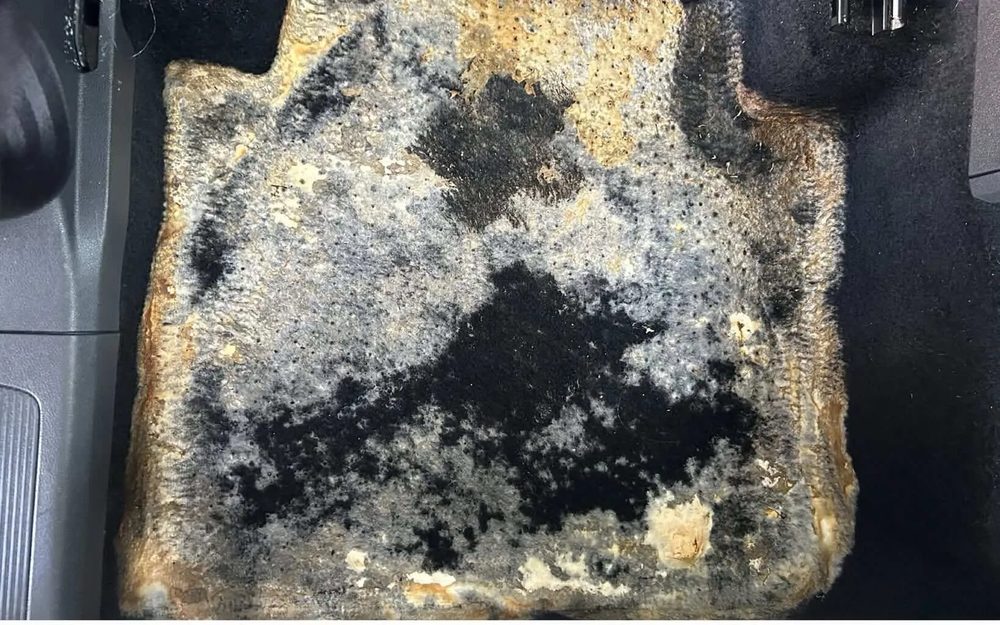
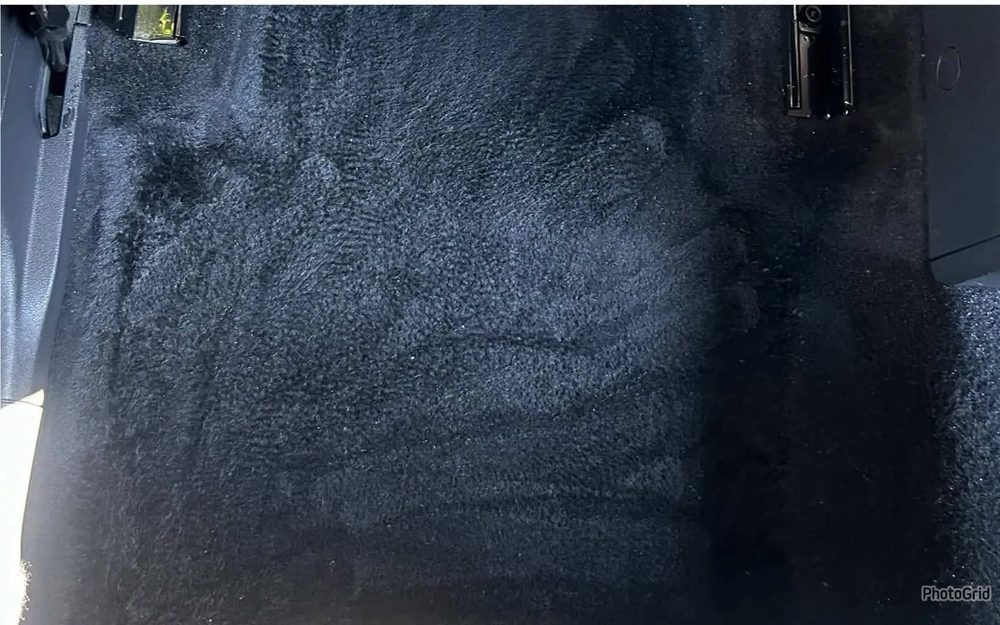
No stock photos. These are real DShine mold removal jobs across South Florida, the same 11-step process and chemistry used on every Palm Beach appointment.
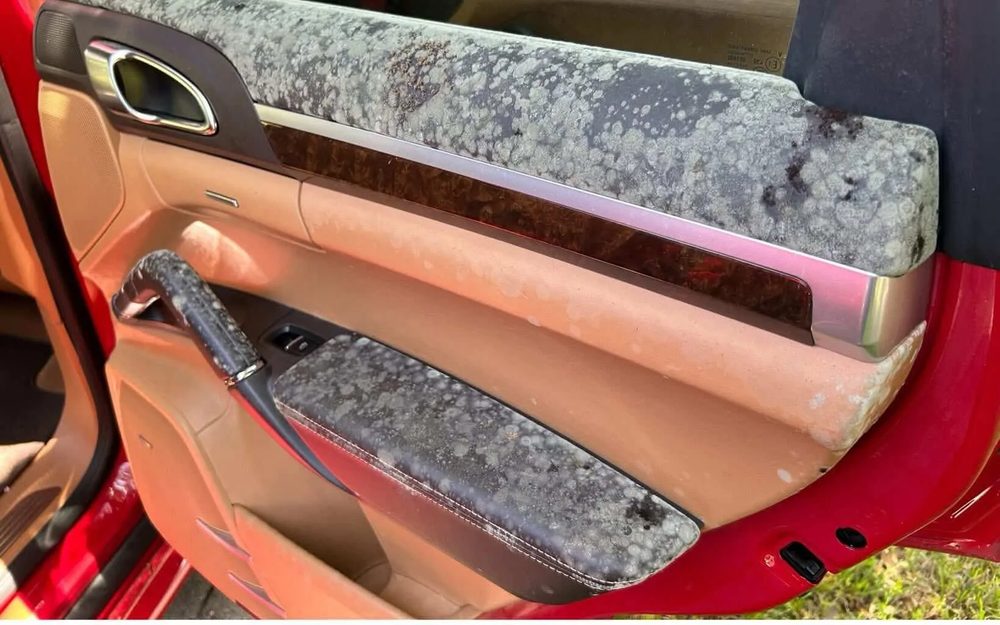 Before
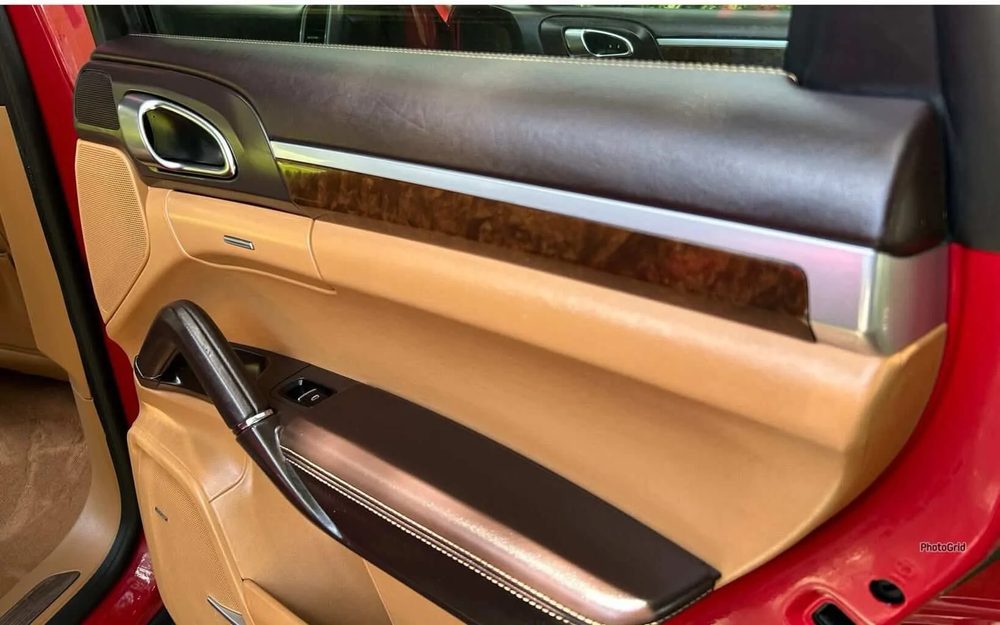 After
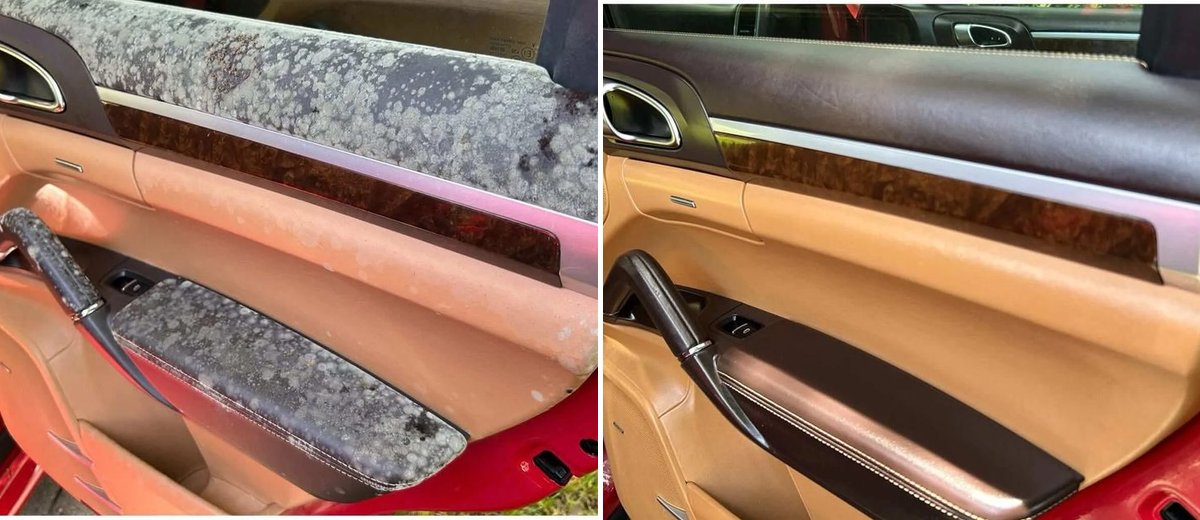
Porsche Cayenne — Door Panel & Armrest
A seasonal Palm Beach owner left a window cracked before a storm rolled through. Rain got in, and a few days later mold had spread across the door panel and armrest leather. Steam extraction plus a leather-safe antimicrobial treatment restored it without touching the finish.
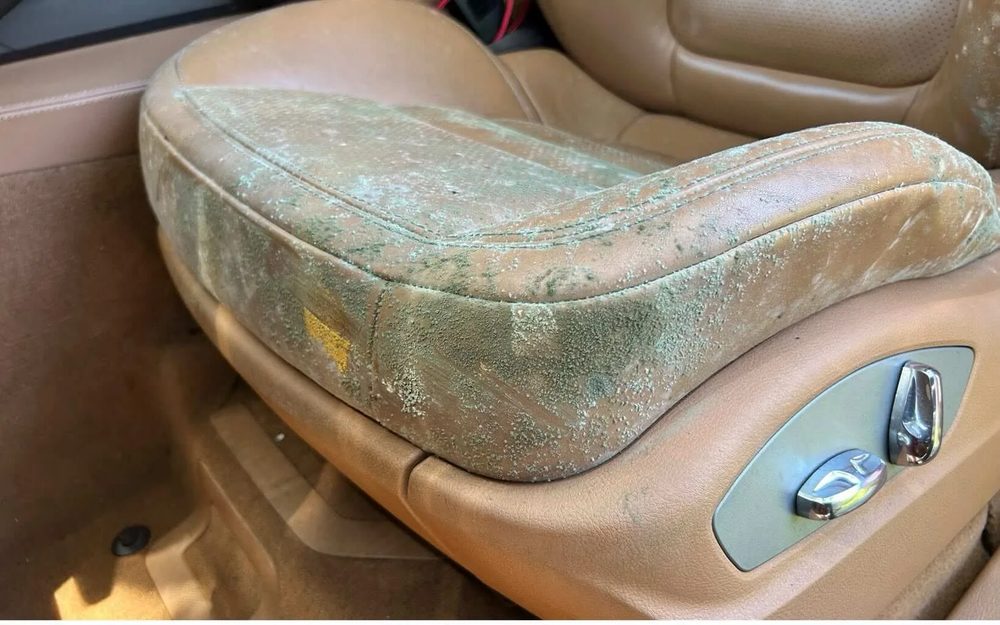 Before
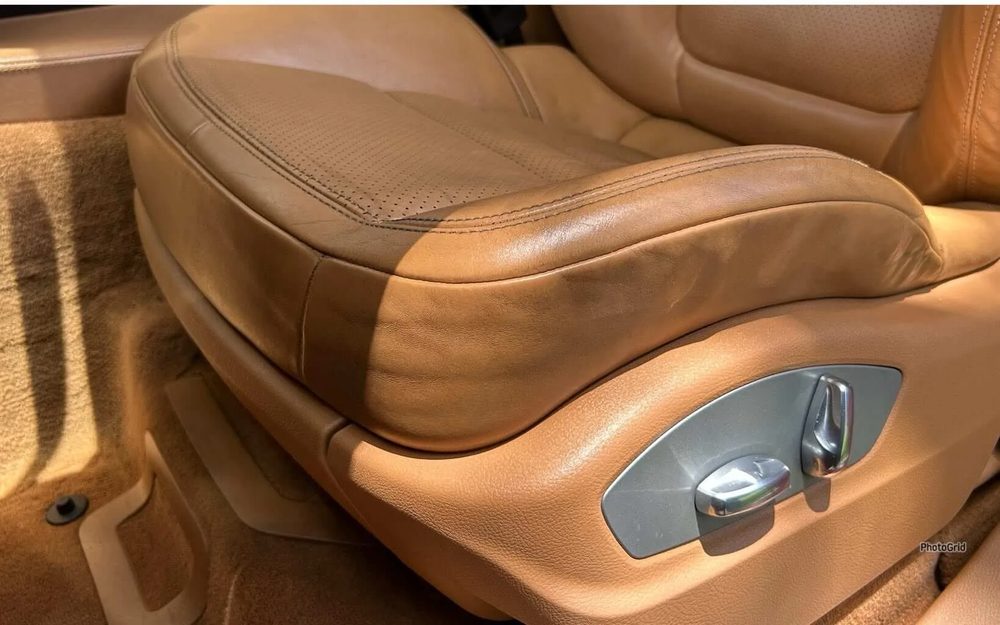 After
Leather Seat — Green Mold
Parked and closed up in a garage for an extended stretch, this seat developed green mold, less common than black but just as active. A leather-safe antimicrobial application killed the colony without drying or cracking the leather underneath.
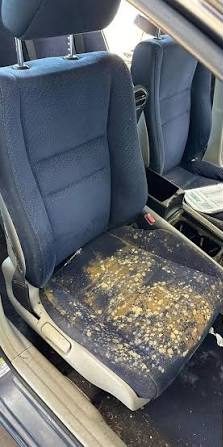 Before
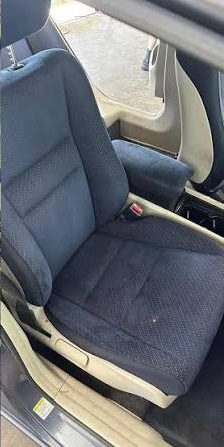 After
Front Seat — Dried Residue Buildup
Closed up in a garage for an extended stretch in the Florida heat, this seat had residue and early mold buildup baked into the fabric. Steam and the right chemistry lifted it completely.
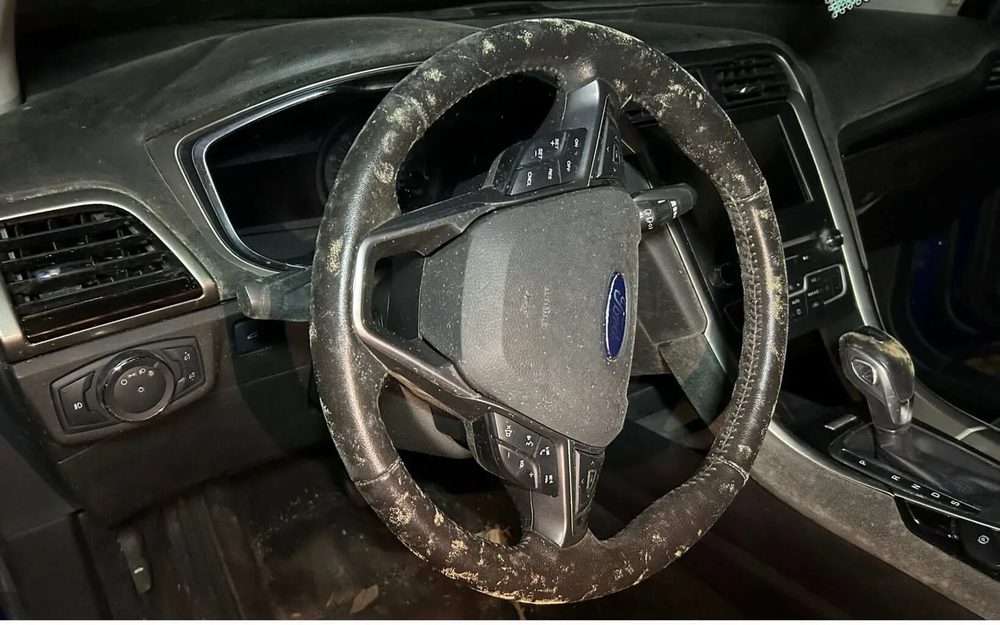 Before
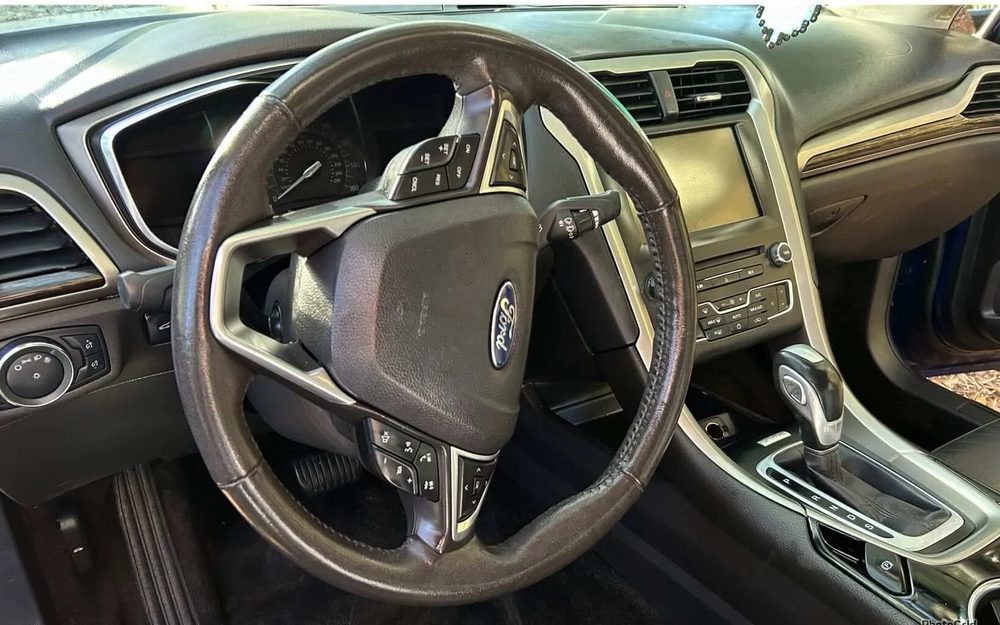 After
Estate Garage — Classic Collector Car
Driven only a handful of times a year and kept under a cover in an unconditioned carriage house, this collector car had picked up surface mold on the seats and door panels without anyone noticing between drives. A gentle, leather-safe treatment cleared it without touching the finish, exactly the careful approach a car like this needs.
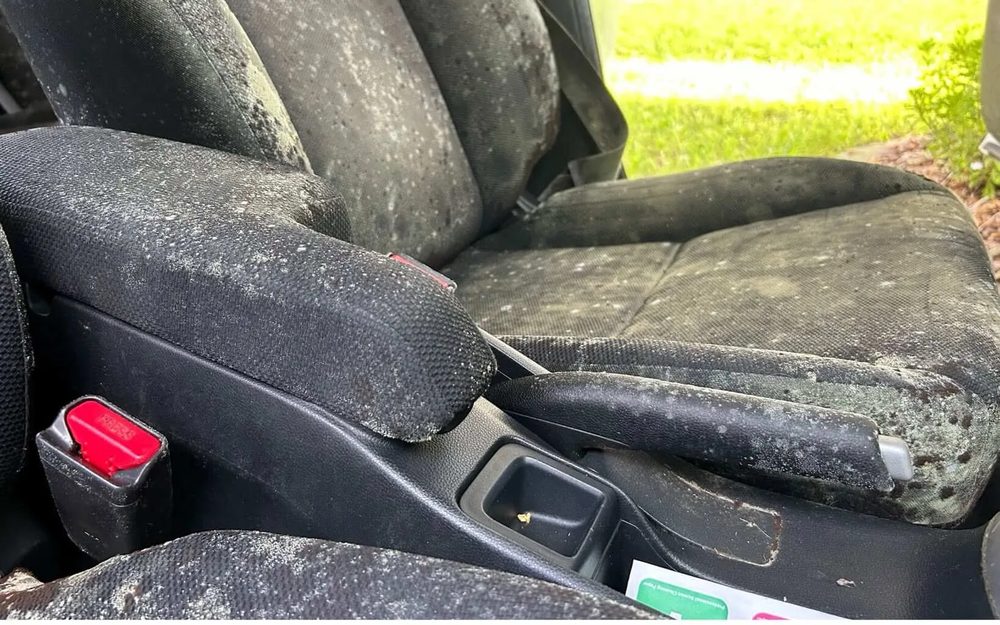 Before
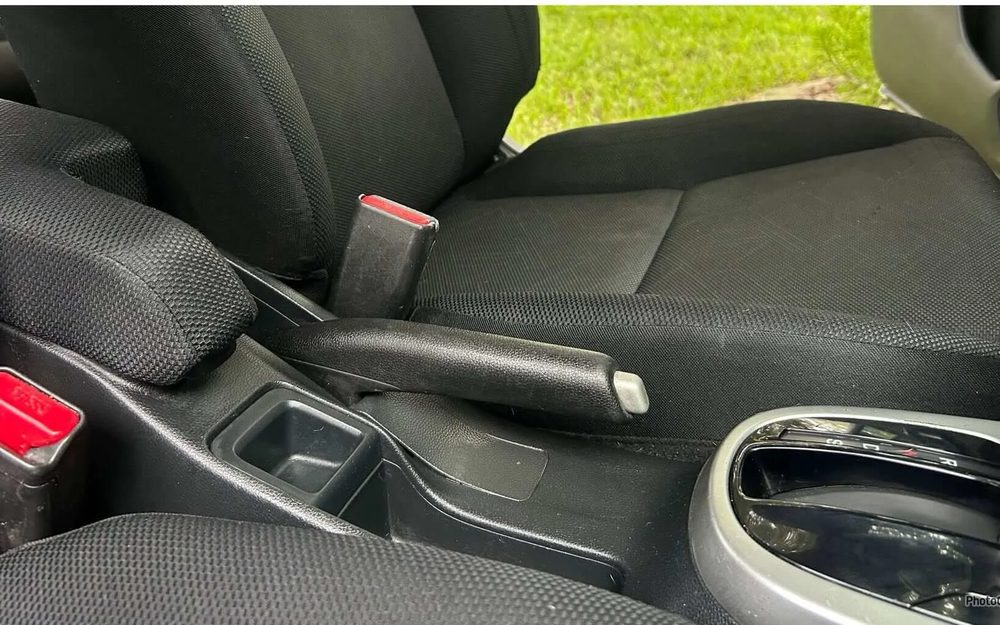 After
Worth Avenue Area — Golf Cart Storage
Stored in an open-air carport near Worth Avenue over a rainy stretch, the cushions on this low-speed vehicle developed mold faster than a fully enclosed car would have, open air helps with circulation but offers no protection from wind-driven rain. Steam extraction and antimicrobial treatment brought the cushions back completely.
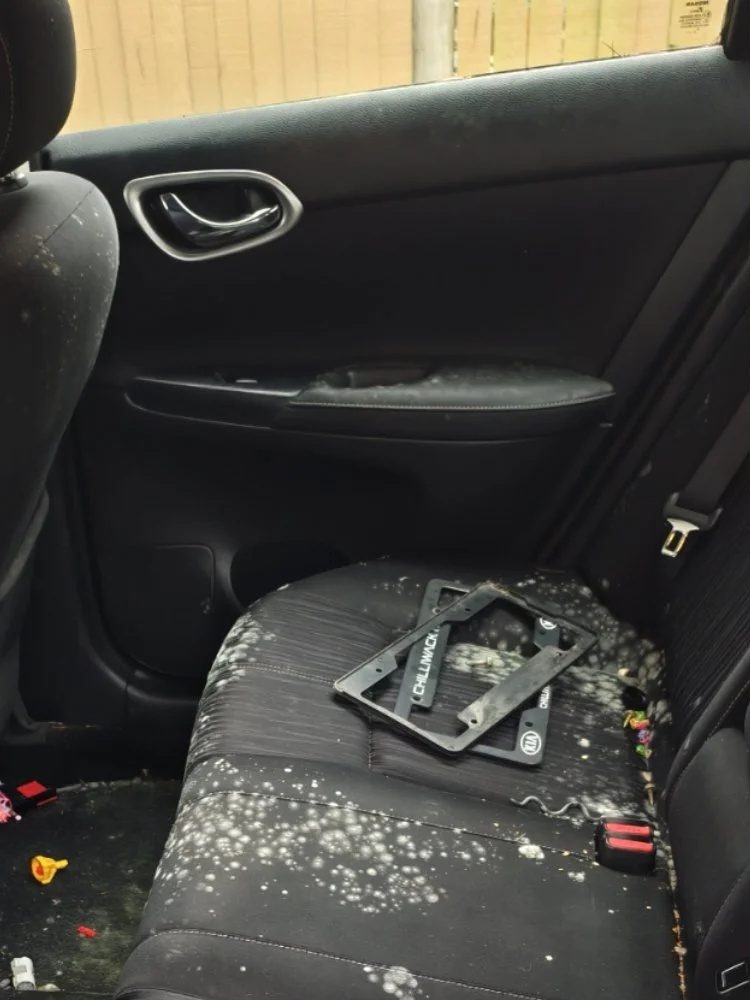 Before
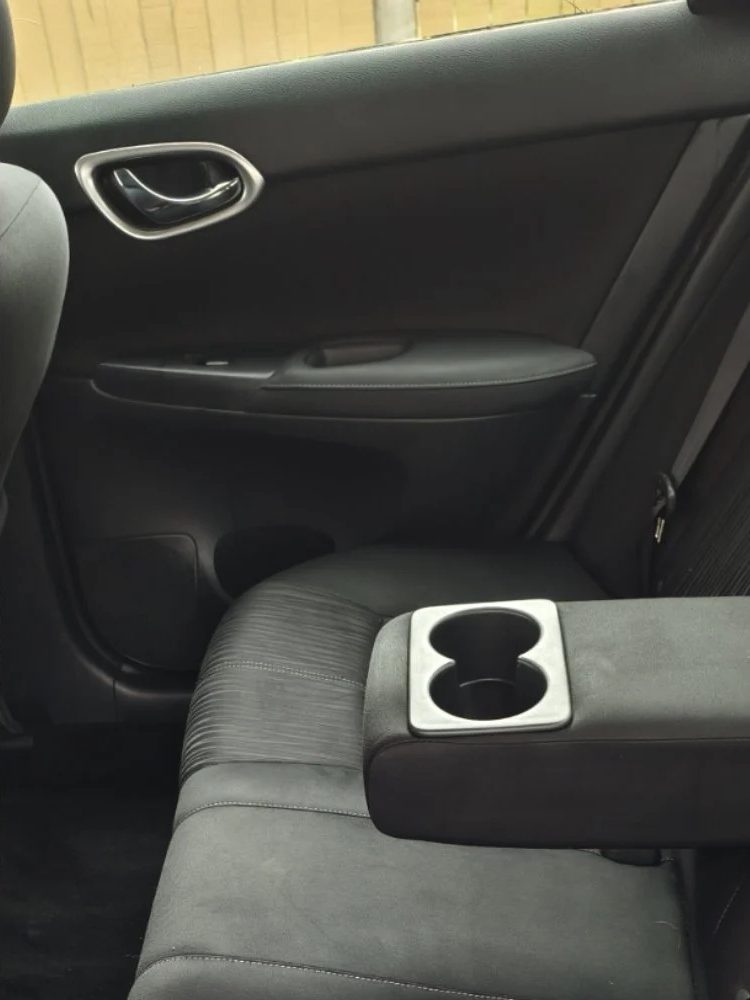 After
North End Estate — Oceanfront Garage
A second vehicle in an oceanfront North End garage, left through most of the summer while the family was away. Double salt-air exposure from the Atlantic side had already worked on the door seals, and moisture had made its way into the door panels and carpet. Full extraction and Concrobium treatment resolved it before the family's return.
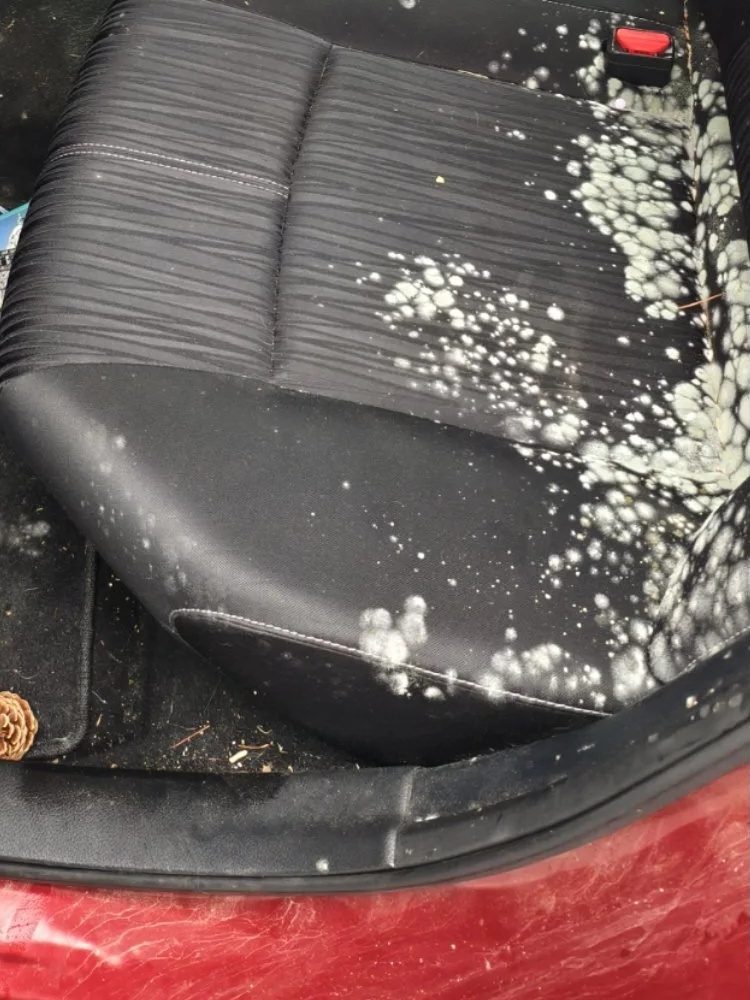 Before
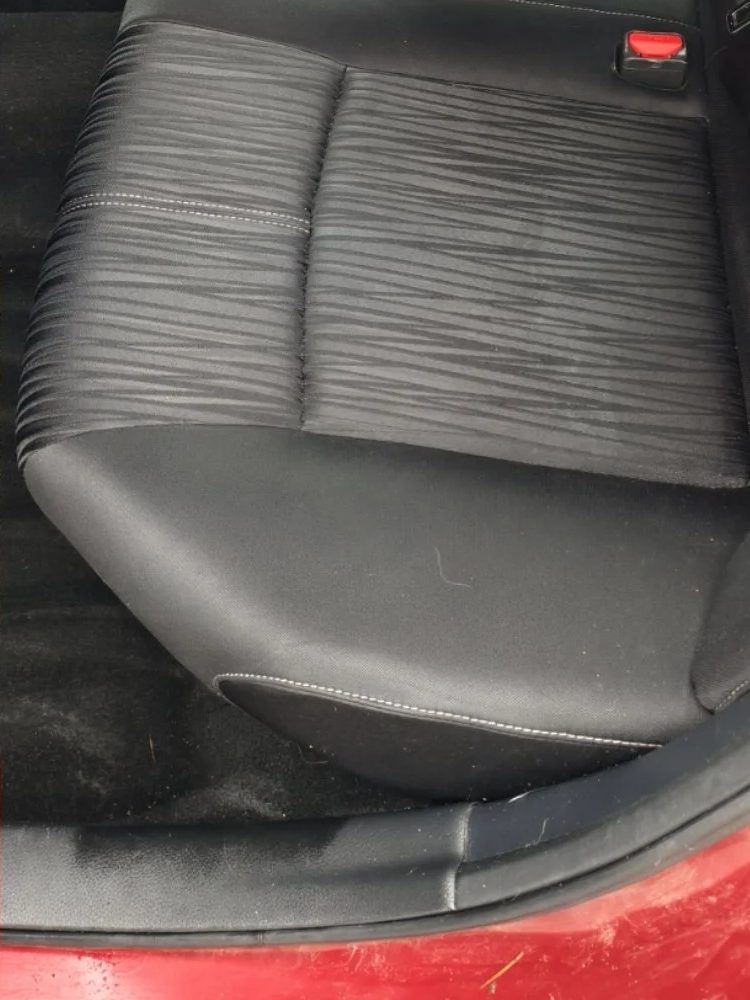 After
South End — Hurricane Season Closure
Shutters went up before a storm passed through, and this SUV sat sealed in the garage for weeks afterward while the owners stayed north longer than planned. The rear cargo area had the most humidity exposure and the earliest mold growth. Full-vehicle treatment cleared it before Season started back up.
 Before
 After
Flagler Museum Area — Historic Estate Garage
One of the island's older estate garages, built long before modern humidity control, this property's second vehicle developed mold on the floor mats and lower carpet over a quiet summer. Full extraction and Concrobium Mold Control brought it back before the family's return for Season.
BeforeAfterMid-Island — Multi-Car Household Garage
The third car in a four-vehicle Mid-Island garage, this one sat untouched the longest and developed mold on the leather seats first. Leather-safe antimicrobial treatment restored it without drying or cracking the finish, the same careful approach we use on every estate vehicle.
BeforeAfterRoyal Palm Way — Office Fleet Vehicle
A professional office's fleet vehicle, parked in a covered lot along Royal Palm Way, took on humidity through a slow AC drain clog that went unnoticed for weeks between drivers. Steam extraction and Concrobium treatment on the door panel and carpet resolved it fully.
BeforeAfterGuest House Garage — Convertible
Kept in a detached guest house garage used only when family visits, this convertible sat untouched between visits for most of the off-season. Surface mold had started on the seat bolsters by the time the next guest arrived. Steam extraction and a leather-safe application cleared it before anyone noticed.
BeforeAfterNew Construction Estate — Sealed-Tight Garage
Modern, well-sealed garages aren't automatically safe, this newly built estate's garage was sealed so tightly for the summer that humidity had nowhere to go. Mold started on the rear door panel of the household's second car despite the garage being only a year old.
BeforeAfterPool House Garage — Golf SUV
Parked in a pool house garage that doubles as equipment storage, this SUV picked up ambient moisture from nearby pool chemicals and humidity together, a combination we see occasionally on properties with a pool house layout. Full extraction and Concrobium treatment resolved it fully.
100% Satisfaction.
Written. No exceptions.
If the result doesn’t meet our standard, or yours, we come back and redo it at no charge. No forms to fill out, no arguing over what “counts.” The guarantee is in writing before we ever touch your vehicle.
Request Your Mold Removal · From $549
Fill this in once and send it. We get your address, vehicle, and the situation all in one message, no phone tag.
Rating
Detailed
Response
Three steps.
We handle everything else.
No drop-off. No waiting. We come to Palm Beach.
We come to you.
South Florida, covered.
Mobile service: home, office, condo, or marina. No drop-off, no travel fee.
Not seeing your city? Ask us — we likely cover it.
Palm Beach's environment
is harder on your vehicle.
On a barrier island with water on both sides, humidity doesn't take a season off, and a car left sitting for even a few weeks is already at risk. Left untreated, what starts as a musty smell becomes a real health issue for the next person who drives the car. DShine's Concrobium Mold Control and ozone process address the cause, not just the symptom, backed by $2M insurance and a written guarantee. Mold doesn't need much to get started, any trapped moisture inside a closed cabin is enough given South Florida's humidity. The source is almost always one of four things: a clogged AC condensation drain letting water pool silently on the floor pan, a failed door or window seal letting rain in, a clogged sunroof drain, or the car simply sitting unused for two or more weeks without the AC running. On the island, that last one is by far the most common, a vehicle closed up in a garage for the season is exactly the stagnant, humid environment mold needs.
Neighborhoods we serve
in Palm Beach
From the Worth Avenue shopping district and The Breakers to the estate corridors of North End, South End, and Everglades Island, plus Royal Palm Way and the Flagler Museum area.
Worth Avenue area — the island's retail and club corridor; we see a mix of daily-driver vehicles and the occasional golf cart stored in an open-air carport nearby. Foot traffic is heavy here during Season, so most of our appointments happen early morning before the shops open, and off-season we'll often coordinate directly with a nearby business rather than a private homeowner.
Flagler Museum area — among the oldest sections of the island; several estate garages here predate modern humidity control entirely. We treat more collector and vintage vehicles in this pocket than anywhere else on the island, which means extra care with leather-safe products on every job.
The Breakers area — a mix of estate and hotel-adjacent parking; club and hotel valet structures are common here alongside private garages. Valet turnover means cars get moved and briefly aired more often than a sealed private garage, which helps, though the structures themselves are rarely climate-controlled.
North End estates — the widest concentration of true oceanfront garages we service, with the heaviest salt-air seal wear on the island. We inspect door and window seals proactively on every North End job, since a seal that's failing here rarely announces itself before the first storm finds it.
South End estates — closer to the club properties; more valet and covered-breezeway parking than the North End's private garages. Breezeways here catch wind-driven rain further than most owners expect, so we check further back under the roofline than a quick glance would suggest is necessary.
Mid-Island — the most residential stretch, mostly private estate garages of varying age and vintage. Garage age varies block to block more here than anywhere else on the island, so we never assume a Mid-Island property has modern climate control just because the house itself has been renovated.
Royal Palm Way — a mix of estate and professional-office parking; we treat both personal vehicles and the occasional office fleet car here. Office building garages tend to have better ventilation than older residential structures, so the cases we see here skew more toward spills and storm intrusion than long-term storage.
Don't see your area? Ask us — we likely cover it.
Everything you need to know
about mold removal in Palm Beach.
Tap any topic to read the full breakdown.
A three-mile-wide barrier island with open water on both sides doesn't get a break from humidity, and the risk calendar here runs almost opposite to the social calendar.
Palm Beach's risk calendar is almost a mirror image of Miami's. During Season, November through April, the island is at its fullest, homes are occupied, cars are driven regularly, and mold rarely gets a foothold. The real exposure window is May through October, exactly when many owners head north for the summer and hurricane season peaks at the same time. A house closed up for the season with the garage sealed tight is precisely the stagnant, humid environment mold needs, and nobody is around to notice a smell developing for months.
Being flanked by both the Atlantic Ocean and the Intracoastal Waterway means Palm Beach gets salt air exposure from two directions instead of one, which degrades door and window seals faster than almost anywhere else in South Florida. Many of the island's older estate garages and carriage houses, built well before modern humidity control was standard, have no active dehumidification at all. Once a seal starts to fail on one of these vehicles, salt-laden humid air has a direct path into the cabin for the entire off-season.
Palm Beach has one of the highest concentrations of multi-car estate garages in the state, four, six, even eight vehicles under one roof isn't unusual. On a property like that, it's almost always the third or fourth car, the one that isn't part of the daily rotation, that ends up on our schedule. Classic and collector vehicles are a recurring category here too, cars that are driven a handful of times a year and otherwise sit under a cover, exactly the profile that lets moisture accumulate unnoticed.
We also treat a fair number of golf carts and low-speed vehicles, common around Worth Avenue and the club properties on the South End, these sit in open-air carports more often than sealed garages, which helps with airflow but leaves them exposed to every storm. And on estates with full-time staff, it's frequently a household or grounds vehicle, driven occasionally by whoever is on duty, that goes the longest without anyone checking on it.
The single most common pattern, though, is simple: an owner's primary vehicle, left in the garage when the family heads north in the spring, sitting untouched until Season starts again in the fall. Six months is a long time for South Florida humidity to work uninterrupted.
Modern estate garage: generally the lowest risk, newer construction on the island tends to include better sealing and sometimes climate control, but a modern garage that's kept completely sealed for months can still trap humidity effectively.
Older carriage house or guest garage: a distinctly Palm Beach category, many of the island's pre-1980 estates have a detached carriage house with no climate control at all. This is consistently where we find the most severe cases, especially for the vehicle parked furthest from the door.
Oceanfront or Intracoastal-front garage: double the salt air exposure of an inland property. Seals fail faster here than anywhere else on the island, and once a seal goes, humid air has a constant path into the cabin.
Covered breezeway or porte-cochere parking: open on the sides, which helps circulation, but offers no real protection from a wind-driven summer storm, water can travel further under a breezeway roof than most owners expect.
Club or hotel valet parking: common around the South End's club properties. Cars get moved and briefly aired between shifts, which helps, but valet structures are frequently unconditioned just like everything else on the island.
November – April (Season): the island is at its fullest, homes are occupied, cars are driven, and mold risk is at its lowest all year. This is also the easiest window to catch a small problem early, before everyone leaves for the summer.
May (transition out): the highest volume of pre-departure calls we get all year. Owners closing up before heading north want the vehicle checked and any small issue resolved before it has six unsupervised months to grow.
June – October (off-season and hurricane season overlap): the highest-risk window of the year, by far. Houses are closed, humidity peaks, and hurricane season means storm shutters and sealed garages for weeks at a stretch. A vehicle left completely alone during this stretch is the single most common case we see.
Late October – early November (transition back): the pre-Season rush. If mold developed over the summer, this is when it's discovered, usually right before a big return-to-Season gathering, which is why we treat a lot of vehicles under time pressure in this window.
Most of our summer work on the island happens while the owner is somewhere else entirely, so we coordinate directly with whoever is minding the property, a property manager, a full-time caretaker, or a household staff member with keys. Tell us who to contact when you book and we'll work their schedule, not the other way around.
Several Palm Beach estates use a management company that checks the property periodically over the summer, if that's your setup, we're glad to do a quick inspection during one of those visits rather than scheduling a separate trip. Before and after photos go to you directly by WhatsApp, wherever you are.
A note for property managers overseeing several Palm Beach homes: if you're finding mold in vehicles across more than one property on your list, it's worth checking whether garages across those homes share a common design or vintage, older, unconditioned carriage houses tend to be the repeat offenders.
1. The vehicle closed up for the off-season. By far the most common Palm Beach cause: a car left in the garage from May through October while the owners are up north, with nobody running the AC or checking on it for months.
2. Salt air degrading a door or window seal. With water on both sides of the island, seals wear faster here than almost anywhere else in South Florida. Once one fails, every storm adds a little more moisture that never fully dries.
3. An unconditioned carriage house or garage. Many pre-1980 estate garages have no climate control at all. A car parked in one of these year-round is at higher baseline risk than a modern conditioned garage even during Season.
4. A clogged AC condensation drain. Same mechanism as anywhere else: the drain clogs, water pools on the floor pan, and it can sit for weeks before anyone notices, especially on a vehicle that isn't driven daily.
5. Storm intrusion during hurricane season. A window or sunroof left cracked, or shutters closing up a garage right as a storm passes through, both leave moisture with nowhere to go until someone opens the garage again.
Most Palm Beach appointments start with a text or WhatsApp photo so we can confirm a price range before we arrive. If you're away for the season, we coordinate directly with your property manager, caretaker, or household staff for gate and garage access, and we'll bring any documentation your security detail requires.
The inspection itself runs about 10 minutes once we're in front of the car: headliner, seats, carpet, door panels, trunk, HVAC vents, all checked before we quote a final number. Treatment days on the island tend to run 3 to 4 hours between steam extraction, the Concrobium application, and the sealed ozone cycle at the end, sometimes longer on an estate vehicle that's sat for the full off-season.
Plenty of our Palm Beach clients are nowhere near the island when the work happens. Before-and-after photos land in your WhatsApp the same day regardless, whether you're up north for the summer or just at the office. When a caretaker or property manager handles access on your behalf, they get looped into that same update thread.
North End and South End callers most often want to know whether we can work discreetly on a private estate without disrupting the household. We can, our vans aren't branded loudly, and we're used to coordinating quietly with staff or a caretaker rather than announcing ourselves at the front gate.
Owners closing up for the season ask, understandably, whether it's worth treating a vehicle preventively before they leave rather than waiting until they return to a problem. Our honest answer: if the vehicle already has a known seal issue or has sat unused before, a pre-departure check is cheap insurance against six months of unsupervised humidity.
And from the collector-car crowd on Mid-Island and around Royal Palm Way, the recurring question is whether our chemistry is safe on vintage leather and original upholstery. It is, we use leather-safe antimicrobial products specifically because so much of what we treat on the island is exactly that kind of vehicle.
Paint Correction is the pairing we see most on the island, an estate vehicle that's been sitting often has both a mold issue inside and swirl marks or oxidation outside from salt air, and owners tend to want both addressed in the same visit rather than scheduling twice.
Ceramic Coating gets added often too, particularly on oceanfront properties, protecting the paint against the same double salt-air exposure that's already working on door seals is a natural next step once we're already on site. Engine Bay Cleaning is a quieter but regular add-on on collector cars that have sat for a while, since a vehicle that hasn't moved is usually due for more than just an interior refresh.
A caretaker checking on a closed-up estate vehicle doesn't need to open every door to look for trouble. Fogged interior glass on a car that hasn't moved, a faint give or dampness underfoot in the carpet, or a musty note from the vents the first few seconds the AC runs are all worth flagging before the smell becomes unmistakable.
On older carriage houses especially, check the trunk and the lowest door pockets first, these collect moisture from a failing seal well before it reaches the cabin, and they're the easiest spot to miss on a quick walk-through.
Before heading north for the summer, ask your caretaker to crack a garage window slightly if the space is fully enclosed, sealing a car up completely for six months in an unconditioned Palm Beach garage does more harm than a little airflow ever would. Running the AC for a few minutes right before departure also helps dry out the evaporator core.
A moisture absorber placed in the cabin before a long closure is inexpensive insurance against six unsupervised months of island humidity, and worth asking your property manager to check partway through the off-season rather than only at the start and end.
On a property with several vehicles, we'll often find that more than one car in the same garage needs attention, especially if the garage itself has a ventilation issue rather than the problem being specific to one vehicle. If that's the case, we'll say so plainly rather than treating one car and letting you discover the second issue later.
Every certificate of insurance we carry is current and available on request, most estate managers and security details ask for it before granting access, and we send it ahead of the appointment as a matter of routine rather than waiting to be asked. Same-day service is available for most single-area cases booked before early afternoon, full-vehicle and multi-car jobs sometimes need a morning start given the extra time involved.
If mold or mold odor returns within 30 days, we come back and re-treat at no charge, no exceptions. On the island, the usual reason this happens is a moisture source that was never addressed, a carriage house seal that still leaks, an AC drain still clogged, or the vehicle going right back into a closed-up garage for the rest of the off-season.
If we spot a likely source during the visit, a failing seal, a clogged drain, we'll tell your caretaker or property manager plainly so it can get fixed before the treatment undoes itself. Better to flag it once than to be called back to the same North End or Mid-Island garage in a month with the same problem.
A daily driver gets our standard steam extraction and Concrobium process without much second-guessing, it's built to handle daily wear already. A vintage or collector vehicle gets a slower, more deliberate pass: lower steam temperatures near original upholstery, spot-testing any antimicrobial product on an inconspicuous area first, and a longer visual inspection before we touch anything, original finishes on a 1960s dashboard don't forgive the same shortcuts a modern plastic one would.
We'll also talk you through options rather than defaulting to the most aggressive treatment available. If a lighter antimicrobial pass gets a collector car's mold under control without full ozone exposure to sensitive materials, we'll say so, even if the more thorough option is technically available. On a car like this, getting it right matters more than getting it done fast.
Before shutters go up and the house closes for the season, walk the garage once and check every window and door seal on vehicles staying behind, a small crack that's fine during Season becomes a real problem over six unsupervised months. If a seal looks questionable, have it addressed before you leave rather than after you return to a smell.
Confirm your caretaker or property manager has our number and knows to call at the first sign of anything unusual, not just a full-blown odor. And if last year's hurricane season brought any water near the garage, even if the car itself seemed fine, this is the year to have it checked preventively before closing up again.
A small, localized case left untreated for the rest of an off-season closure almost never stays small, six months is a long time for mold to spread through carpet and foam undisturbed, and a $549 job discovered in June is often a $749 job by the time October rolls around.
On a high-value or collector vehicle specifically, there's a resale and originality concern too, mold that's allowed to reach original upholstery or trim can leave damage that professional treatment can control but not always fully reverse. Catching it early protects the vehicle's condition, not just the smell.
And for a vehicle that gets driven occasionally by household staff or family visiting the island, ongoing exposure to airborne spores in a recirculating cabin is worse the longer it's ignored. None of this calls for panic over a small spot noticed early, it simply means the math rarely favors waiting until Season to deal with it.
Large estates often keep a dedicated vehicle for household staff, groundskeepers, or a driver, and these tend to be some of the most-used but least-monitored cars on a property, driven daily but rarely inspected the way an owner's own vehicle is. We'll flag anything we notice on these visits even when we were called out for a different car entirely.
We also work with a number of estate management companies and vendors who maintain small vehicle fleets across multiple Palm Beach properties, landscaping crews, catering staff, security patrol vehicles. Billing across several properties or a single management account is something we handle routinely rather than treating as a special request.
A photo sent by a caretaker or property manager gets a preliminary range within minutes, most Palm Beach inquiries start this way well before a technician arrives on the property. The on-site inspection either confirms that range or adjusts it, and either way you get a firm number before any product touches the vehicle, never an estimate that shifts once the job is already underway.
If you're skimming: Palm Beach's risk calendar runs opposite the social calendar. Season, November through April, is when the island is fullest and mold risk is lowest. May through October, when many owners head north and hurricane season peaks, is when a closed-up estate garage becomes exactly the environment mold needs. Salt air from both the Atlantic and the Intracoastal accelerates seal failure faster here than almost anywhere else in South Florida.
A single affected section runs $549; a case spread across the cabin runs $749, travel included on either tier. Same-day service is available for most single-area jobs booked before early afternoon, and you never need to be on the island, before-and-after photos go out over WhatsApp the moment we're done, wherever you are.
We coordinate routinely with caretakers, property managers, and estate staff, and every van carries current liability insurance documentation for properties that require it. Collector and vintage vehicles get a slower, more deliberate treatment approach. From an everyday sedan to the fourth car in a multi-vehicle estate garage, every visit runs the same 11-step sequence: inspection, a firm number, treatment, and a 30-day written guarantee.
After steam extraction and the Concrobium application, we seal the vehicle and run a professional ozone generator inside the cabin, reaching airborne spores and HVAC ductwork that no surface treatment can touch. Nobody is inside the vehicle during this stage, and on an estate with staff on the property, we'll flag the garage as off-limits for the duration so nobody wanders in unexpectedly.
The vehicle needs to fully ventilate afterward before anyone gets back in, we open it up and let it air out completely, an unconditioned carriage house with limited airflow can add a little extra time to this step compared to an open, well-ventilated garage. We'll always confirm with you or your caretaker exactly when the vehicle is ready, not just when the ozone cycle itself has ended.
Common questions
answered.
Upgrade your service.
Still deciding? Read: the complete mold removal guide · does insurance cover it? · why DIY mold removal fails.
Ready to Book in Palm Beach?
Serving Palm Beach and all of Palm Beach County. Fixed pricing, no travel fee. We confirm in under 2 minutes.
It Might Just Be an Odor Problem
If there's no visible mold growth yet, the smell alone is usually an Odor Removal Detailing case ($349 flat) — faster than full mold remediation ($549–$749). See which one matches what you're dealing with: