What a Fort Lauderdale Mold Job Includes
This is not a car wash. Car Mold Removal uses Concrobium Mold Control treatment, pH-balanced products, and machine assistance, the same process used in pre-sale preparations for luxury dealerships.
Why it matters for your health: Mold in a vehicle is a different exposure than mold on a wall at home. With the AC recirculating, everyone inside is breathing concentrated spores for the length of the drive. The EPA and CDC both link mold exposure to respiratory irritation, allergic reactions, headaches, and worsened asthma symptoms. Children, older passengers, and anyone with a compromised immune system typically react faster and more severely than a healthy adult would. By the time the smell is noticeable, spores have usually already spread through the HVAC system into every vent in the cabin.
Curious what actually happens during the visit? Tap through our real 11-step process below to see what we do at each stage and why it matters.
What every Fort Lauderdale mold job gets you, canal or condo
Most detailers in Fort Lauderdale charge less. Here’s exactly what you gain — and what you risk — with each choice.
| DShine DetailsFrom $549 · travel included | Avg Fort Lauderdale Detailer$149 – $199 | |
|---|---|---|
| Industry certificationsIDA, Koch Chemie, Meguiar’s, 3M, Symplex, XPEL | ✓6 verified | —0 credentials |
| $2M liability insuranceWe cover any damage — in writing | ✓ | —Often uninsured |
| Deionized water systemZero mineral residue, no water spots | ✓ | —Tap water, water spots |
| Fresh microfibers per vehicleNo cross-contamination between jobs | ✓ | —Shared towels, swirl risk |
| Mold-specific chemistry onlyConcrobium, Benefect & Meguiar’s, no harsh acids | ✓ | —Industrial degreasers |
| Before & after photosSent via WhatsApp on completion | ✓ | —No documentation |
| 100% written satisfaction guaranteeReturn & redo at no cost if unsatisfied | ✓ | —No written guarantee |
| Travel to your address — $0Home, office, condo — no drop-off | ✓ | Sometimes adds fee |
DShine vs. any other detailer
in Fort Lauderdale, Broward County
Three things most detailers won't tell you. We put them in writing.
 Since 2018
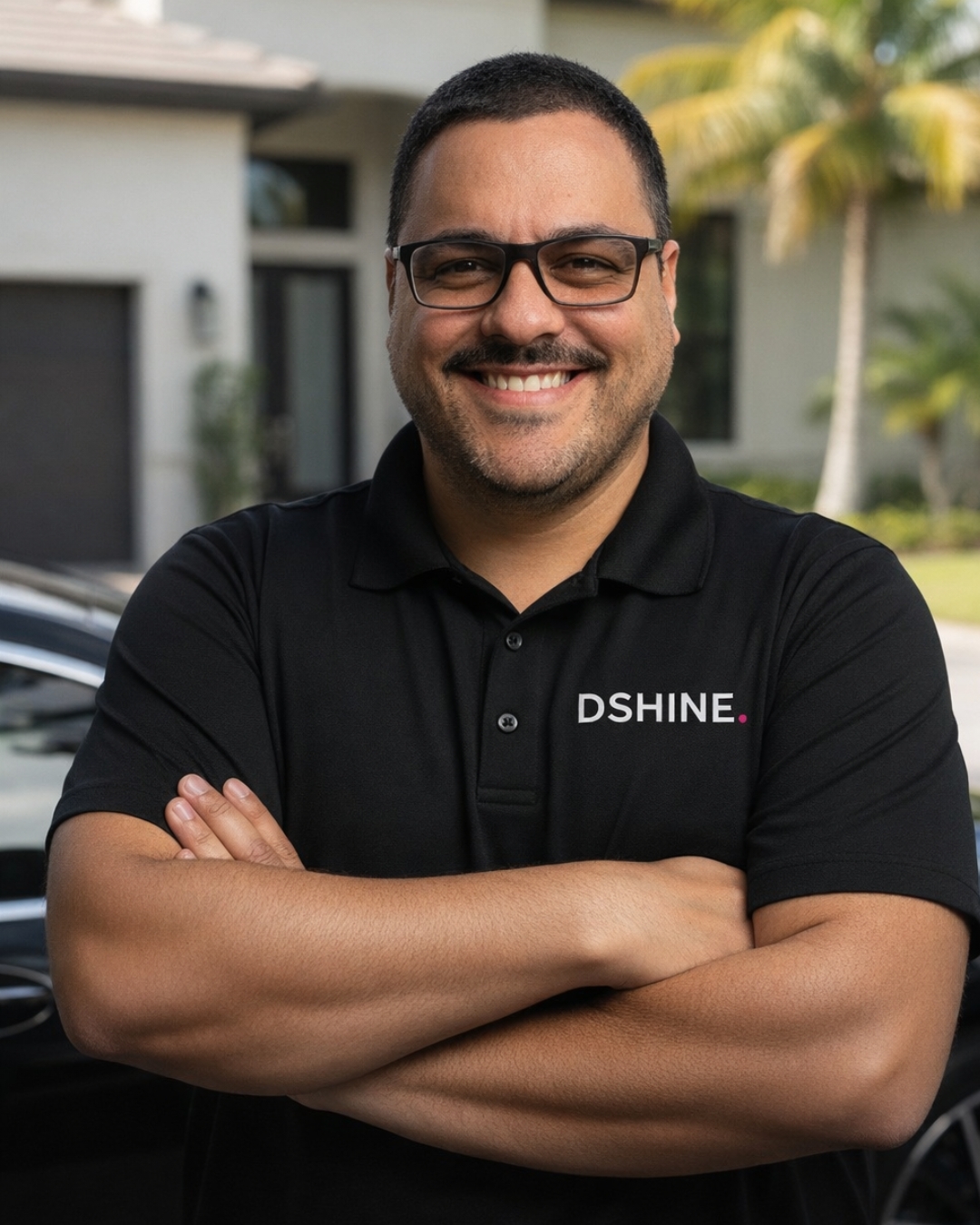
With more than 20 years of hands-on experience in the automotive care industry, Evelio launched DShine Details in August 2018 with one van and zero shortcuts. For the first six months he slept in the van to keep costs down and standards up. Today DShine runs 7 certified vans across Miami-Dade, Broward, and Palm Beach, and the commitment hasn't changed. Every vehicle is treated as if it were his own.
What clients say
in their own words.
Before & After: Mold Removal We've Actually Done
No stock photos. These are real DShine mold removal jobs across South Florida, the same 11-step process and chemistry used on every Fort Lauderdale appointment.
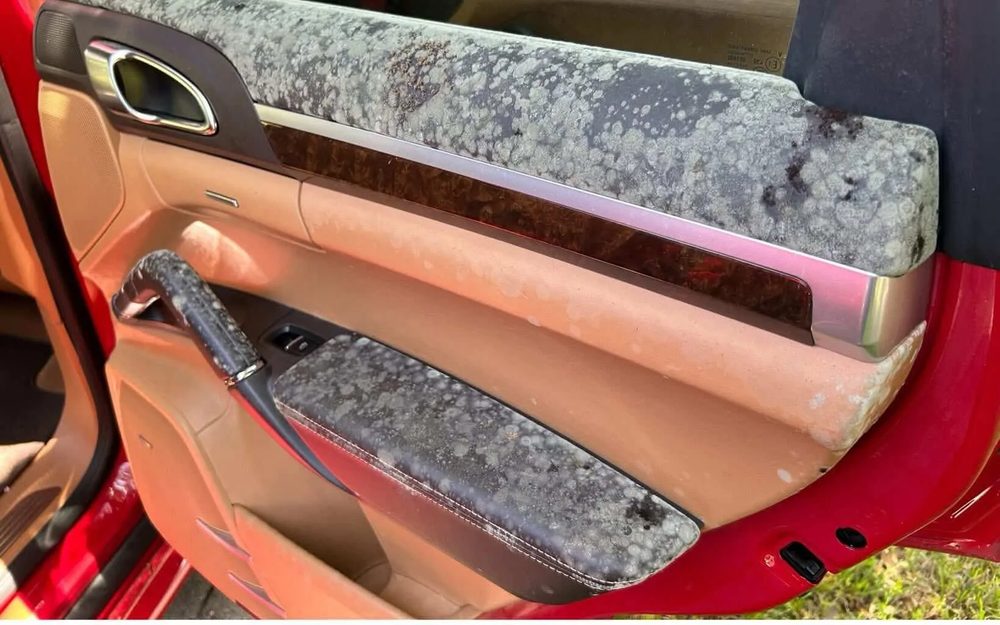 Before
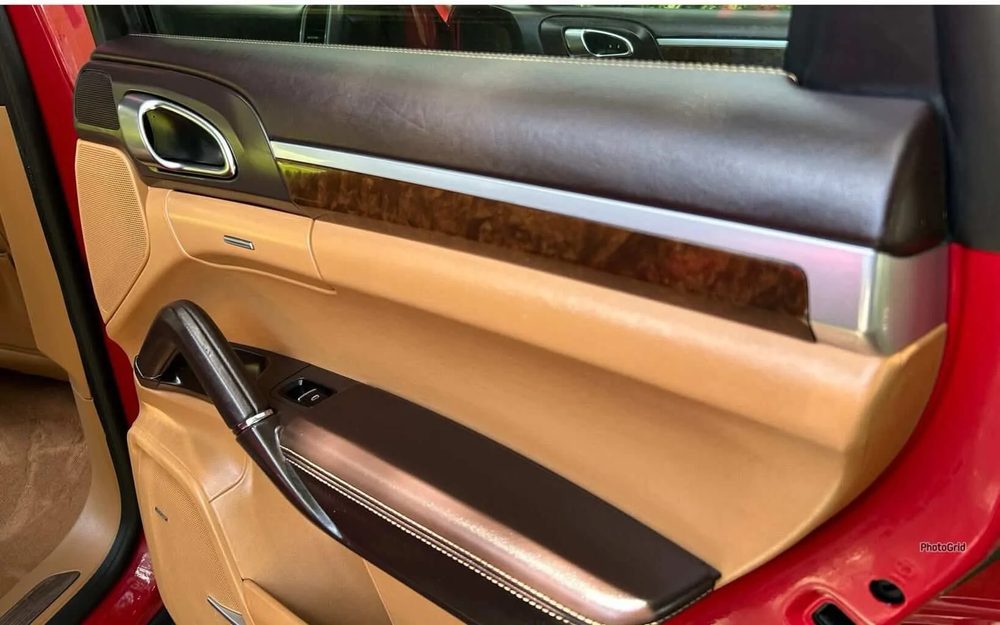 After
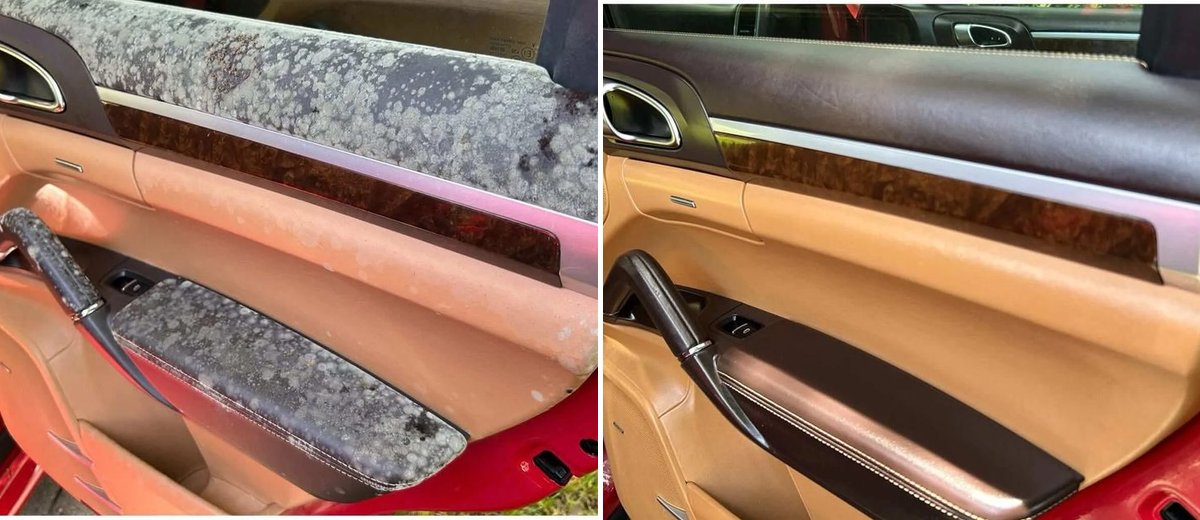
Porsche Cayenne — Door Panel & Armrest
Mold spread across the tan leather door panel and armrest of this red Porsche Cayenne, reaching up to the wood trim. Leather like this gets our leather-safe protocol, steam and extraction, then Concrobium Mold Control and an ozone cycle, so the growth is treated without scrubbing the finish. In Fort Lauderdale, a closed car in a damp garage or a rain-soaked wet season is a typical way this pattern starts.
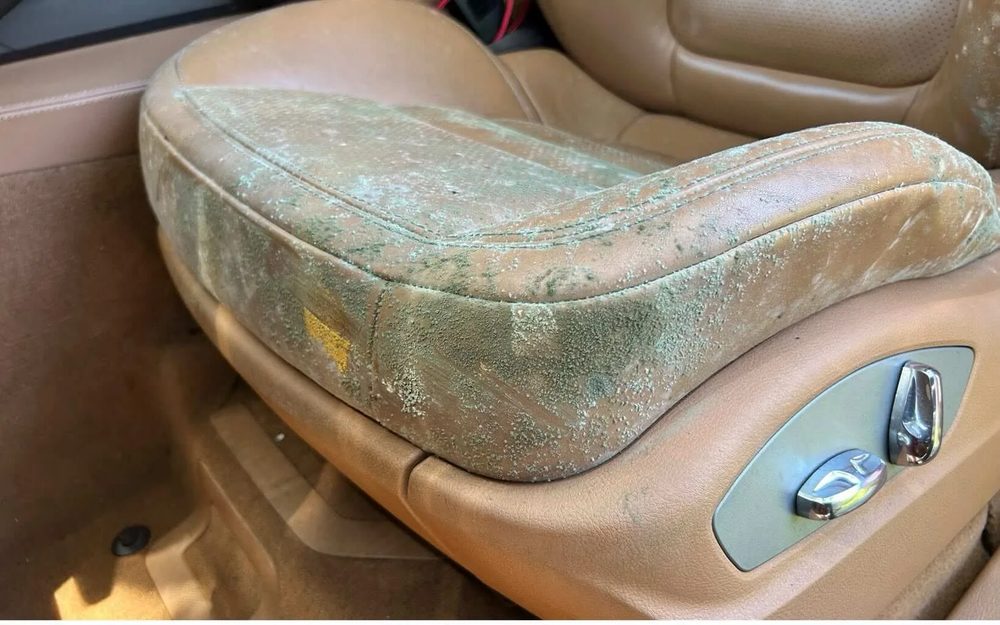 Before
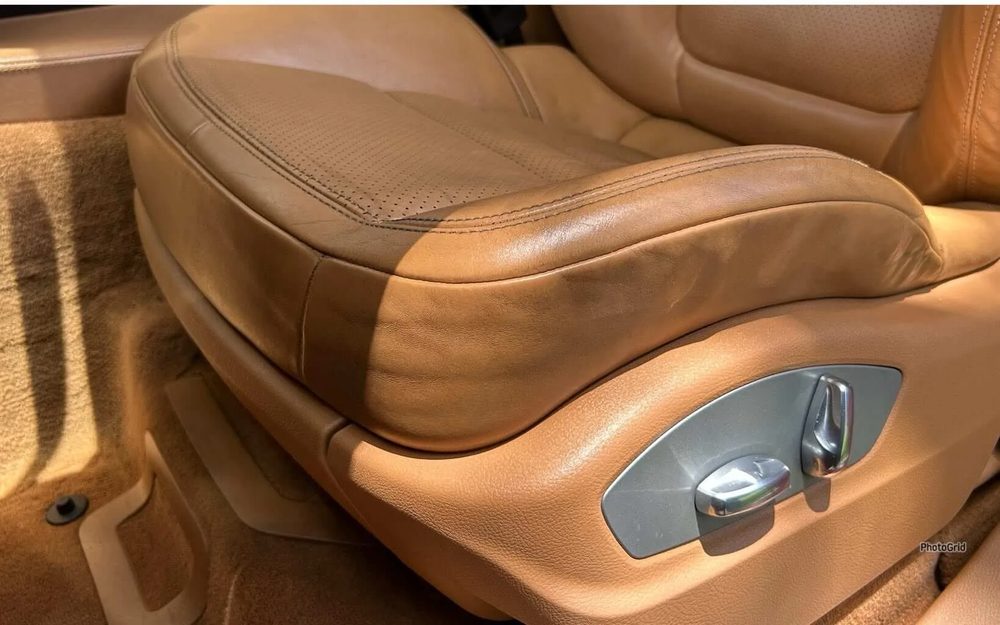 After
Tan Leather Seat — Green-Blue Mold
The bolster of this tan leather front seat is covered in green-blue mold, the kind that tends to take hold along seams and creases. Leather-safe treatment kills the colony without drying the leather underneath, then ozone handles the spores in the air. Near the canals and the Intracoastal, a seat that sits with damp air and no A/C running can reach this stage within a few weeks.
 Before
 After
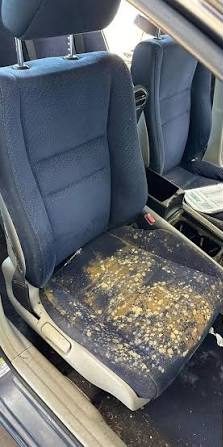
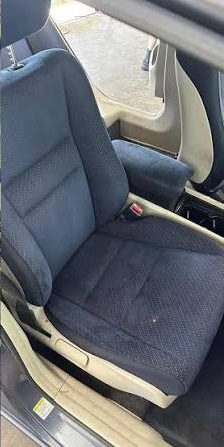
Cloth Bench Seat — Mold Stain Residue
With the cushion lifted on this dark blue cloth bench seat, tan and yellow stain residue shows on the seat bottom, the sign of moisture that sat in the fabric and foam. This kind of mold lives below the surface, so it needs steam and hot-water extraction, not just a wipe, followed by Concrobium and an ozone cycle. A wet floor mat or a leaking seal in a rainy stretch is a common pattern behind it in South Florida.
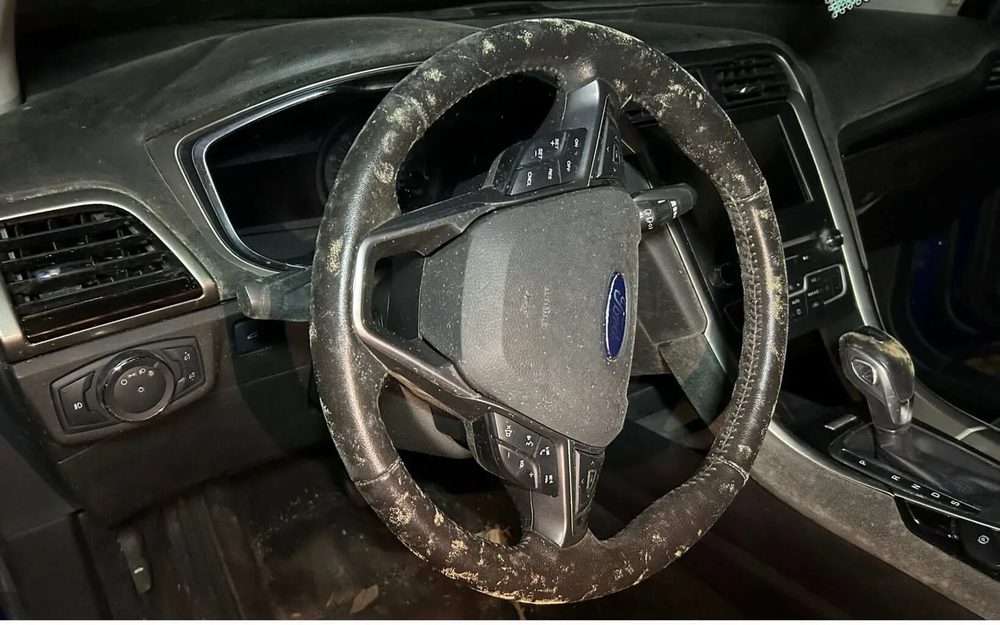 Before
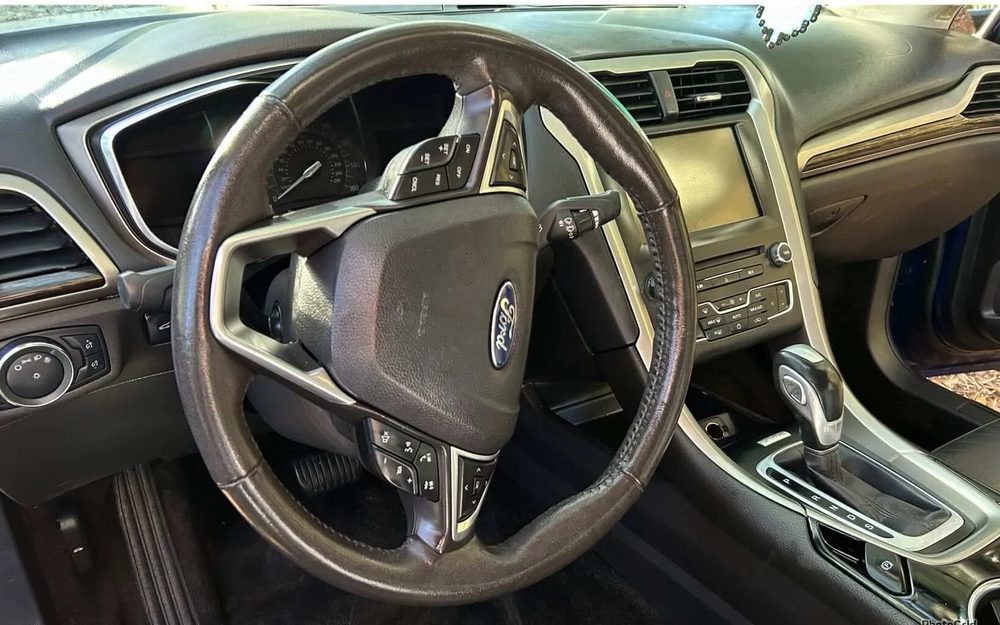 After
Ford Sedan — Steering Wheel, Dash & Vents
Grey-white mold bloom covers the steering wheel, dash and vents of this Ford sedan. Hard plastics and vent housings are cleaned with steam and treated with Concrobium, and the ozone cycle reaches the air passages behind the dash. A car that sat sealed through a humid stretch, or kept its A/C evaporator damp, often shows this first on the surfaces people touch.
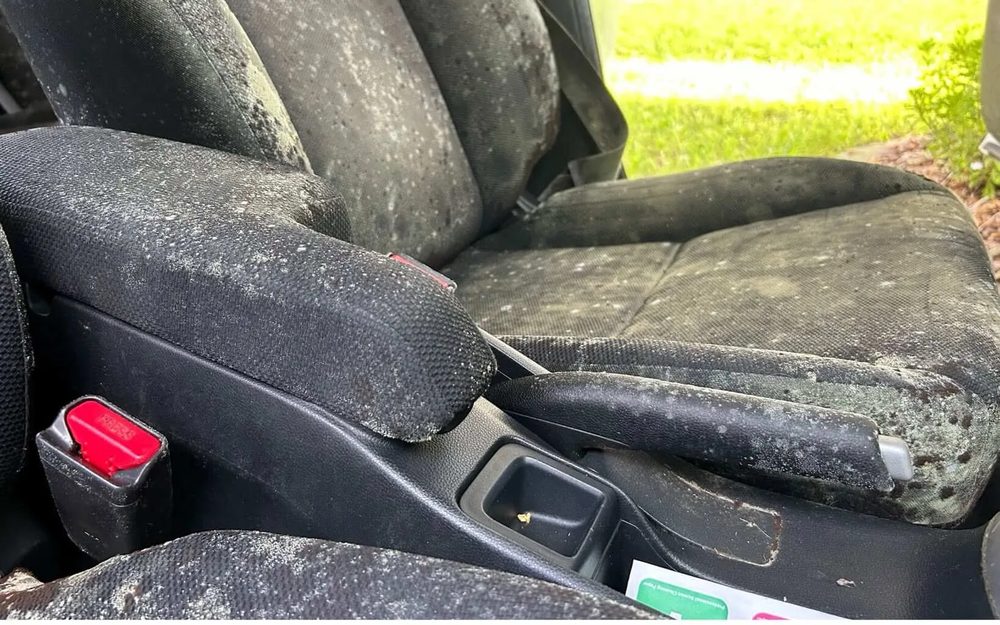 Before
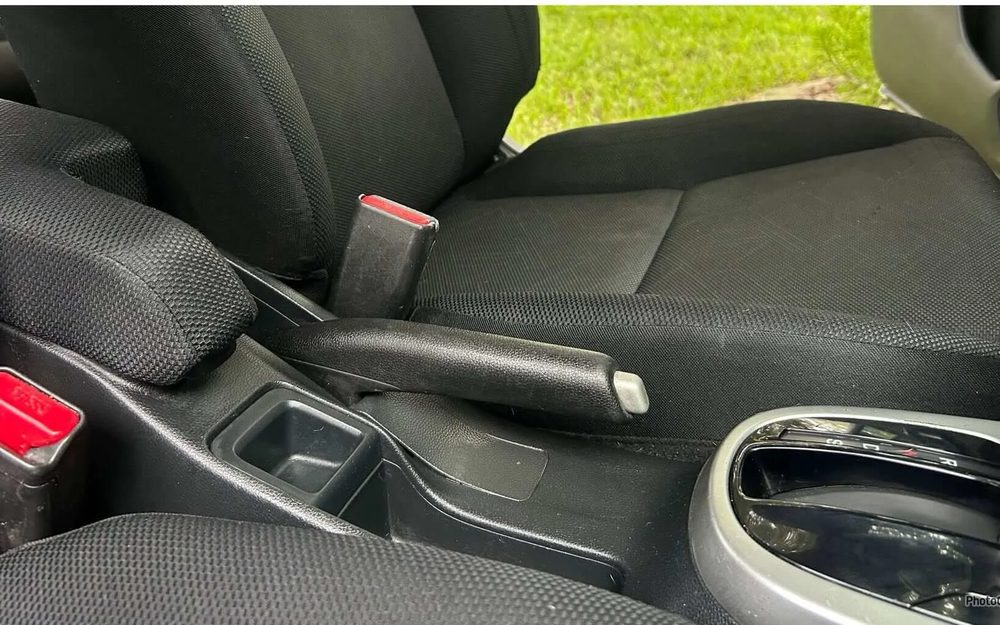 After
Black Cloth Seat & Console — Grey-White Bloom
A black cloth driver seat and the armrest and console show a grey-white mold bloom, with a green lawn visible through the window. Dark fabric hides early growth until it turns powdery, so seams and the console get steamed and extracted, then treated with Concrobium and ozone. In Fort Lauderdale, a car parked beside a canal or a damp lawn through the wet season is a typical setup.
 Before
 After
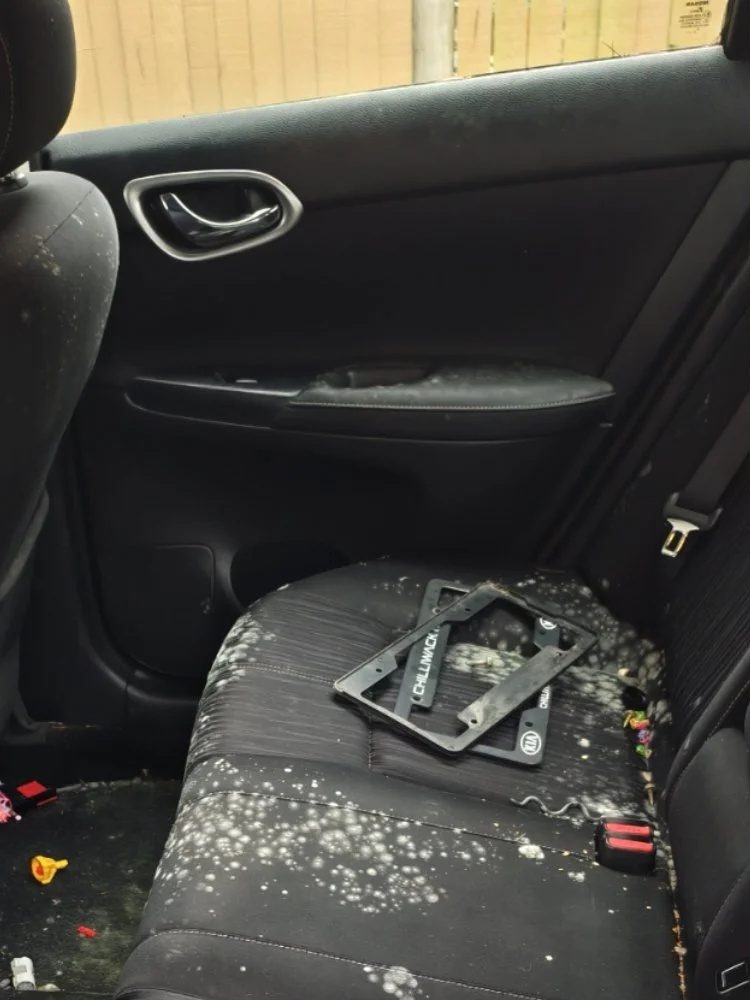
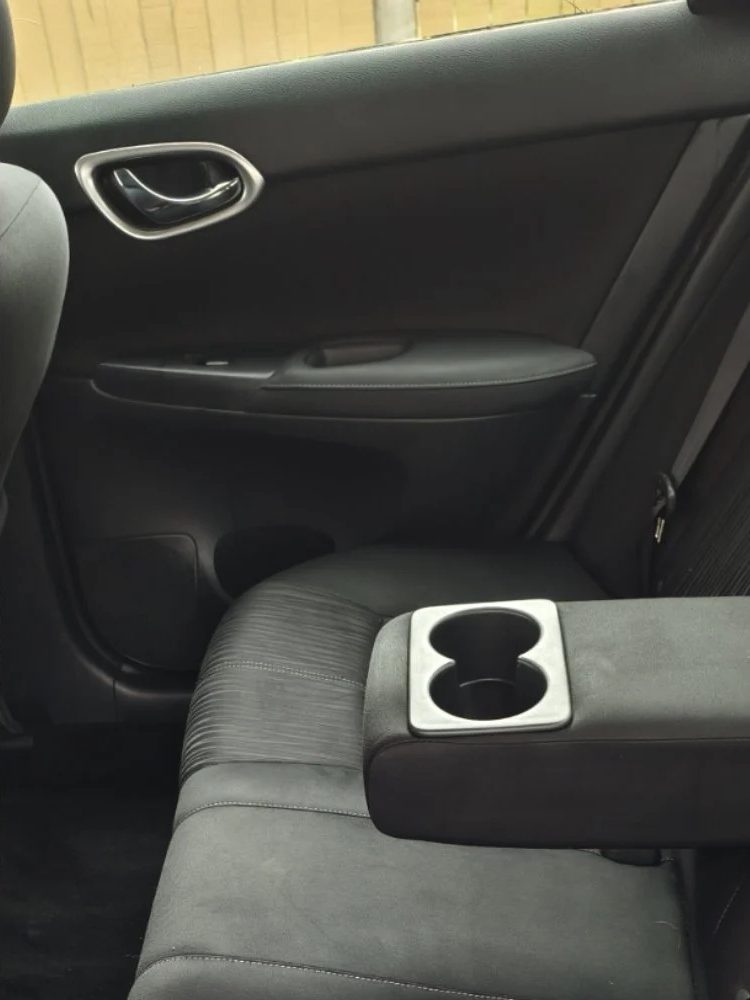
Black Sedan Rear Seat — White Mold Spots
White mold spots sit on the rear cushion of this black sedan, along with loose debris and a license plate frame left on the seat. Rear seats collect crumbs, damp items and little airflow, so we remove debris, vacuum with HEPA, steam and extract, then use Concrobium and ozone. Cars that haul wet gear or bags in the back, a common pattern near the water, tend to show this spotting.
 Before
 After
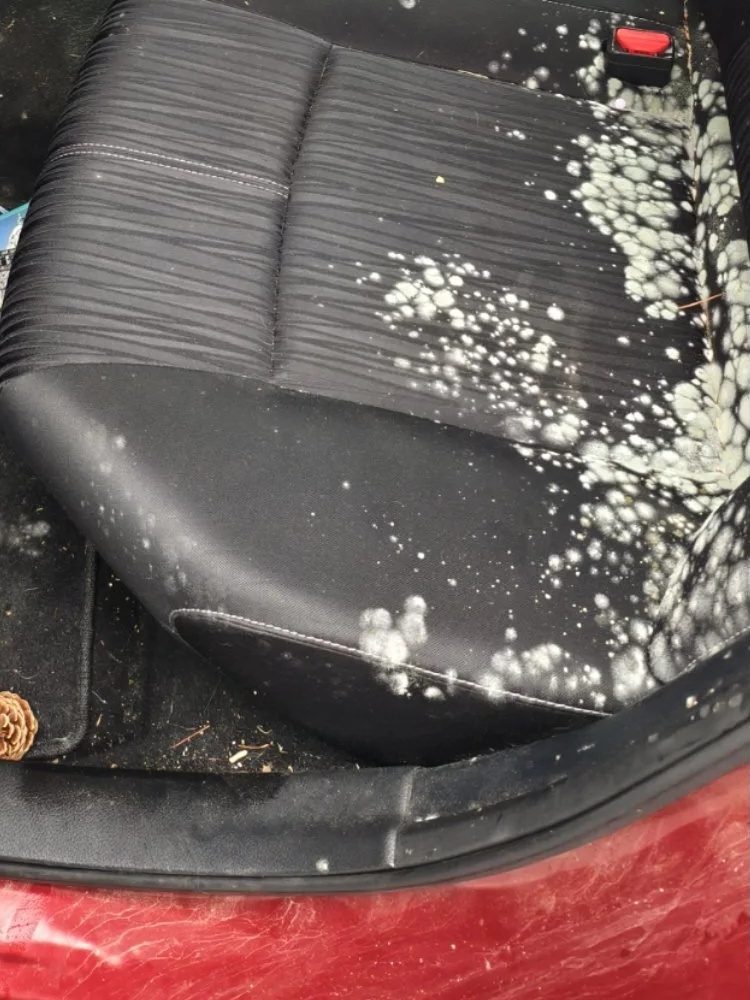
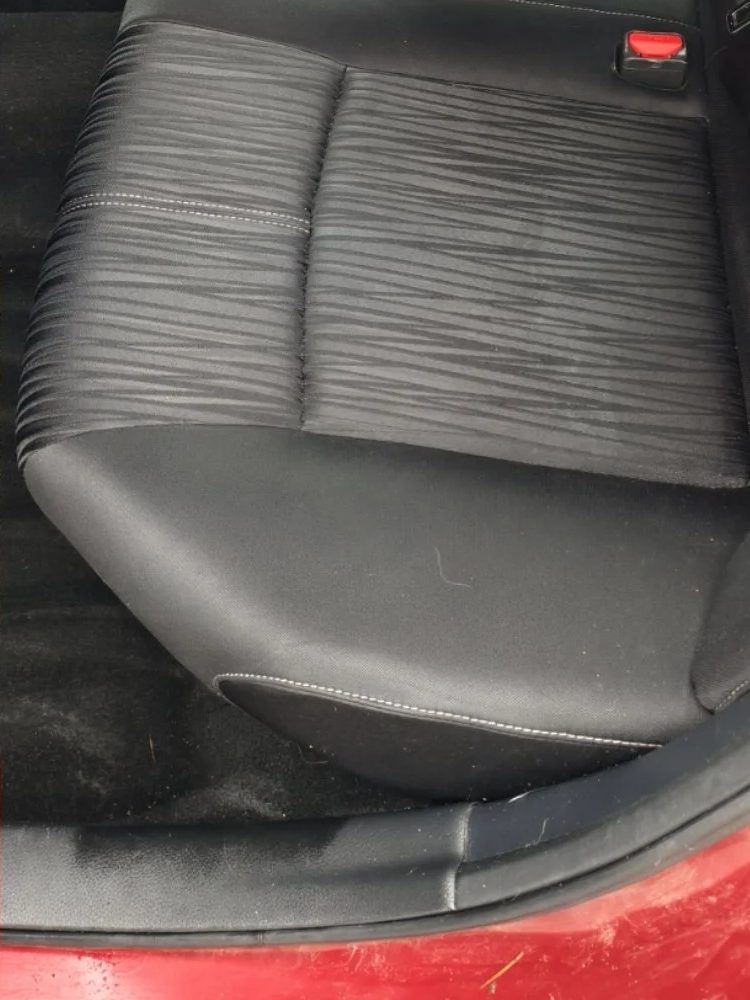
Black Cloth Seat — White Speckled Mold
Fine white mold speckles cover a black cloth seat, with the red car body visible beneath the window. Speckling like this is early to mid-stage growth, and it is much easier to treat now than after it has spread into the foam. Steam, extraction, Concrobium and an ozone cycle clear it. Warm, humid air and a few days of closed windows are all it takes in this climate.
 Before
 After
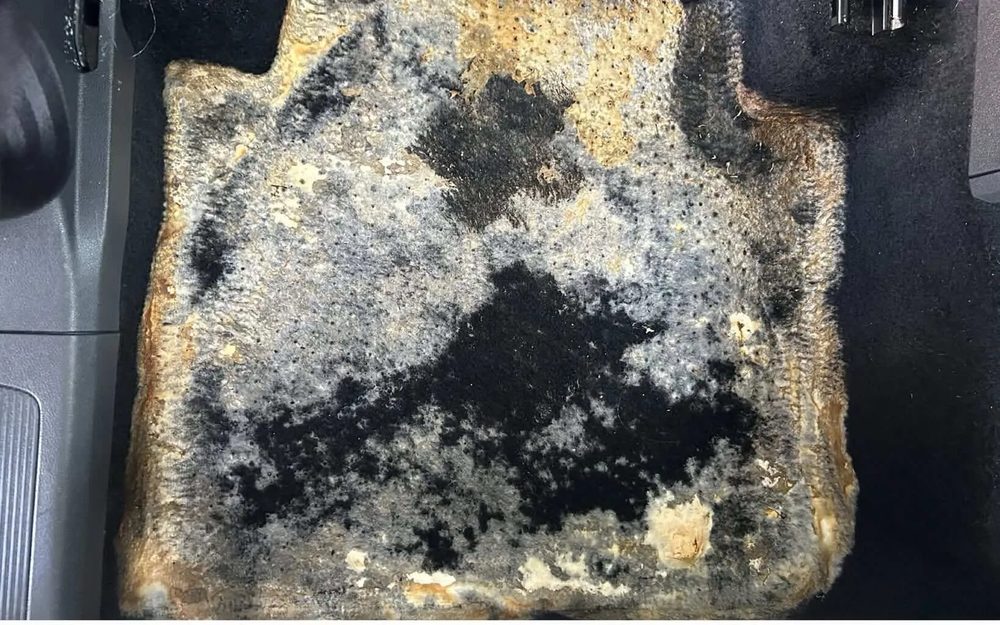
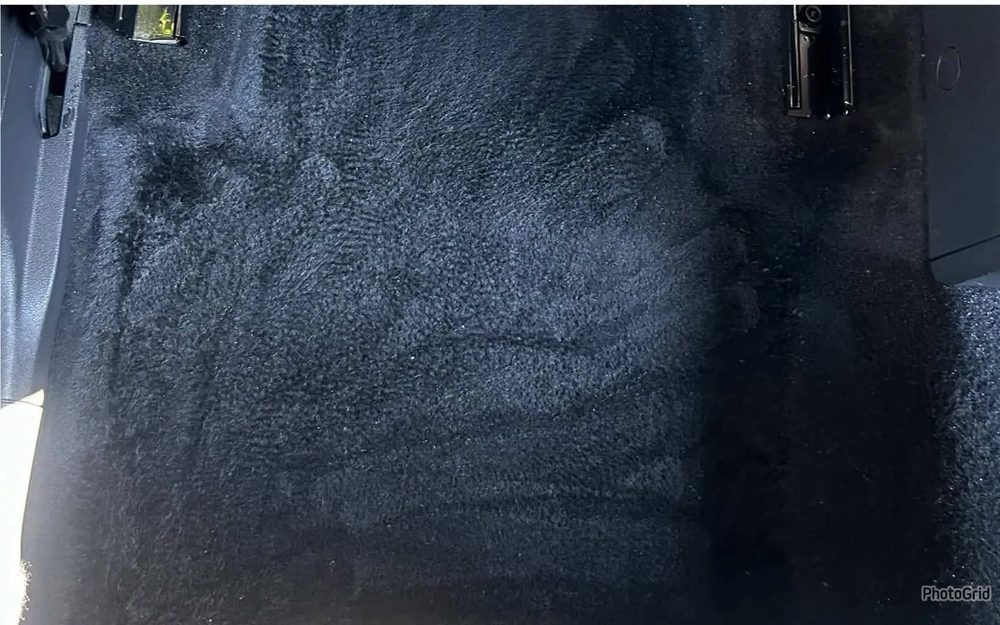
Floor Mat — Heavy Colony Growth
This carpeted floor mat carries heavy black, brown and white colonies, the most advanced pattern in the set. Mats and the carpet under them hold water longest, so we lift and treat the carpet below, extract, steam and apply Concrobium before the ozone cycle. Wet shoes, gear and leaking seals are the usual feeders, and in a city with this much water around them, mats are often the first place to check.
100% Satisfaction.
Written. No exceptions.
If the result doesn’t meet our standard, or yours, we come back and redo it at no charge. No forms to fill out, no arguing over what “counts.” The guarantee is in writing before we ever touch your vehicle.
Request Mold Removal in Fort Lauderdale · From $549
Fill this in once and send it. We get your address, vehicle, and the situation all in one message, no phone tag.
Rating
Detailed
Response
Three steps from a photo to a dry, clean cabin,
We handle everything else.
No drop-off. No waiting. We come to Fort Lauderdale.
We come to you in Fort Lauderdale,
from Las Olas and Rio Vista to the Riverwalk.
Mobile service: home, office, condo, or marina. No drop-off, no travel fee.
Not seeing your city? Ask us — we likely cover it.
Canals, king tides and a five-month wet season
set the pace for mold in Fort Lauderdale.
With 165 miles of inland waterways running through the city and the New River reaching the Atlantic as a tidal channel, damp air is part of the landscape here, and a car left sitting for even a few weeks is already at risk. Left untreated, what starts as a musty smell becomes a real health issue for the next person who drives the car. DShine's Concrobium Mold Control and ozone process address the cause, not just the symptom, backed by $2M insurance and a written guarantee. Mold doesn't need much to get started, any trapped moisture inside a closed cabin is enough given South Florida's humidity. The source is almost always one of four things: a clogged AC condensation drain letting water pool silently on the floor pan, a failed door or window seal letting rain in, a clogged sunroof drain, or the car simply sitting unused for two or more weeks without the AC running. In Fort Lauderdale the one we run into most is a car that sits close to water without being driven: a canal-side garage, a tower parking deck, or a driveway through a wet season that runs from mid-May to mid-October.
Fort Lauderdale neighborhoods we serve,
from Rio Vista to Victoria Park and Las Olas Isles.
From the New River to the Intracoastal, these are the Fort Lauderdale areas where canals, old garages and tower decks shape the mold risk.
Rio Vista — Bounded by Federal Highway and the Intracoastal Waterway, Rio Vista has more than 1,000 homes and some of the oldest streets in the city, with development starting in the early 1920s. Older garages and driveways near the water are typical, so we plan around tight driveways and check cars that sit between trips.
Colee Hammock — Las Olas Boulevard runs through this neighborhood near the New River, where historic homes sit alongside newer townhomes and condos. Cars here may be in a single garage, a shared condo deck or a short driveway, and we confirm which, plus any guest-parking rules, before we arrive.
Victoria Park — Bounded by NE 10th Street, the Karen Canal, East Broward Boulevard and North Federal Highway, Victoria Park is one of the areas the city names for compound flooding when rain meets king tides. Street-parked cars here are worth checking after a flood, because water gets into door cavities and carpet padding.
Las Olas Isles — These isles were dredged in the 1920s to create waterfront lots, and many homes have since been rebuilt. Most have private garages or driveways beside a canal, and the humid air from the water is the constant. We look at the second car and the weekend car first, since they tend to sit longest.
Sailboat Bend — On a bend of the New River, Sailboat Bend is the city's only officially designated historic district, with early 20th-century bungalows and smaller lots. Many cars park in short driveways or on the street, where rain and tidal flooding reach them more directly than they reach a closed garage.
Harbor Beach — One of the city's officially recognized beach-side neighborhoods, Harbor Beach puts cars within sight of the water and the Intracoastal. Garages and carports near the shore hold humid air, and cars that go on cruises or boat trips sit for days, so we plan around building access and check the cabin for damp gear.
Downtown & Riverwalk — The Riverwalk runs for over a mile along the New River from Sailboat Bend toward the Stranahan House, and condo towers and parking decks fill the blocks around it. Cars on shared decks pick up moisture from damp floors, so we confirm the level, the guest-parking rule and any notice the building needs.
Don't see your area? Ask us — we likely cover it.
Fort Lauderdale car mold,
the canal, tide and garage questions we hear most.
Tap any topic to read the full breakdown.
Fort Lauderdale sits about 7 feet above sea level, and water is part of the street plan. The city counts 165 miles of inland waterways, and the New River, a tidal estuary built from many tributary canals, crosses town to reach the Intracoastal Waterway and the Atlantic at Port Everglades. Garages and carports close to that water tend to stay damp long after the rain stops.
The city averages roughly 61 inches of rain a year. The National Weather Service puts the South Florida wet season at May 15 through October 15, when 60 to 70 percent of the yearly rain falls, and June is the wettest month on average at 9.55 inches. A closed cabin needs only warmth, moisture and still air to start growing mold, and a single wet-season week supplies all three. Annual mean temperature is about 77 degrees, so there is no cold month to slow things down.
The airport sits about three miles southwest of downtown, Port Everglades spans parts of Fort Lauderdale, Hollywood and Dania Beach, and the beach is a short drive east. Even an ordinary errand ends in air that has crossed water, so a car's A/C evaporator and cabin stay damp more often than they would inland, and a clogged drain or a worn seal matters sooner.
The mix here follows the housing. Daily-driver sedans and crossovers belong to people who live in older homes along the canals or in condo towers downtown and along the beach side. Many of these cars are fine for months, then pick up a smell after a stretch of heavy rain, a week away, or a window that was not quite closed.
A second group is the work and weekend trucks and SUVs that haul boating gear: dock lines, wet fenders, coolers, fishing and dive bags, life jackets that were stowed damp. Wet fabric riding in a closed cargo area is one of the most reliable ways to start a colony, and it shows up in the cargo floor and the rear seat first.
We also see vehicles that were simply left. A car parked for a week or two at an airport or cruise-port garage, then picked up with the cabin sealed and warm, or one that sat while its owner was aboard a boat or traveling for work. Those tend to show a haze on the dash and steering wheel, and a damp, sweet smell the moment the doors open.
Canal-side garage or carport: The usual starting point in the older waterfront neighborhoods. Older garages often have little ventilation and no dehumidifier, and a garage that backs onto open water holds humid air that slips into the cabin every time the door opens. A car that moves daily usually stays clear; the second car driven on weekends is the one we end up treating.
Tower parking deck: Downtown and Las Olas condo buildings park cars in concrete garages that are partly open and shared. Floors stay damp after storms, tires and door sills carry that moisture in, and a car left on a lower level for weeks can turn musty while its owner is away. Valet-run decks add a different pattern: cars get moved and aired between shifts, which helps.
Driveway or street, low-lying blocks: The city says Victoria Park, Southeast Isles and Middle River Terrace see compound flooding when rain coincides with king tides. A car parked on a flood-prone street can take water over the rocker panels or into the door cavities, and the carpet padding holds it long after the surface looks dry.
Marina lot or airport and port garage: Cars at a marina sit next to open water and often hold wet gear, so mats and cargo liners show growth first. A car left a week or more at the airport or a cruise terminal comes back to a sealed cabin that heated and cooled for days, and if anything was damp when it was parked, you will know when the door opens.
May 15 to October 15, the wet season: Daily storms soak driveways, flood door seals and keep garages humid. This is when most window-left-down and sunroof-drain calls come in, and the stretch where a car left unused for several weeks is most likely to need treatment.
June 1 to November 30, hurricane season, and September to November king tides: The peak is around September 10. Cars get pushed into sealed garages ahead of storms and stay shut for days. The city reports its highest tides in September, October and November, and low streets flood even on sunny days. Salt water damages vehicles, per the city.
Late October into early November, boat show: The in-water show runs at several waterfront venues, including Bahia Mar and Las Olas Marina, and the 2026 dates are October 28 to November 1. Traffic and parking tighten around those venues, so give us your address and access details when you book.
December through April: Drier and cooler, but not immune. The April 2023 storm dropped 25.91 inches of rain on Fort Lauderdale in 24 hours, and a dry-season flood is still a flood. Cars that took water that month were the ones we would have wanted to see within days.
Most Fort Lauderdale addresses come with a layer of access: a condo gate, a guest-parking rule, a garage with a clearance sign, or a marina with its own entry procedure. We ask about it when you book so there are no surprises on arrival, and we work from your own address, whether that is a home, office, condo or marina.
For tower garages, the useful details are which level the car is on, whether guest parking is allowed, and whether the building needs notice for a service visit. Some buildings want a name on a list at the front desk; others will let us in with a code. Tell us what you know, and we will work out the rest before the visit.
For waterfront homes, the car is usually in a driveway or garage we can reach directly. For marina visits, the question is whether we can park next to the vehicle without blocking a fuel dock or a launch lane. Either way, travel is included and nobody has to bring the car anywhere. We keep the ozone step away from anyone walking by, and nobody stays inside the vehicle while it runs.
1. A car that sits near water: Garages beside a canal, tower decks near the river and driveways close to the Intracoastal all share one thing: humid air that never quite dries out. The car does not need a leak. Close the doors, switch off the A/C, leave it two or three weeks, and the cabin supplies the rest.
2. Wet gear carried inside: Towels, dive bags, life jackets, a cooler that leaked, a wet dog or a child's swim bag. These get left in the rear seat or cargo area and stay damp in a closed car through the afternoon heat. We find growth first in the cargo floor, the rear seat bottoms and the carpet under the seats.
3. A seal or drain that lets water in: A window that did not seat fully, a sunroof drain clogged with debris, a door seal hardened by years of heat, or an A/C condensate drain that no longer runs. A wet-season storm is enough to push water down the pillars, and a clogged A/C drain can leave the floor pan wet. The mold shows up as a smell first.
4. Street or driveway flooding: Victoria Park, Southeast Isles and Middle River Terrace are named by the city for compound flooding when rain and king tides coincide. Water that reaches the door cavities or carpet padding gets trapped there, and drying the surface does not remove it.
It starts with a photo or a description sent over before you book. We review it and confirm a price in under two minutes: $549 if the mold is in one area, $749 if it is throughout the vehicle. The exact number is confirmed after we look at the photos or description and before any work begins.
On the day, we come to your address and start with the inspection: headliner, seats, carpet, door panels, trunk and vents. Then the eleven steps, from HEPA vacuuming and the Benefect decon through steam, extraction and drying, to the Concrobium Mold Control, the sealed-cabin ozone cycle, the Meguiar's odor bomb and the final check. A typical visit runs 3 to 4 hours.
You do not need to be home. Many Fort Lauderdale clients are at work, on the water or out of town while we work, and before and after photos arrive by WhatsApp. When the ozone cycle has finished and the cabin has aired out, we confirm that the vehicle is ready. Ask us anything during the visit; we explain what we find as we go.
The first question is almost always about the canal: my car smells like mold and I live on the water, is that the cause? Often it is part of it, because damp air gets in every time the door opens, but the mold itself usually starts from a specific spot, a wet mat, a sunroof drain or a seal, and that is what we look for.
The second is whether we can reach a condo garage or a marina lot, and the answer is yes, as long as we know the access rules ahead of time. Third is cost: $549 for one area, $749 throughout the vehicle, with travel included and no surprise charge after the photos are reviewed. If the building needs a guest pass, send us the details.
The fourth question is whether the smell is mold or something else, because boat owners also deal with fuel, bilge and damp-gear odors. Photos help us tell them apart, and we will say plainly if what you describe sounds like something other than mold. Odor Removal at $349 is the better fit when there is no growth but the smell lingers.
Odor Removal is the most common companion when a smell lingers after the mold itself is treated, especially in cars that carried fuel cans, fishing gear or damp bags. Flooded Car Detailing is the one clients call about after a street flood or a king-tide soaking, ideally as soon as possible after the water came in.
Ceramic Coating gets added by owners who park near open water, because paint that sits under humid air and afternoon sun gains from the extra protection, and the car is already clean and open for it. Paint Correction is booked when the exterior has taken a beating too, and many owners prefer to deal with both in one visit rather than scheduling twice.
Engine Bay Cleaning shows up less often, but it is a quiet favorite for older cars that have sat near the water for a few years, since a bay that has taken salt mist and damp air can use the attention while the hood is already open.
The first sign is often visual: windows that stay fogged on the inside after the car has sat, a faint white haze on the dash or steering wheel, or dust-like speckles on a seat bolster. In a damp climate a car can look fine from outside and be growing mold behind the trim.
Press a hand on the carpet under the floor mats, especially in the front footwells and the cargo area. Check seat belts that feel clammy, door pockets that stay wet, and any musty note from the vents in the first few seconds after the A/C starts. If you carry boating or beach gear, check where it rides.
Allergy-like symptoms that only show up in the car, such as sneezing, itchy eyes or a heavy feeling in the chest during a commute, are another signal worth acting on before anything is visible, and so is a smell that comes back a day after you air the car out.
Idle periods in Fort Lauderdale tend to come from travel: a cruise from Port Everglades, a work trip through the airport, a week or two aboard a boat, or a second car that never leaves the garage. The goal is to leave the cabin dry and give moisture somewhere to go.
Remove anything damp before parking: towels, bags, gear and water bottles. Run the A/C with the fan on for a few minutes before shutting the car off, so the evaporator dries. Put a moisture absorber in the cabin, check the sunroof drains, and avoid parking on a low spot that floods in king-tide months.
If the car will sit more than a couple of weeks, ask someone to start it and run the A/C briefly, or book a check for when you return. A quick visual and smell check is cheaper than treating a cabin that has gone a month in closed air. If you will be gone a month or more, tell us and we can plan a visit for the day you land.
Plenty of households here have two or three vehicles: a daily driver, a weekend car and a truck that tows or hauls gear. Usually only one is affected, but the one parked beside it in the same garage is worth a look while we are on site, since both breathe the same air.
If more than one vehicle needs treatment, we plan the visits back to back at the same address and confirm each price from the photos. For a condo with assigned spaces, we check who parks where and whether guest parking works for us, so a second car does not mean a second trip across town.
Tell us how many vehicles you have and where each is parked when you book, and we will fit the visits together around your day and the building's rules. If one car is a daily driver and the other sits, we will usually look at the one that sits first.
Every job comes with a 100% written satisfaction guarantee for 30 days. If mold or mold odor returns in that window, we come back and re-treat at no charge. It is in writing, and it covers the vehicle we treated, whether it is parked at a house, a condo or a marina.
In a waterfront city, the reason mold comes back is nearly always the moisture source: a drain still clogged, a seal still leaking, or the car going straight back to a damp slip or a low street that floods at high tide. When we find a likely source during the visit, we tell you plainly so you can fix it before it undoes the treatment.
We also say so when something is outside what treatment can do, such as seat foam or carpet padding that has been wet so long that it may need replacing rather than treating. You will hear that during the inspection, not after the work is done.
If the smell does return, send us a photo and a short note on where it is strongest, and we schedule the re-treatment at your address. Nothing about the guarantee requires you to bring the car anywhere, and the re-treatment is free, not discounted.
Fort Lauderdale has plenty of cars that are not ordinary daily drivers: convertibles garaged at waterfront homes, classics kept under covers, luxury sedans in tower garages and work trucks that live around boats. Each calls for a slightly different approach, and we adjust the visit to the car.
Leather gets our leather-safe protocol rather than hard scrubbing, with treatment that stops active growth without stripping the finish. Convertibles need the soft top, seams and drains checked. Older cars with worn seals get a note about where moisture is most likely coming in, so the fix is not left to guesswork.
For work trucks and vehicles used by crews, the focus is cargo floors, mats and rear seats, the surfaces that take most of the wet gear. Those are cleaned and extracted first, because that is where the colony usually started, and we tell you where the moisture got in.
Empty the car of anything that can hold water: towels, gym bags, boat gear, coolers, bottles and takeout bags. Check the footwells and the cargo area, and lift the mats to see the carpet beneath, because that is where a leak shows first.
Close the windows and the sunroof fully, and make sure the sunroof drains are clear. Run the A/C with the fan for a few minutes before you turn the car off. Add a moisture absorber if the car will be in a closed garage, and avoid parking at a spot that floods at high tide.
Run the A/C with the fan for a few minutes before you turn the car off. Add a moisture absorber if the car will be in a closed garage, and avoid a spot that floods at high tide. Close the windows and the sunroof fully, and make sure the sunroof drains are clear.
Finally, take a few photos of the interior before you go. If something turns up when you return, a before picture helps us confirm the price quickly and shows what changed while you were away, and you can send both together. It takes under a minute.
Mold starts to germinate in 24 to 48 hours once moisture is present, and in a warm, humid climate it spreads quickly. A small patch on a seat bolster or a floor mat can become a cabin-wide problem within weeks, especially if the A/C keeps circulating air through it.
That matters for the price. We charge $549 when the mold is in one area and $749 when it is throughout the vehicle, so treating early often keeps you in the lower tier. Waiting through a wet season or a king-tide stretch usually pushes a small problem into the bigger one.
There is also the health side: in a closed cabin, spores move with the air you breathe on every drive, and children and anyone with allergies tend to notice first. Treating it early protects the people in the car as much as the upholstery.
Boating is a large part of daily life here: Fort Lauderdale is usually described as home to about 42,000 boats and roughly 100 marinas, and the in-water boat show alone brings more than 1,000 exhibitors and over 1,300 boats to the waterfront. A lot of cars and trucks therefore carry marine gear, and many belong to people who work on or around boats.
These vehicles pick up two different problems. One is mold from damp gear, bags and wet mats. The other is fuel, bilge or solvent odor carried on clothes and equipment, which is not mold and is handled differently. We look at your photos first and tell you which one you have, instead of treating both as the same thing.
For crews and technicians who drive between marinas all day, the cargo area and the floor mats are the first places to check. A quick weekly airing of the cabin and a habit of lifting wet gear out of the car at the end of the day make a big difference.
Send us photos or a description and we confirm a price in under two minutes: $549 if the mold is in one area, $749 if it is throughout the vehicle. The exact price is confirmed after we review your photos or description and before any work starts, so there is no number that changes halfway through.
Travel is included at any Fort Lauderdale address, whether that is a canal-side driveway, a tower garage or a marina lot, and you only pay the price we confirmed. If the photos do not show enough, we ask for one or two more rather than guess.
If mold has spread further than the photos suggested once the doors are open, we tell you and explain what changed before doing anything else. The price you agreed to does not move on its own, and you decide whether to continue. That is the whole point of confirming first.
Fort Lauderdale combines low elevation, 165 miles of inland waterways, about 61 inches of rain a year and a wet season that runs from mid-May to mid-October. Add canal-side garages, shared tower decks and street flooding at king tide, and a car can pick up mold with no leak at all.
Car Mold Removal is $549 when the mold is in one area and $749 when it is throughout the vehicle. We come to your address, confirm the price from photos before starting, and a typical visit takes 3 to 4 hours. You do not have to be there.
The process has 11 steps, uses Concrobium and ozone, and is backed by a written 30-day guarantee: if mold or mold odor returns in that time, we re-treat for free. We are IDA certified and carry $2M in liability insurance, and you get before and after photos by WhatsApp.
After steam, extraction and the Concrobium application, we seal the vehicle and run an ozone generator inside the cabin. It reaches airborne spores and the ventilation paths that surface cleaning cannot. Nobody stays inside the vehicle while it runs, and we keep people and pets away from the car, whether it is in a driveway, a garage bay or a marina lot.
When the cycle ends, we open the vehicle and let it air out completely, and a closed tower garage may take a little longer than an open driveway. After that comes the Meguiar's odor bomb and the final check. We confirm when the car is ready to use, not just when the machine has stopped.
The cycle is the step that reaches what a wipe cannot: spores floating in the cabin air and the paths that air follows through the dash and vents. It is also the reason we ask that nobody sits in or near the vehicle until we confirm it has aired out.
Before you book,
answers for Fort Lauderdale drivers.
Add-ons Fort Lauderdale clients book
Still deciding? Read: the complete mold removal guide · does insurance cover it? · why DIY mold removal fails.
Ready to clear the mold from your Fort Lauderdale car?
Serving Fort Lauderdale and all of Broward County. Fixed pricing, no travel fee. We confirm in under 2 minutes.
It Might Just Be an Odor Problem
If there's no visible mold growth yet, the smell alone is usually an Odor Removal Detailing case ($349 flat) — faster than full mold remediation ($549–$749). See which one matches what you're dealing with: