What a Delray Beach Mold Job Includes
This is not a car wash. Car Mold Removal uses Concrobium Mold Control treatment, pH-balanced products, and machine assistance, the same process used in pre-sale preparations for luxury dealerships.
Why it matters for your health: Mold in a vehicle is a different exposure than mold on a wall at home. With the AC recirculating, everyone inside is breathing concentrated spores for the length of the drive. The EPA and CDC both link mold exposure to respiratory irritation, allergic reactions, headaches, and worsened asthma symptoms. Children, older passengers, and anyone with a compromised immune system typically react faster and more severely than a healthy adult would. By the time the smell is noticeable, spores have usually already spread through the HVAC system into every vent in the cabin.
Curious what actually happens during the visit? Tap through our real 11-step process below to see what we do at each stage and why it matters.
What every Delray Beach mold job gets you
Most detailers in Delray Beach charge less. Here’s exactly what you gain — and what you risk — with each choice.
| DShine DetailsFrom $549 · travel included | Avg Delray Beach Detailer$149 – $199 | |
|---|---|---|
| Industry certificationsIDA, Koch Chemie, Meguiar’s, 3M, Symplex, XPEL | ✓6 verified | —0 credentials |
| $2M liability insuranceWe cover any damage — in writing | ✓ | —Often uninsured |
| Deionized water systemZero mineral residue, no water spots | ✓ | —Tap water, water spots |
| Fresh microfibers per vehicleNo cross-contamination between jobs | ✓ | —Shared towels, swirl risk |
| Mold-specific chemistry onlyConcrobium, Benefect & Meguiar’s, no harsh acids | ✓ | —Industrial degreasers |
| Before & after photosSent via WhatsApp on completion | ✓ | —No documentation |
| 100% written satisfaction guaranteeReturn & redo at no cost if unsatisfied | ✓ | —No written guarantee |
| Travel to your address — $0Home, office, condo — no drop-off | ✓ | Sometimes adds fee |
DShine vs. any other detailer
in Delray Beach, Palm Beach County
Three things most detailers won't tell you. We put them in writing.
 Since 2018
With more than 20 years of hands-on experience in the automotive care industry, Evelio launched DShine Details in August 2018 with one van and zero shortcuts. For the first six months he slept in the van to keep costs down and standards up. Today DShine runs 7 certified vans across Miami-Dade, Broward, and Palm Beach, and the commitment hasn't changed. Every vehicle is treated as if it were his own.
What clients say
in their own words.
Before & After: Mold Removal We've Actually Done
No stock photos. These are real DShine mold removal jobs across South Florida, the same 11-step process and chemistry used on every Delray Beach appointment.
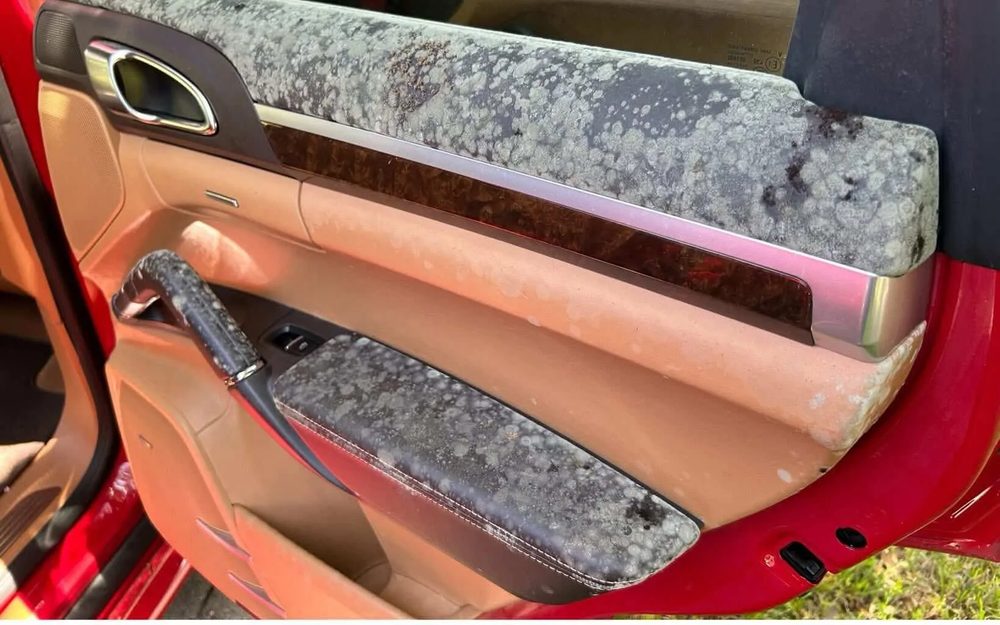 Before
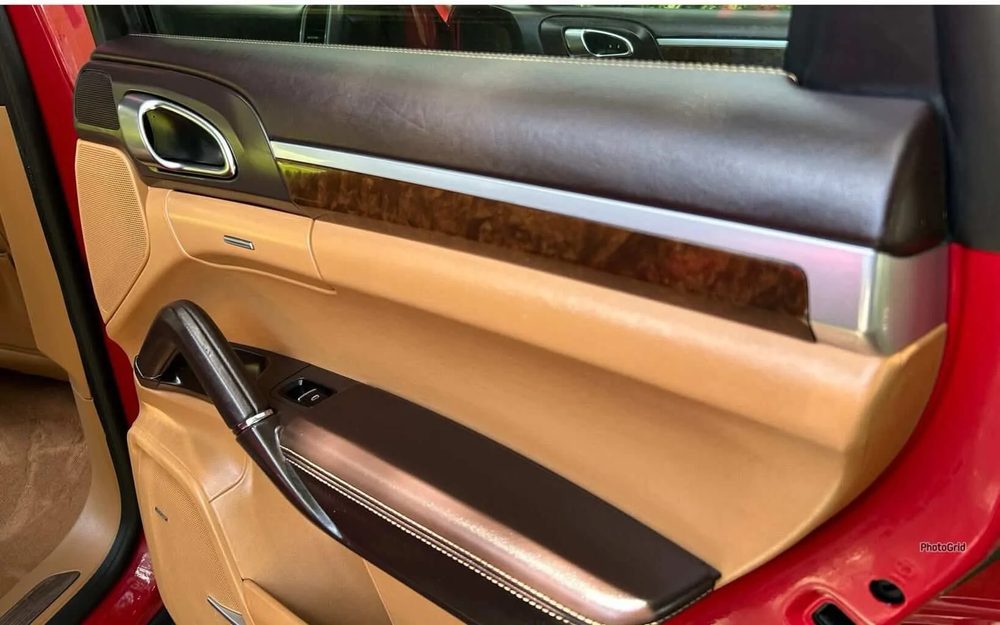 After
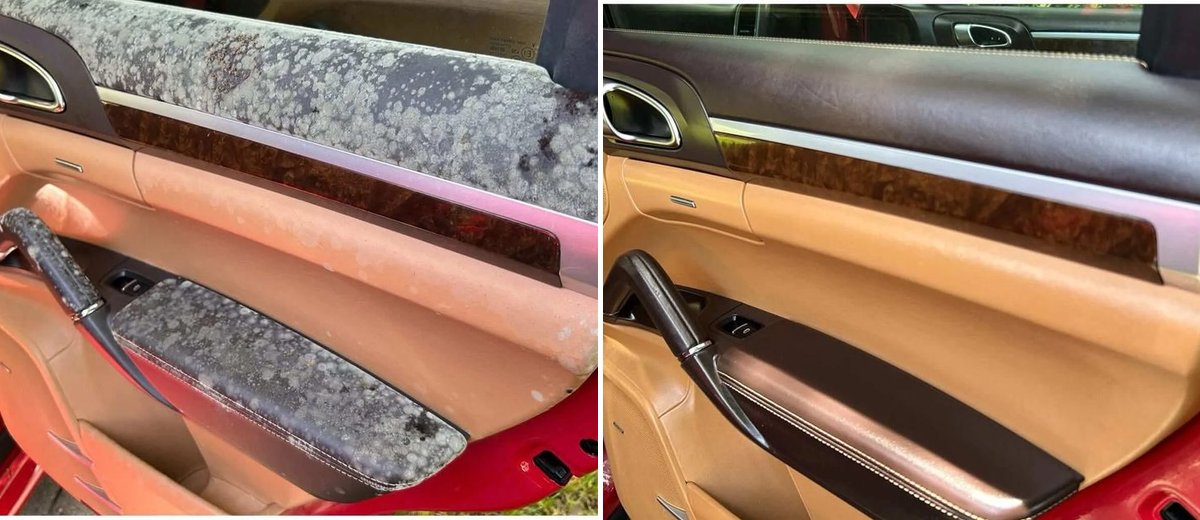
Porsche Cayenne — Door Panel & Armrest
Mold has spread across the tan leather door panel and armrest of this Porsche Cayenne, reaching up to the wood trim. Leather like this needs a leather-safe protocol, steam and extraction rather than harsh chemicals, followed by Concrobium and ozone. In Delray Beach, a closed car in a humid condo garage after a rainy week is exactly the setup that lets leather bloom like this.
 Before
 After
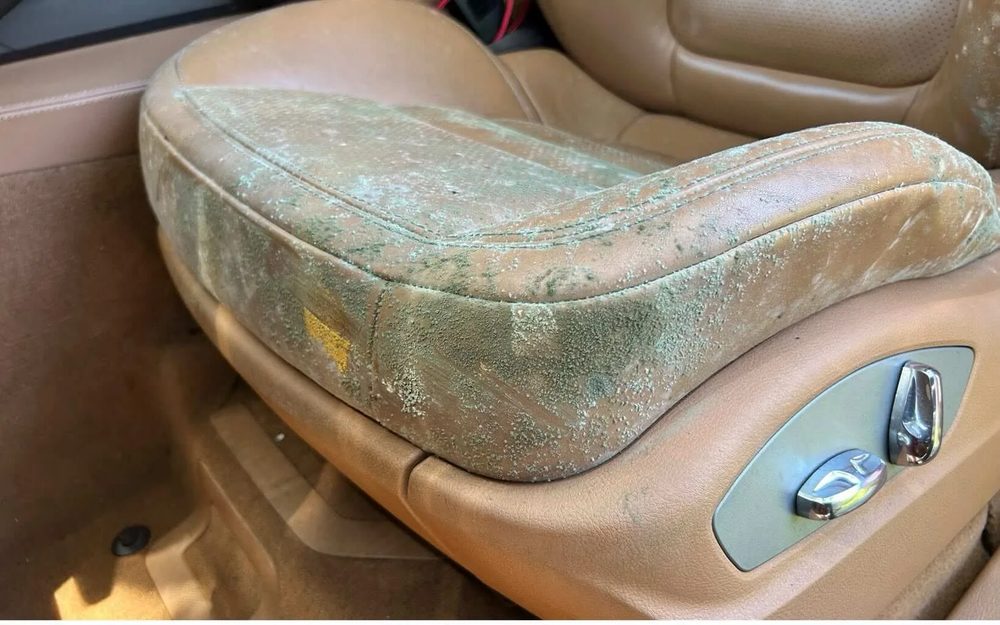
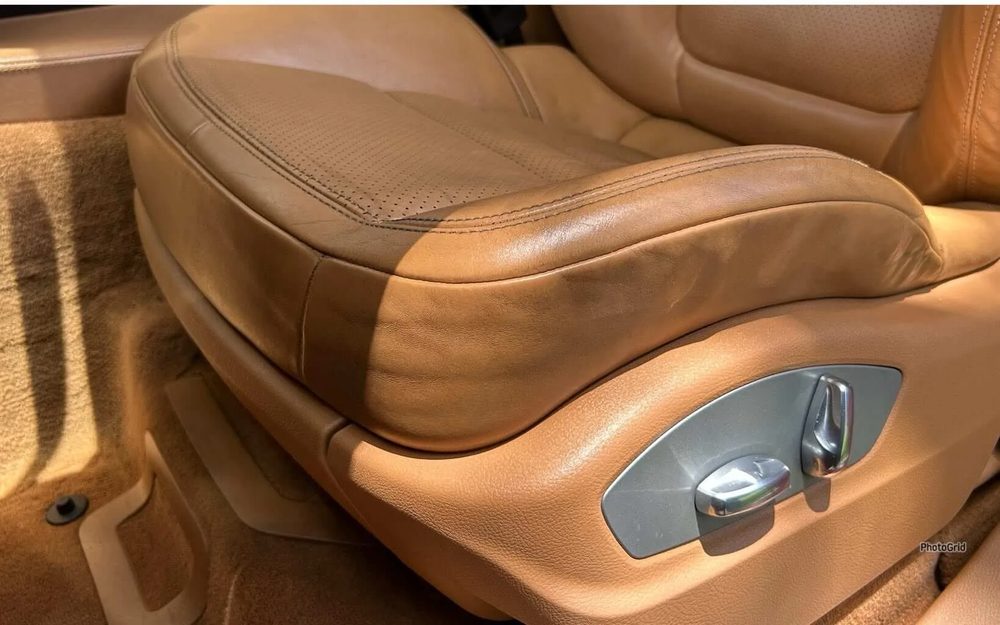
Leather Seat Bolster — Green-Blue Mold
The tan leather bolster on this front seat is covered with green-blue mold, the kind that shows up on a car that has sat shut for a long stretch. We treat it with a leather-safe antimicrobial step, steam and Concrobium, so the colony is killed without drying out the leather. In Delray Beach, a second car parked for days with the A/C off is a common route to this look.
 Before
 After
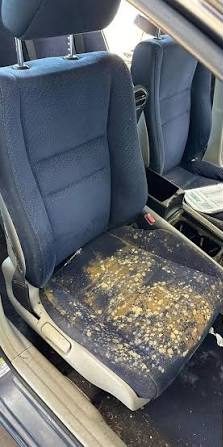
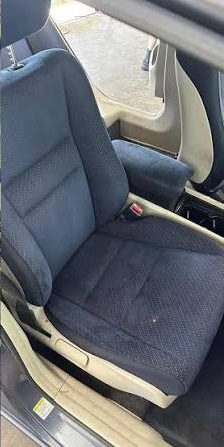
Cloth Bench Seat — Stain Residue Under the Cushion
With the seat cushion lifted, the underside of this dark blue cloth bench seat shows tan and yellow residue where moisture and mold have stained the fabric. Steam and extraction pull the staining and moisture out of the foam, and Concrobium and ozone treat what remains. In humid Delray Beach, the hidden underside of a seat can hold damp long after the surface feels dry.
 Before
 After
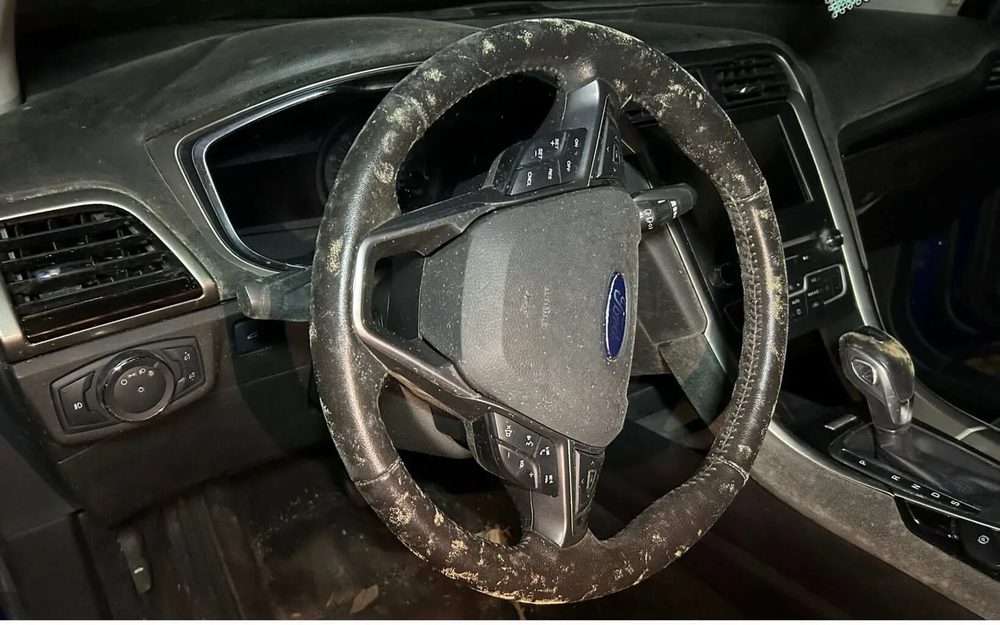
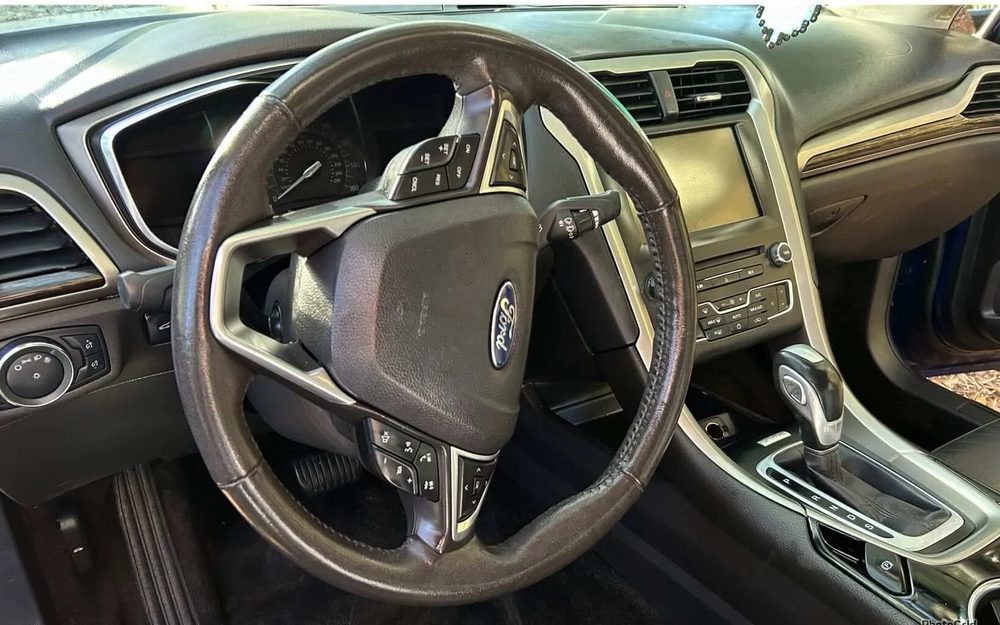
Ford Interior — Steering Wheel, Dash & Vents
A grey-white mold bloom coats the steering wheel, dash and vents of this Ford sedan. Hard surfaces like these get steam cleaning, and the vents need treatment inside the housing as well as on the face. Cars that are parked and closed for days in humid Florida air, such as the weekend cars in Delray Beach, often show this pattern first on the surfaces people touch.
 Before
 After
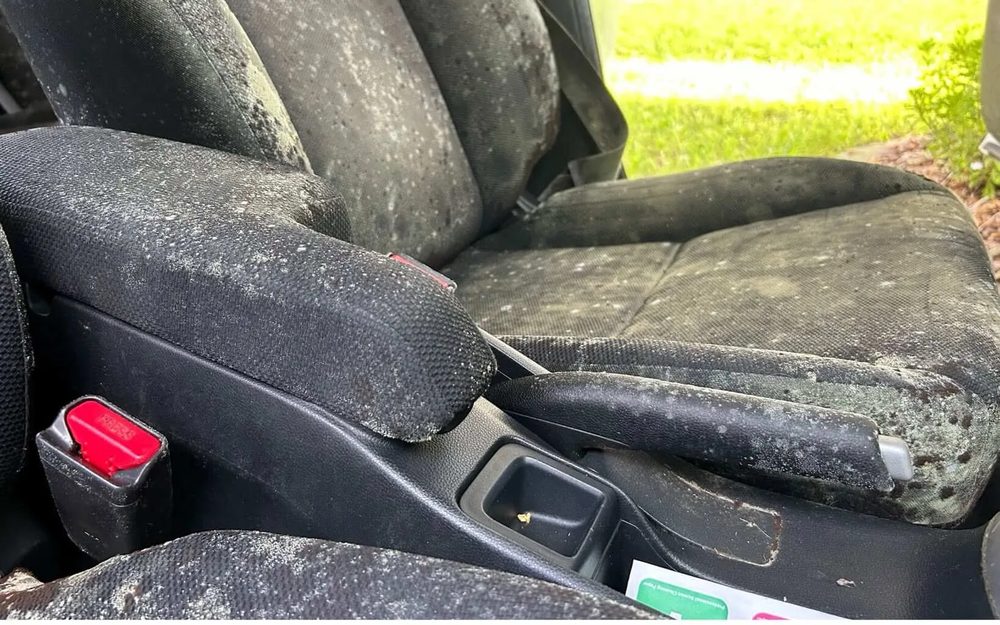
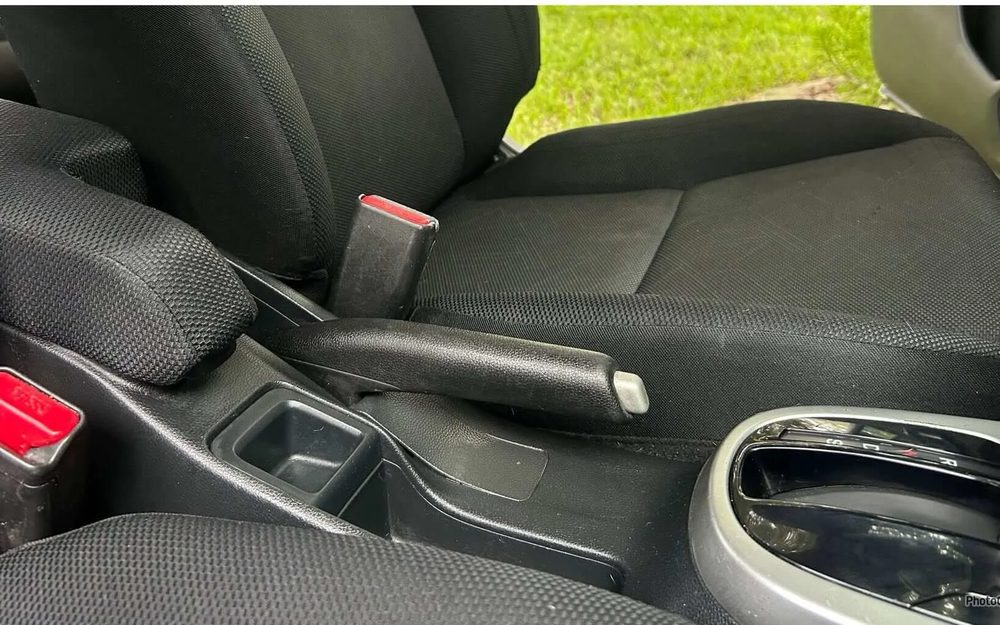
Driver Seat & Console — Grey-White Bloom
The black cloth driver seat and the armrest and console show a grey-white mold bloom, with a green lawn visible outside the window. Cloth takes steam and extraction well, and Concrobium and ozone follow to treat the fibers and the air. A car that sits near landscaping or irrigation in a humid suburban driveway in West Delray can build this kind of growth quietly.
 Before
 After
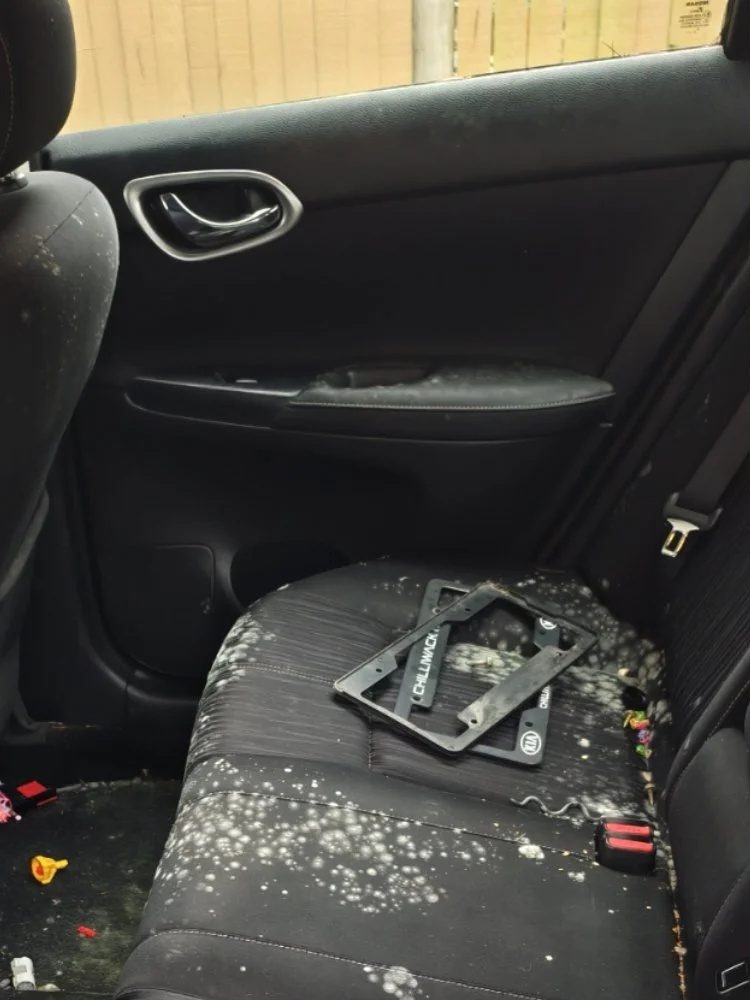
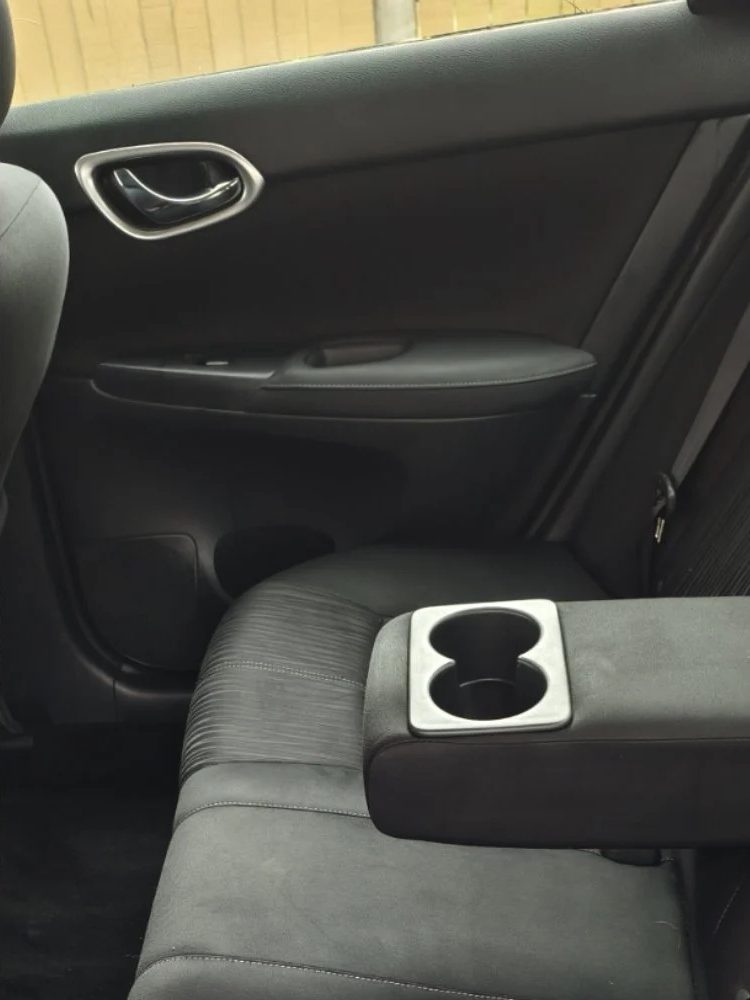
Rear Seat & Door Panel — White Mold Spots
White mold spots dot the rear cushion of this black sedan, and loose debris and a license plate frame are lying on the seat. Back seats are the most neglected part of a car, and they hold loose items that trap moisture. We vacuum with HEPA first, then steam, extract and treat. In Delray Beach, the rear seat is where wet beach gear and umbrellas tend to be left.
 Before
 After
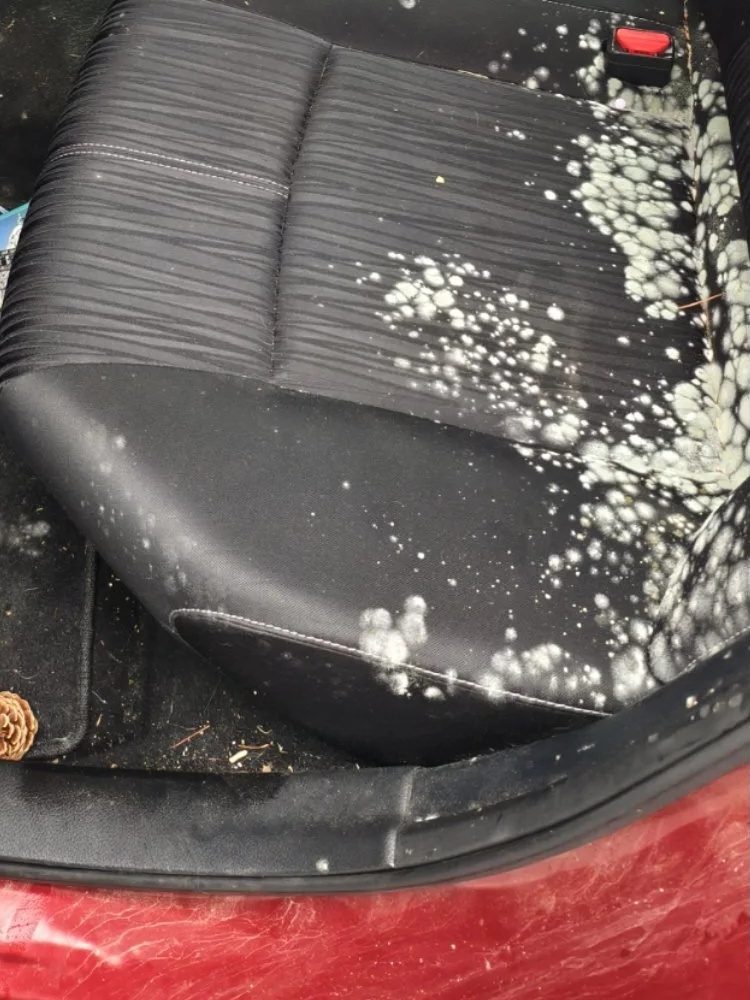
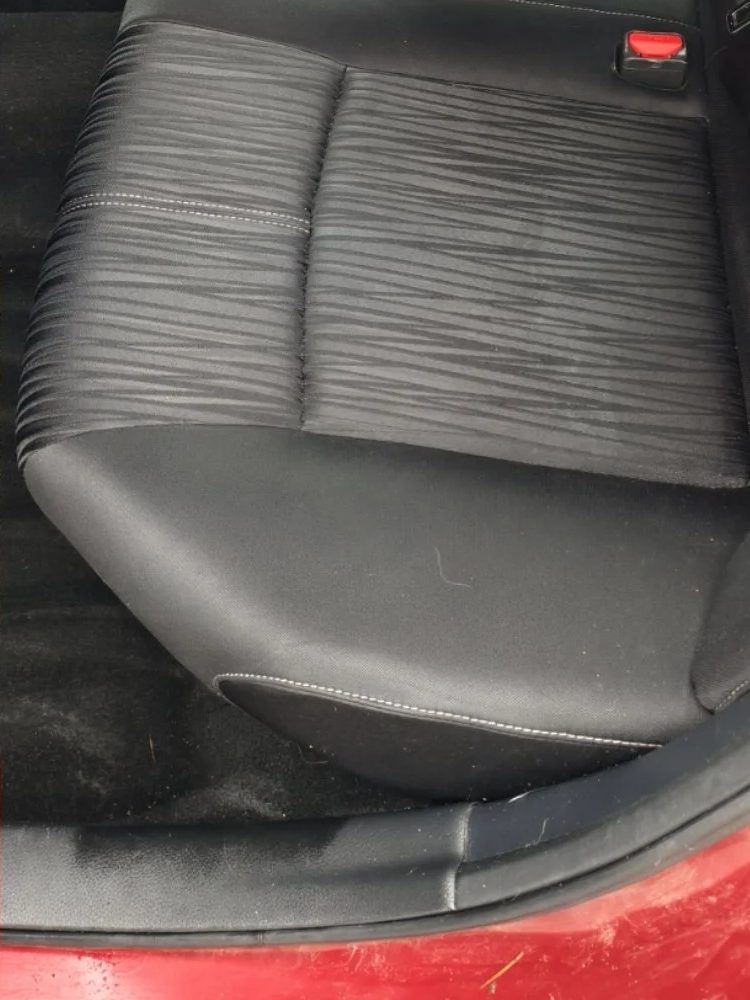
Cloth Seat — White Mold Speckles
Fine white speckles cover this black cloth seat, with the red car body visible below the window. Early-stage growth like this is easier and cheaper to treat than a car with mold throughout, which is why a quick photo is worth sending. A cloth seat in a car that sits closed in humid Delray Beach air can reach this point within a few weeks.
 Before
 After
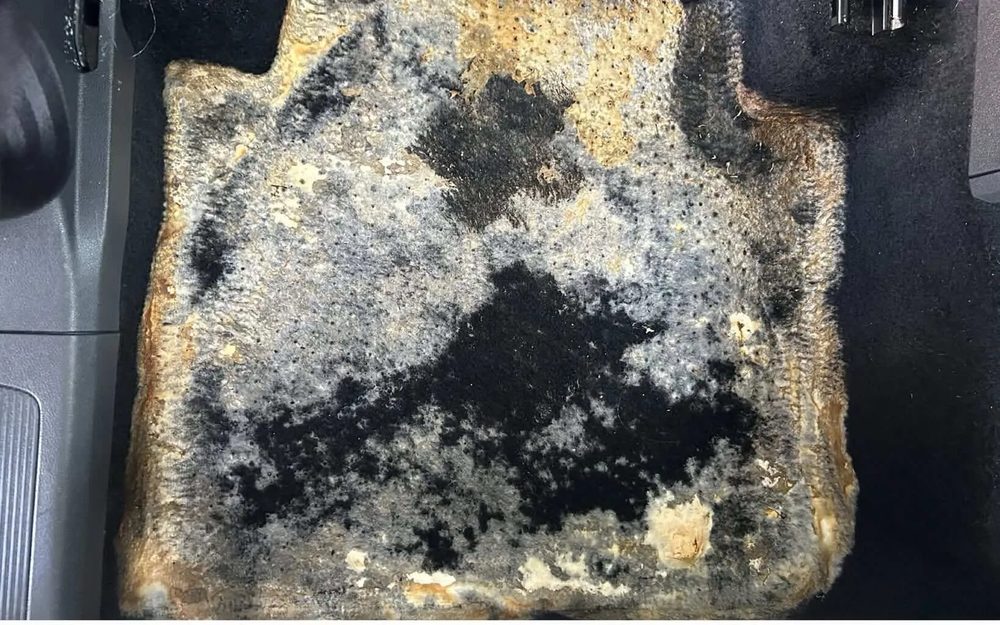
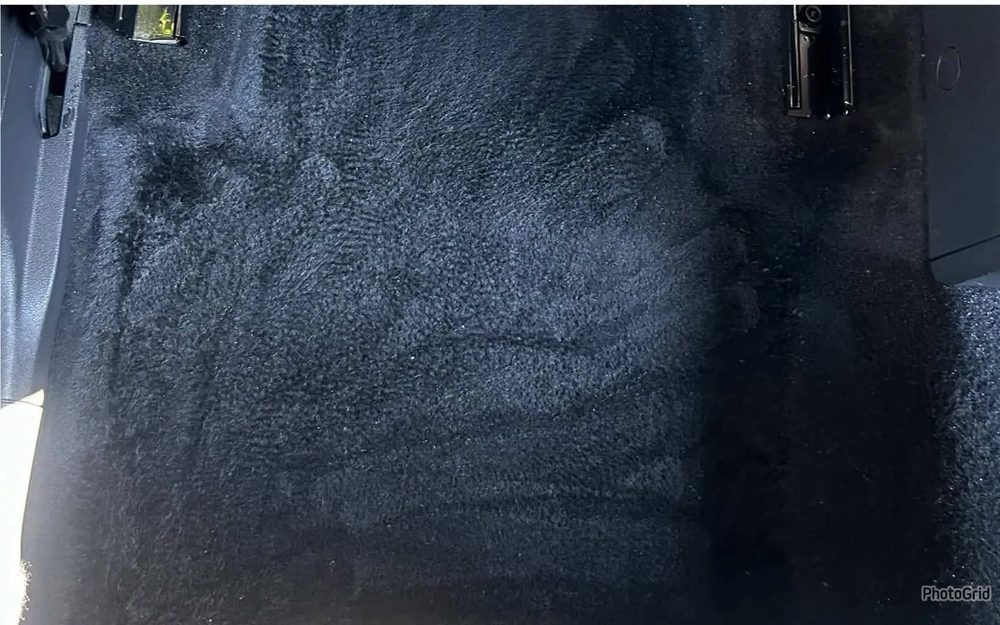
Floor Mat — Heavy Colony Growth
A carpeted floor mat carries heavy black, brown and white mold colonies, the kind that grows when a mat stays wet. The mat and the carpet beneath need steam, extraction and treatment, and in some cases the underlay too. In Delray Beach, wet sneakers and beach sand on a floor mat in a closed car make an ideal bed for this growth.
100% Satisfaction.
Written. No exceptions.
If the result doesn’t meet our standard, or yours, we come back and redo it at no charge. No forms to fill out, no arguing over what “counts.” The guarantee is in writing before we ever touch your vehicle.
Request Mold Removal in Delray Beach · From $549
Fill this in once and send it. We get your address, vehicle, and the situation all in one message, no phone tag.
Rating
Detailed
Response
Three steps, wherever you park in Delray Beach.
We handle everything else.
No drop-off. No waiting. We come to Delray Beach.
We come to you in Delray Beach,
Atlantic Avenue to West Delray.
Mobile service: home, office, condo, or marina. No drop-off, no travel fee.
Not seeing your city? Ask us — we likely cover it.
Sea air and afternoon storms
settle into a parked Delray Beach car.
Delray Beach sits between the Atlantic and the Intracoastal, and in a town built for walking, the car is often the thing that sits still, long enough for humidity to settle into a closed cabin. Left untreated, what starts as a musty smell becomes a real health issue for the next person who drives the car. DShine's Concrobium Mold Control and ozone process address the cause, not just the symptom, backed by $2M insurance and a written guarantee. Mold doesn't need much to get started, any trapped moisture inside a closed cabin is enough given South Florida's humidity. The source is almost always one of four things: a clogged AC condensation drain letting water pool silently on the floor pan, a failed door or window seal letting rain in, a clogged sunroof drain, or the car simply sitting unused for two or more weeks without the AC running. In Delray Beach, that last one is the cause we meet most: a second or weekend car parked in a condo garage or driveway while its owner walks to dinner, the beach or work, cabin sealed and the air never moving.
Delray Beach neighborhoods
from Pineapple Grove to Lake Ida
From Atlantic Avenue to the Intracoastal and out west to Morikami, we come to your address and plan around how the car is parked.
Atlantic Avenue (Downtown Delray) — Downtown Delray runs along Atlantic Avenue from the Intracoastal to the beach, and the city describes it as a corridor of galleries, upscale shops and fine restaurants. People who live nearby walk to dinner, so a car can sit for days. Many addresses here rely on shared or street parking, so we confirm where the car is and where we can work.
Pineapple Grove Arts District — Pineapple Grove is a walkable arts district just off Atlantic Avenue, with galleries, restaurants and the Arts Garage venue. Residents here often rely on foot traffic, which is why the car is the item that waits. For apartments and smaller lots we plan parking, access and a place to set up before the visit.
Marina Historic District — The Marina Historic District lies along the Intracoastal near the City Marina, bounded by East Atlantic Avenue, Marine Way, SE 4th Street and SE 7th Avenue, and it joined the National Register in 2014. Cars parked this close to the water meet damp air and salt, so door seals and carpets are the first places we check.
Delray Municipal Beach and A1A — A1A, also called Ocean Boulevard, is the coastal route along Delray Beach's roughly three miles of Atlantic beachfront. Cars parked on the beach side face salt air on seals, plus towels, swimwear and sand carried into the cabin. We look at door gaskets and floor mats first, and we can come to your beach-side address.
Lake Ida — Lake Ida is one of the named lakes within Delray Beach, and the surrounding residential streets sit away from the beachfront but still close to open water. Homes with a lake nearby tend to have humid air in the garage after a rain. We work at your driveway or garage, and we check seals and cabin air for early signs.
West Delray — West Delray is an informal name for the suburban areas west of the city that carry Delray Beach addresses, including the area around Morikami and Wakodahatchee Wetlands. Attached two-car garages are typical, and cars are driven daily, so mold usually follows a single event such as a window left open or a wet item left in the cabin.
Delray Medical Center Area — Delray Medical Center is the city's largest employer, with about 1,280 employees in the city's 2018-2019 financial report. Staff who drive in for shifts leave cars parked for long hours. If your car sits in a work lot through the rainy season, we can meet you at home or at work, and plan around your shift.
Don't see your area? Ask us — we likely cover it.
Delray Beach car mold,
the questions we hear most.
Tap any topic to read the full breakdown.
Delray Beach sits about 16 feet above sea level, with roughly three miles of Atlantic beachfront on one side and the Intracoastal Waterway separating the beach side from the mainland. Wikipedia classes the climate as tropical trade-wind rainforest, a label the city earns because even February, its driest month, still averages about 65 mm (2.6 inches) of rain.
For a parked car, the practical meaning is that no month lasts long enough to reset a closed cabin. Annual rainfall runs about 61 inches, summer highs sit in the upper 80s to low 90s, and winter afternoons in the mid-70s to low 80s still leave moisture in the air. A car shut up for a week or two starts the mold clock in January almost as readily as in August, only a little more slowly.
The pattern we meet most often here is the car that lives in the background of a walkable life. People who live close to Atlantic Avenue and walk to dinner or the beach tend to keep one car for the weekly errand, and it is that car, rather than the daily driver, that ends up with the musty smell. Second cars and weekend convertibles follow the same logic.
Beyond the downtown grid, the picture shifts. In the suburban developments to the west that carry Delray Beach addresses, families drive every day, so the mold we find there usually traces back to one event: a window left open, a spilled drink, a soaked towel under a seat. The vehicle is ordinary; the moisture trapped in it is not.
We also see cars belonging to people who commute by train or work shifts, and vehicles that belong to second-home owners who are in town for only part of the year. In every case the common thread is a car that spends far more time parked than moving, with a cabin that never gets a real chance to dry.
Whether the car lives on a lakeside block near Lake Ida, around the lots of Pineapple Grove or in a garage west of town, the arc is the same: a car in regular use stays fine, and a car parked for a few rainy days starts to turn. The neighborhood changes the parking, not the physics.
Condo or apartment garage: Shared garages are common near downtown and the beach, and they tend to be concrete, partly enclosed and unconditioned. Air barely moves at the back of a stall, and a car that is not driven for a week sits in that stagnant air with its cabin sealed. This is where the idle-car pattern shows up most.
Downtown street or lot parking: Open air helps, because the cabin can breathe, but a street-parked car is also the one that takes a pop-up storm through a slightly open window or a worn gasket. Wet floor mats from that single afternoon are a classic start, and nobody notices for days.
Beach-side driveway or carport: East of the Intracoastal, salt in the air wears on rubber door and window seals sooner than it does inland, and a seal that no longer closes tightly lets humid air in every night. Open-sided carports dry faster than closed garages but offer no protection from wind-driven rain.
Western suburban garage or workplace lot: An attached garage that stays shut most of the day holds warm, damp air all week, particularly with a pool or irrigation nearby, and cars here are driven more, so the risk climbs on a long trip or a rainy stretch. Open work, hospital and train-station lots dry faster, yet a wet umbrella or jacket on the seat through a rainy week can still start growth under the floor mats.
June through November, the wet half: Daily thunderstorms and the Atlantic hurricane season overlap here, and the mix of rain, heat and evening humidity is when most of the cases we hear about begin. A window or sunroof left even slightly open on one afternoon is the easiest way to start a problem.
December through March, the drier stretch: Mornings feel lighter, but February still averages about 65 mm of rain, and a closed car in a shaded garage never fully dries out. This is also when many second homes fill up and then empty again, so cars start and stop sitting on a changing rhythm.
April and May, the turn: The first heavy rains arrive after a relatively dry stretch, often just as owners park a car for the warmer months. People tend to call us in this window after opening a car that has been shut for a few weeks and finding a smell they did not expect.
After any named storm: Even if the car never took on water, a few days of shuttered garages, wet air and no driving are enough to give a cabin a damp start. The sooner we are called once the storm passes, the smaller the job usually is, and the cheaper it is to fix.
Many Delray Beach cars do not live in a driveway we can simply pull up to. They sit in a condo garage behind a gate, in a numbered stall under a building, or on a street near Atlantic Avenue. Before we confirm a visit we ask where the car actually is, whether the garage clears our vehicle, and whether the building needs notice or a guest pass.
If property management has to approve vendor work, we can send our business details and insurance certificate on request, and we can pick a time slot that suits the building as well as you. For street-parked cars we look at where we can safely set up, and if the car needs to move to a quieter spot first, we plan that before the day begins.
For houses in the western suburbs, the process is simpler: a driveway or garage, a gate code if there is one, and a spot out of direct sun. Either way, the service happens at your address, whether that is your home, your office or your condo, and travel is already in the price.
1. A car that simply sits. The most frequent cause here is a closed cabin that goes days or weeks without being driven, usually a second or weekend car. No wet event is needed; humid air and a switched-off A/C are enough for a first bloom on seat seams and the carpet edge, where air never moves.
2. Wet items left inside. Beach towels, damp swimsuits, gym bags, umbrellas and soaked sneakers sit on seats and floors, and a closed cabin keeps them wet far longer than a house would. The growth that follows often starts exactly where the item lay, and the smell arrives a few days later.
3. Salt-worn seals on the beach side. Door and window gaskets near the ocean and Intracoastal harden and crack sooner, which lets humid night air and driving rain in. Mold from this cause tends to concentrate along door edges, the lower trim and the carpet under the sills.
4. Water that arrives by other routes. A blocked A/C condensate drain parks water under the dash or on the floor pan for weeks, and it shows up as a musty puff the moment the fan starts. A sunroof or window cracked through a summer downpour soaks a seat bottom or headliner that then never fully dries. Both are less common here than the first three, but they tend to produce the most widespread growth.
Step one is a photo exchange. You text or WhatsApp the seat seams, the carpet edge and the vents, and we name the price tier, usually in under two minutes. Parked in a condo garage? Tell us how the gate works and which stall is yours now, and where a van can sit while we work.
On the day, doors and trunk open, flashlight in, inspection first. Eleven steps follow, from the HEPA vacuum to the final check, with the ozone cycle near the end. Budget three to four hours from arrival to finished car, a little longer if the garage has poor airflow.
The photo report reaches your WhatsApp afterward. You do not need to be around, and plenty of clients here are working on Atlantic Avenue, in the middle of a hospital shift or on a plane when it happens. Afterward the photo set also makes a handy record if a condo office or insurer ever asks.
Nearly every first message is some version of: it smells like a wet gym bag, is that mold? If the odor stays after a day with the windows down and the A/C on full, it is usually more than damp carpet. Photos of the seat seams, the carpet under the mats and the vents let us say so with confidence.
Condo residents ask next whether we can work in their building, and the answer depends on the garage: clearance, a gate, a rule about vendors. House owners in West Delray mostly ask whether the garage door needs to stay up. We sort out those details before the day, so the visit itself is just work.
Parents and anyone with asthma ask how soon the car is safe to use. The short version is that after the ozone cycle the cabin is aired out completely before anyone gets in, and we tell you when that point has been reached, so nobody has to guess.
Ceramic Coating is the one people ask about most, especially drivers who park a short walk from the water. The interior is cleared and the car is already in front of us, so a coating that shrugs off salt film and sun feels like a natural second job rather than a second appointment.
Paint Correction follows. A car that sat for weeks often wears haze or swirls outside that match the stale air inside. Sellers add a full interior detail afterward, wanting a car that smells like nothing at all, which is a fair goal.
Extras are always a choice made after you see the cabin result. Where mold is the only problem, mold is the only thing on the invoice, and we are fine with that. If you only ever wanted the smell gone and the cabin safe again, that is a complete job on its own.
The nose is usually the last sense to catch it. A first sign is a faint, cool dampness in the carpet when you press down with your hand, or a slightly tacky texture on a seat bolster. Windows that fog easily and take a long time to clear can also mean the cabin is holding more moisture than it should.
Look at the places air does not reach: seat seams, the area under the seat rails, the corners of the trunk and the edge of the headliner. A fine white or grey dust, or small dark freckles, means growth has already begun, and a dusty-looking film that wipes off but returns is usually the same thing.
When the A/C first starts and a musty puff comes through the vents, the problem may already extend into the ductwork. That is the moment to send us a photo, not to wait and see whether it clears on its own, because it rarely does in this humidity.
Smell can also mislead in the other direction. A heavy air-freshener habit, or a car that suddenly needs more fragrance than it used to, can mask a developing problem, so treat that as a clue rather than a fix, and look at the seats and floor.
Here the idle spell is seldom a whole summer. It is a rainy week, a long weekend away, or a month when everything you need is within walking distance. Before you walk away from the car, pull out anything damp and leave the cabin clean and dry.
If the car will sit longer than a week or two, take it for a proper drive with the A/C running, not a few minutes idling in the driveway, so the system and the cabin actually dry out. A stall with some cross-breeze beats the back corner of a closed bay.
A moisture absorber helps in a garage but cannot replace sound seals and a dry interior. Make a two-minute weekly habit of it: doors open, hand on the carpet, nose at the vents. Catching damp as a surface issue costs far less than catching it as a smell.
A typical Delray Beach pairing: a sedan that makes the grocery run and an SUV that waits for the weekend. They share a stall block, a humidity level and, often, a problem. If one shows bloom on the seat seams, we suggest a quick look at its neighbor while the van is already parked there.
Estimates stay separate. Car A might be a single-seat case at $549 and car B a whole-cabin case at $749, or one may be clean enough to leave alone. Travel is part of each quote. For a building with a front desk, one visit means a single pass through the vendor process.
People who split the year between two homes sometimes ask us to treat the car that stays and inspect the one that travels. That works well, since whichever car has been parked longest is the usual suspect. A quick photo of each from the same spot in the garage helps us plan.
Written into every job is a 30-day promise: should mold or its smell reappear in that window, we re-treat the vehicle without charging you again. You receive it in writing, so it is not a handshake, and it covers every Car Mold Removal visit we make in Delray Beach, whichever price tier applied.
Regrowth here almost always traces back to the same few culprits: a hardened beach-side door gasket, a drain nobody cleared, or a car returned to a condo stall where the air never moves. During the visit we point these out so they can be fixed. We would rather you replace a worn seal than pay to have the same problem treated twice.
In those 30 days, drive the car, air it out and send a photo as soon as anything smells off. An early picture is the quickest way for us to tell whether we are looking at a leftover or a new source of moisture, and what to do about it.
Seals age. A ten-year-old coupe that has spent its life a few blocks from the beach has rubber that has been baked, salted and flexed thousands of times, and it can seep rain while looking showroom-fresh. On older cars we start at the gaskets, then lift the trunk liner and carpet edges, because the water usually enters from outside.
Leather and convertible tops are the delicate cases. Leather gets our leather-safe protocol, which cleans and treats without stripping the finish, and fabric roofs are handled gently so stitching and coatings survive. Wood trim and soft-touch plastics react badly to harsh chemistry, so we adjust.
Work vans and pickups live differently: muddy boots, drink spills, tools on the floor, a driveway instead of a garage. For them we spend our time on floor mats and carpet, the places where a day on a job site leaves moisture behind.
Before a week on the road, a long weekend away, or a stretch where your feet do all the work, clear out towels, swimsuits, umbrellas, takeout bags, empty cups and anything else that has touched water. Pull wet floor mats out to dry. On the last few minutes of the drive home, switch the A/C off and let the fan run so the system is not parked damp.
Then walk around the car: windows up, sunroof shut, trunk latched, door seals free of cracks. In a condo garage, choose the stall nearest an open side if you can. If the car lives beach-side, a quick wipe of the door seals with a damp cloth to clear salt is a cheap habit.
When you return, drive with the windows down for the first few minutes before turning the A/C on, and sniff the vents. A musty puff that does not clear within a minute is the cue to send us a photo, ideally of the carpet and the seat seams as well.
Day one: a damp towel and a closed door. By day two or three, spores can already be germinating. By week two, a spot on one seat may have crept into carpet, foam and headliner, and what was a $549 visit has become $749. In a closed car near the Intracoastal, that slide can happen faster than most owners expect.
Meanwhile the A/C keeps working. Every start-up sends air across surfaces that have begun to grow, and the people breathing it are the ones in your car: kids in the back, a parent with asthma up front. Anything that rides along, from a child's car seat to a gym bag, ends up in that air.
Selling is the last cost. Dealers and private buyers notice a musty cabin before they look at paint, and no amount of air freshener beats a car that simply smells like nothing. Treating it before a sale is easier than explaining it during one.
Delray Medical Center is the city's biggest employer, listed at 1,280 employees in the 2018-2019 financial report, so plenty of drivers here arrive for a shift and leave hours later. Delray Beach Station adds another group: people who park and ride Tri-Rail or Amtrak. Those cars spend long daytime hours in lots while storms roll through.
Open lots dry fast, so the risk is not the lot itself. It is what the driver brings in: a soaked umbrella, scrubs hung to dry, a wet jacket on the back seat. Heat cycles through the day then push that moisture into seat foam, and a week of afternoon downpours is enough to leave a smell.
We come to your driveway or workplace rather than asking you to drop the car anywhere. Night-shift workers often prefer a morning visit at home after the shift, when the car is parked and the day is free. If your shifts rotate, tell us which days are quietest and we will work around them.
Two tiers, no hourly clock: $549 for mold in one area (a seat, a carpet patch, part of the dash) and $749 when it runs through the vehicle. The drive to your Delray Beach address is part of both, so no travel line appears later. Nothing else is hidden behind either figure.
Send photos or a few lines of description and we answer with the tier in under two minutes. We then review what you sent and confirm the exact price before work starts, not after the first step, and not as a surprise on the final day.
Condo gate, tight garage or street stall? Say so when you message; it shapes planning, not the quote. If the photos suggest Odor Removal ($349) or Flooded Car Detailing ($549) fits better, we will say that instead of selling you the larger job.
Delray Beach is low and wet: about 16 feet above sea level, roughly 61 inches of rain a year, and even February at around 65 mm. The walkable layout around Atlantic Avenue and Pineapple Grove means the car is the thing that waits, and a car waiting in sealed, damp air is where most of our local jobs start.
On the beach side, salt wears the seals; in condo garages, the air stands still; in the western suburbs, one wet event is usually the cause. In all three the fix is the same eleven-step visit at your address, built on Concrobium, steam, extraction and ozone, for $549 or $749, with the drive included.
Behind the work: a written 30-day guarantee, IDA certification, $2M of liability cover and before and after photos on WhatsApp. If your car smells damp, send a picture and we will tell you which tier applies, usually within a couple of minutes.
Near the end of the visit, once the cabin has been vacuumed, decontaminated, steamed, extracted, dried and treated with Concrobium, the car is shut up and an ozone generator runs inside. The gas reaches the headliner, the foam under the seats and the vent ducts. Nobody sits in the car while it runs, and we keep the area around it clear.
After the cycle we open every door and let the cabin air out until the sharp smell is gone. In a shared condo garage we park the car where the air can move and where neighbors will not be walking by, and a tight garage simply gets more time. A Meguiar's odor bomb and a last check finish the job, and only then is the car returned.
We hand the car back only when it is genuinely ready, which we judge by the smell inside rather than a timer, and we tell you before anyone gets in. If the cabin still smells sharp, it stays open and keeps airing. Vents and trunk get opened too, since odor lingers there longest.
Clear answers
for Delray Beach drivers.
Add-ons Delray Beach clients book
Still deciding? Read: the complete mold removal guide · does insurance cover it? · why DIY mold removal fails.
Delray Beach car smelling musty? Book it today.
Serving Delray Beach and all of Palm Beach County. Fixed pricing, no travel fee. We confirm in under 2 minutes.
It Might Just Be an Odor Problem
If there's no visible mold growth yet, the smell alone is usually an Odor Removal Detailing case ($349 flat) — faster than full mold remediation ($549–$749). See which one matches what you're dealing with: