What a Kendall Mold Job Includes
This is not a car wash. Car Mold Removal uses Concrobium Mold Control treatment, pH-balanced products, and machine assistance, the same process used in pre-sale preparations for luxury dealerships.
Why it matters for your health: Mold in a vehicle is a different exposure than mold on a wall at home. With the AC recirculating, everyone inside is breathing concentrated spores for the length of the drive. The EPA and CDC both link mold exposure to respiratory irritation, allergic reactions, headaches, and worsened asthma symptoms. Children, older passengers, and anyone with a compromised immune system typically react faster and more severely than a healthy adult would. By the time the smell is noticeable, spores have usually already spread through the HVAC system into every vent in the cabin.
Curious what actually happens during the visit? Tap through our real 11-step process below to see what we do at each stage and why it matters.
What every Kendall mold job gets you
Most detailers in Kendall charge less. Here’s exactly what you gain — and what you risk — with each choice.
| DShine DetailsFrom $549 · travel included | Avg Kendall Detailer$149 – $199 | |
|---|---|---|
| Industry certificationsIDA, Koch Chemie, Meguiar’s, 3M, Symplex, XPEL | ✓6 verified | —0 credentials |
| $2M liability insuranceWe cover any damage — in writing | ✓ | —Often uninsured |
| Deionized water systemZero mineral residue, no water spots | ✓ | —Tap water, water spots |
| Fresh microfibers per vehicleNo cross-contamination between jobs | ✓ | —Shared towels, swirl risk |
| Mold-specific chemistry onlyConcrobium, Benefect & Meguiar’s, no harsh acids | ✓ | —Industrial degreasers |
| Before & after photosSent via WhatsApp on completion | ✓ | —No documentation |
| 100% written satisfaction guaranteeReturn & redo at no cost if unsatisfied | ✓ | —No written guarantee |
| Travel to your address — $0Home, office, condo — no drop-off | ✓ | Sometimes adds fee |
DShine vs. any other detailer
in Kendall, Miami-Dade County
Three things most detailers won't tell you. We put them in writing.
 Since 2018
With more than 20 years of hands-on experience in the automotive care industry, Evelio launched DShine Details in August 2018 with one van and zero shortcuts. For the first six months he slept in the van to keep costs down and standards up. Today DShine runs 7 certified vans across Miami-Dade, Broward, and Palm Beach, and the commitment hasn't changed. Every vehicle is treated as if it were his own.
What clients say
in their own words.
Before & After: Mold Removal We've Actually Done
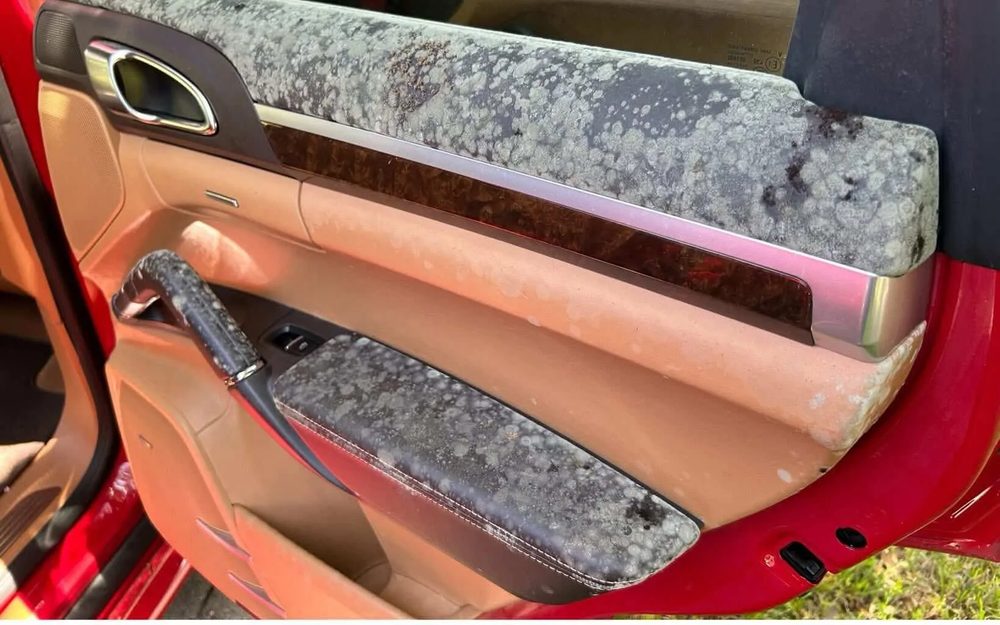
No stock photos. These are real DShine mold removal jobs across South Florida, the same 11-step process and chemistry used on every Kendall appointment.
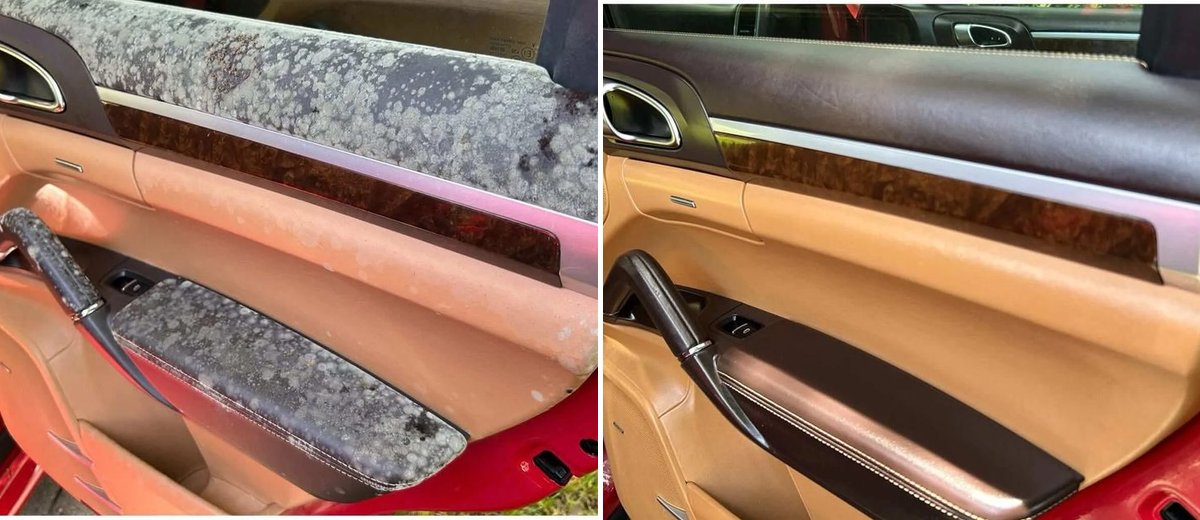
 Before
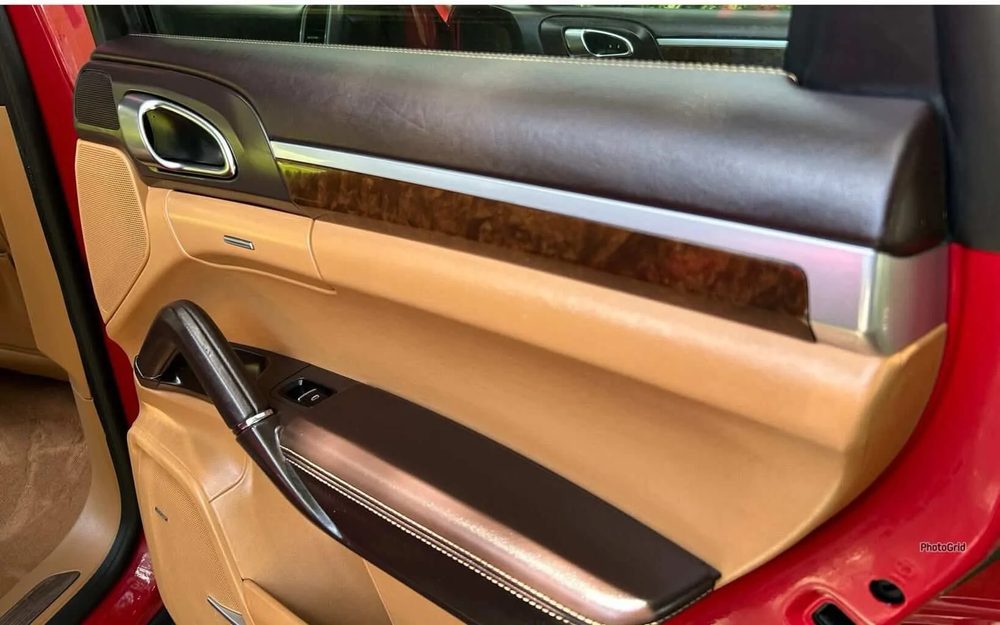 After
Porsche Cayenne — Door Panel & Armrest
Mold across the tan leather door panel and armrest, running up to the wood trim. Leather like this gets our leather-safe protocol: controlled steam and extraction, Concrobium on the surface and an ozone cycle for the cabin air, so the finish is not stripped. In a Kendall summer, a garage that stays closed all day lets humidity settle on leather that is not being touched.
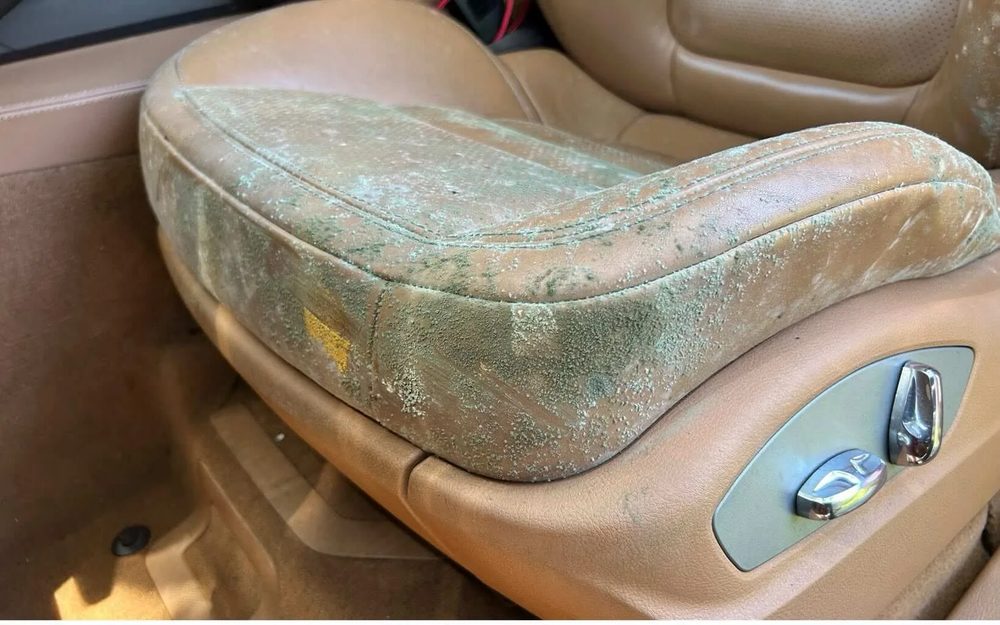 Before
 After
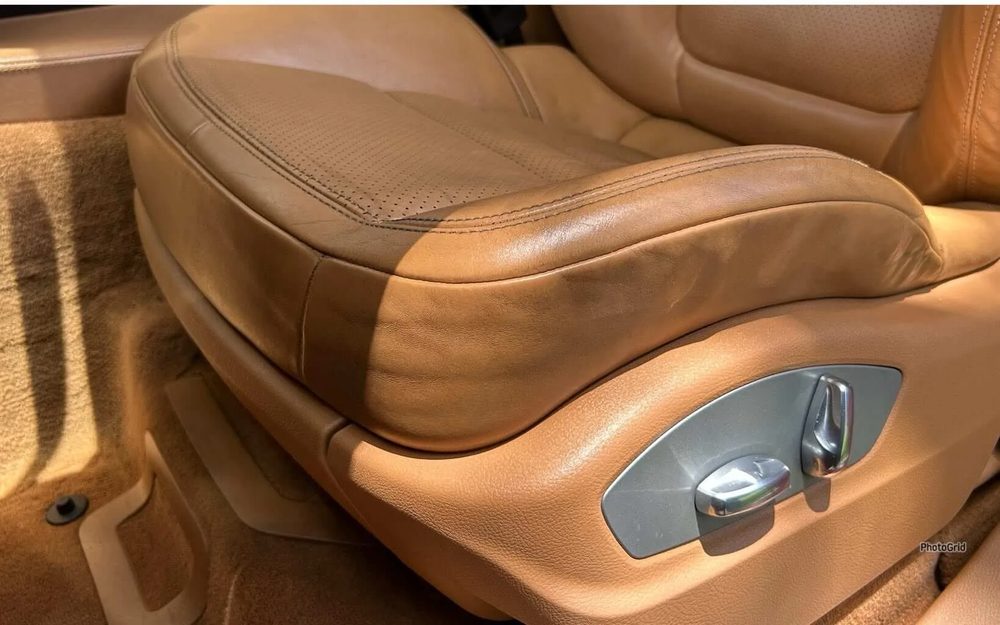
Leather Seat Bolster — Green-Blue Growth
A tan leather front seat bolster covered in green-blue mold. The bolster is where a driver slides in and out, so it takes sweat and moisture daily, and in a closed cabin the growth feeds on both. We treat the leather with steam at controlled settings, Concrobium and a conditioner. Kendall drivers who sit in long commutes see this because a car with the A/C off after the drive stays warm and damp.
 Before
 After
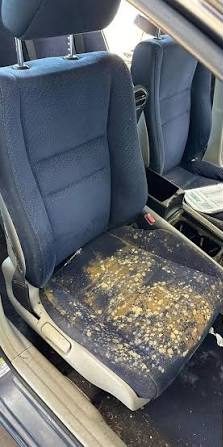
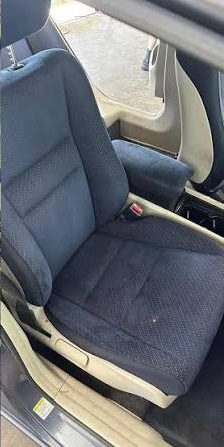
Cloth Bench Seat — Mold Staining Under the Cushion
A dark blue cloth sedan bench seat with the cushion lifted, showing tan and yellow staining on the seat bottom. This kind of residue is the sign of moisture that sat for a long time, and it is easy to miss until the cushion is moved. We extract and dry the fabric and foam, then treat with Concrobium. Families with a rarely used second car often find this hidden growth.
 Before
 After
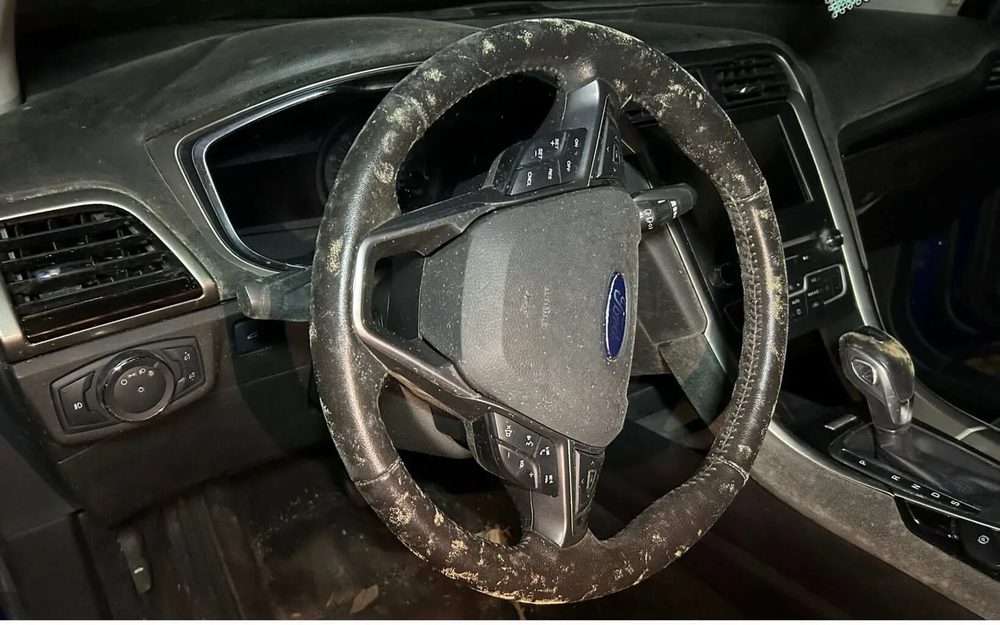
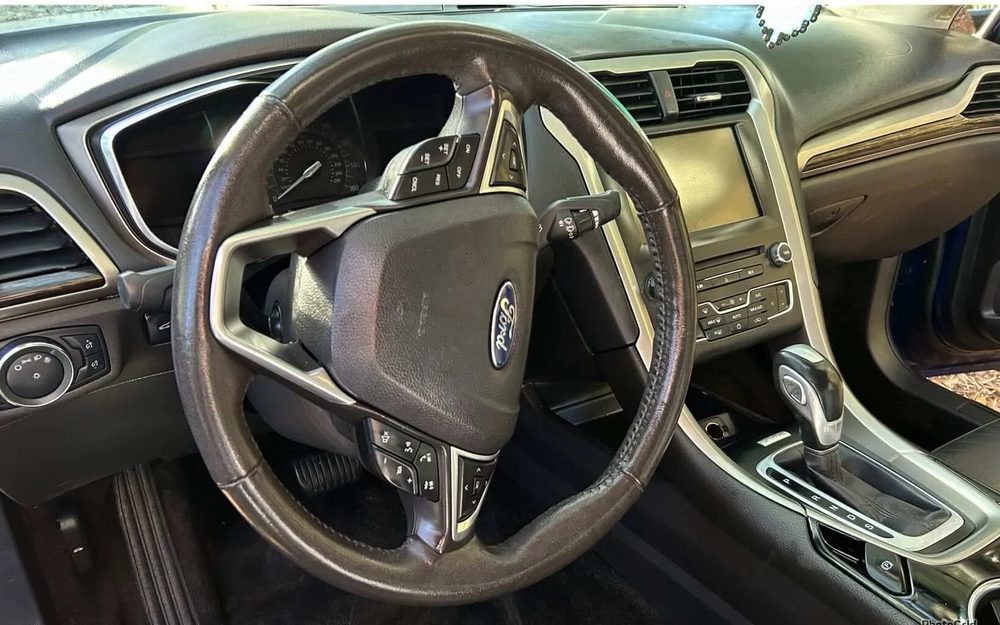
Ford Sedan — Steering Wheel, Dash & Vents
Grey-white mold bloom across the steering wheel, dash and vents of a Ford sedan. Growth on the wheel and the vents points to moisture in the whole cabin, often with the A/C involved. We vacuum, steam the hard surfaces, treat with Concrobium and clean the vent paths. In Kendall, a cabin that is closed after a commute with a wet evaporator is a classic setup for this.
 Before
 After
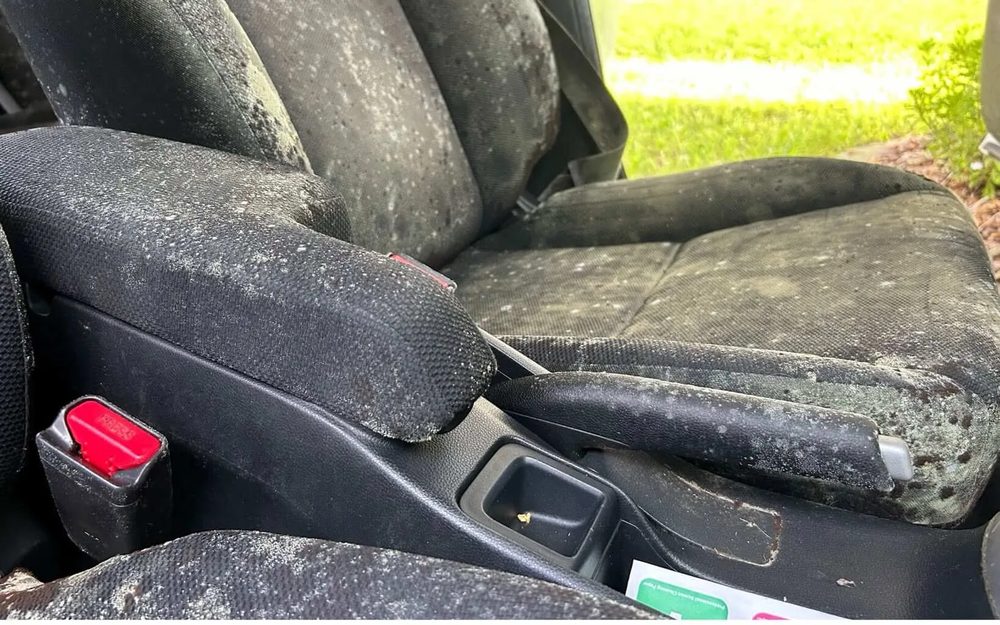
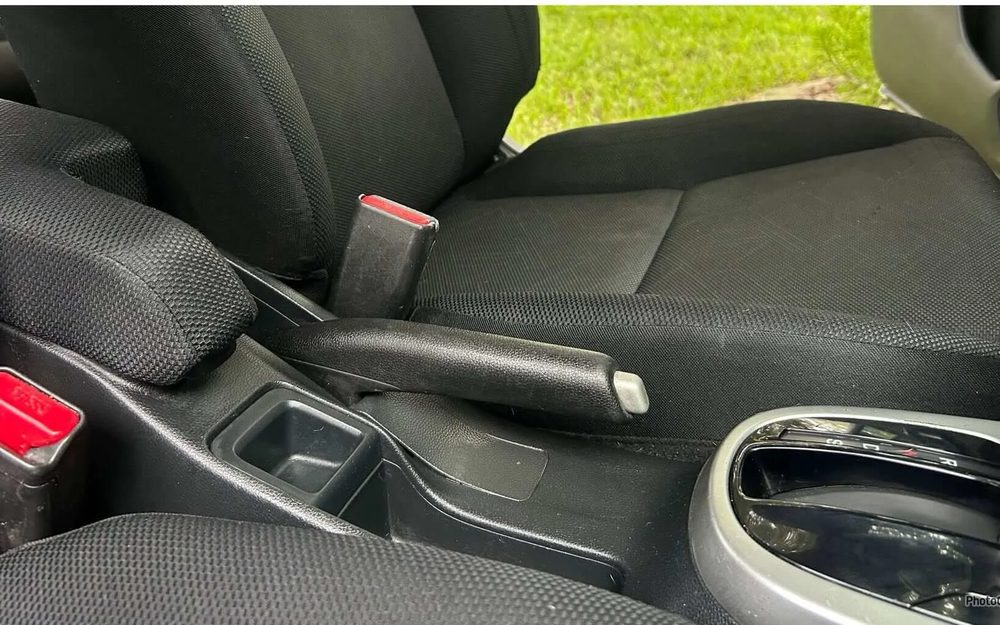
Black Cloth Seat & Console — Grey-White Bloom
A black cloth driver seat and the armrest and console, covered with grey-white mold bloom, with a green lawn visible outside the window. On dark fabric, mold shows up as a pale film, and it spreads in damp, closed cars. The treatment is HEPA vacuuming, steam, extraction and Concrobium. Kendall's green lawns come from daily summer rain, and the same rain reaches the cabin when the seals are weak.
 Before
 After
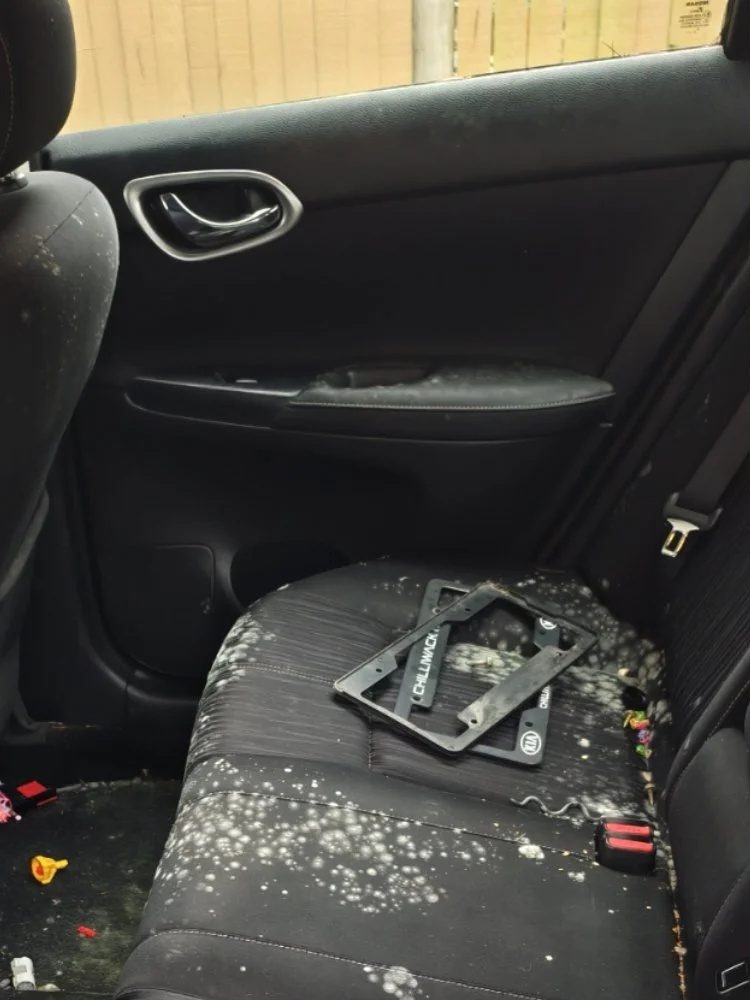
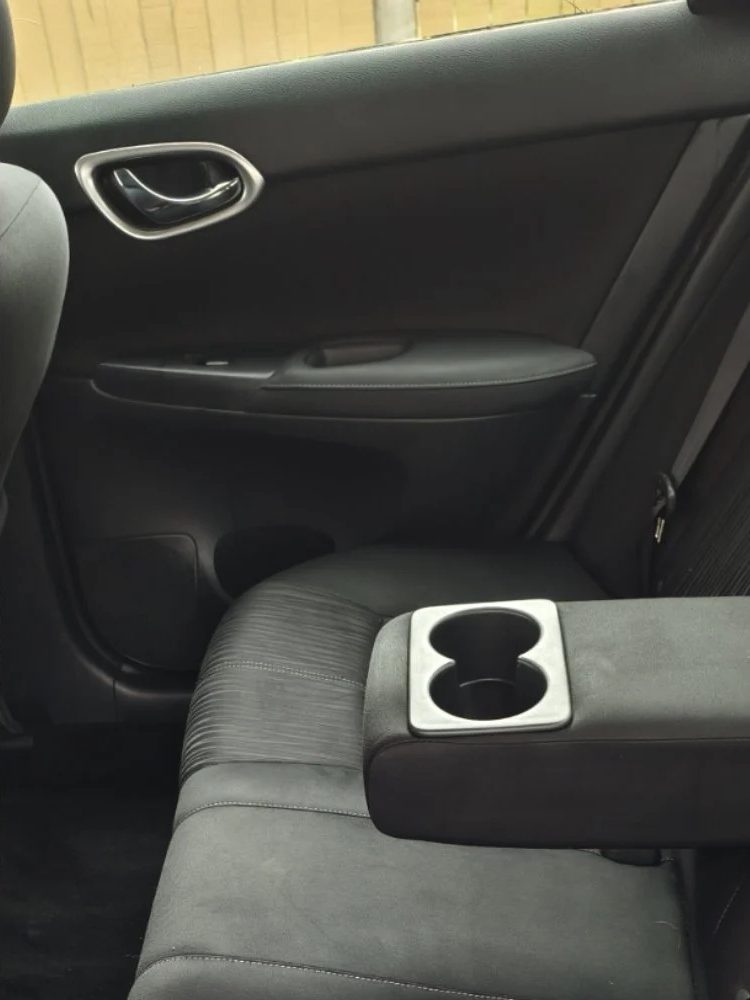
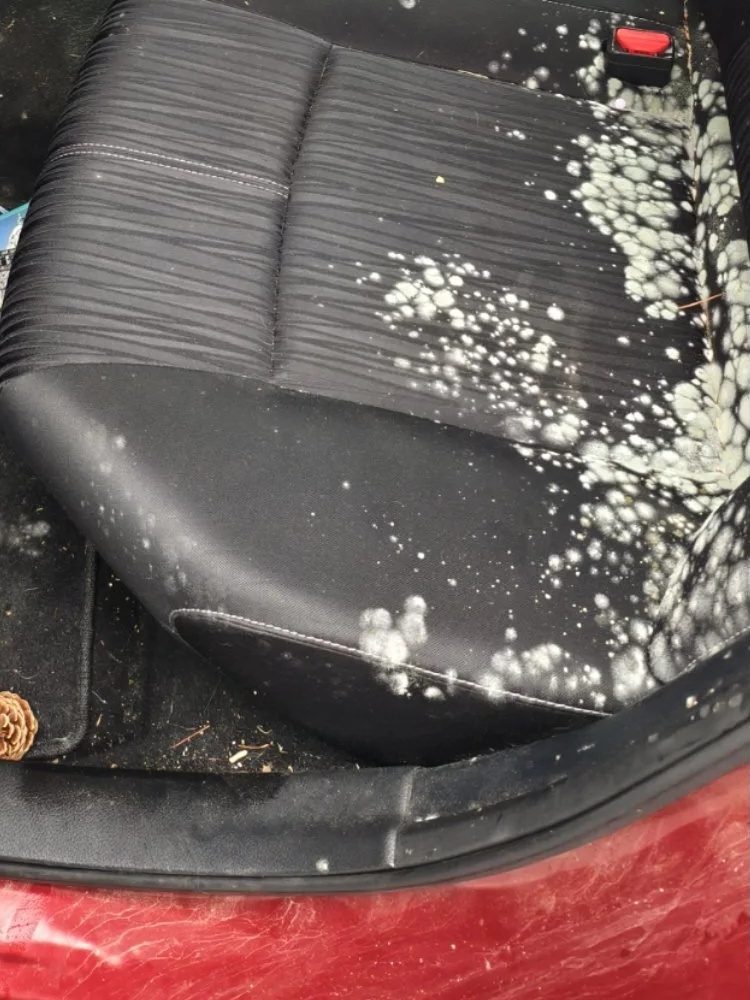
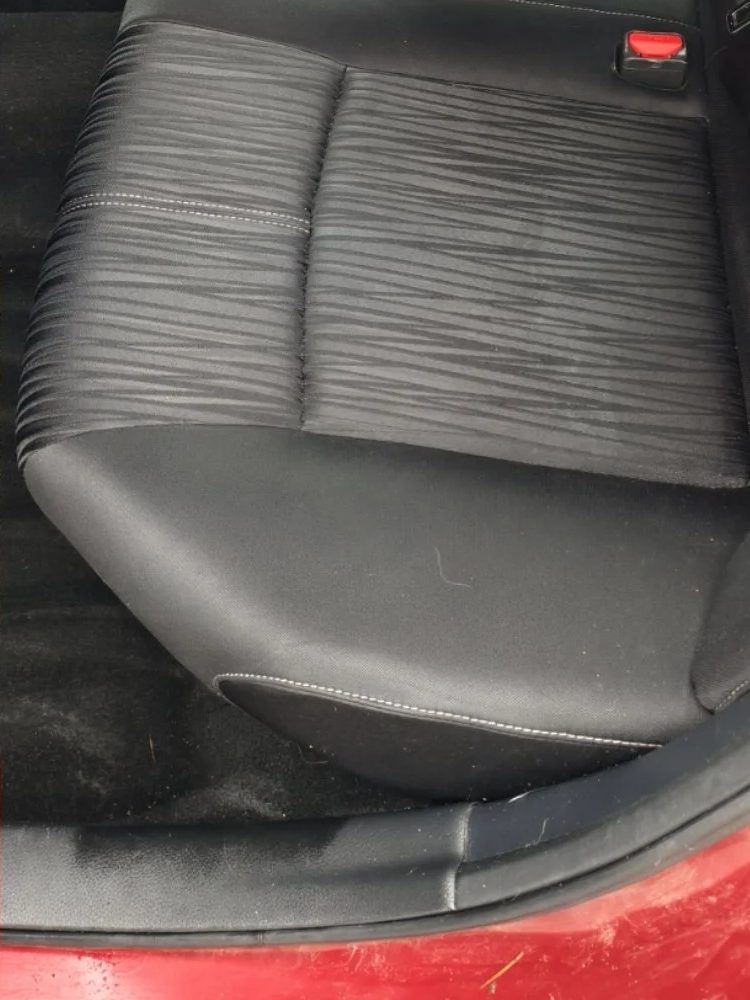
Rear Seat & Door Panel — White Spotting
A black sedan rear seat and door panel with white mold spots on the rear cushion, loose debris and a license plate frame on the seat. The back seat is the least checked part of a car, which is why growth here often goes unnoticed for weeks. We remove the debris, treat the cushion and panel, and run ozone. In a family car, the rear seat takes spills, wet gear and kids' snacks.
 Before
 After
Black Cloth Seat — White Speckling
A black cloth seat covered with fine white mold speckles, with a red car body visible below the window. Early growth looks like this: small, spread out, and easy to mistake for dust. Treated early, it is a one-area job. Left in a closed car through a wet summer, it spreads. This is the kind of thing we ask Kendall owners to look for in a second car.
 Before
 After
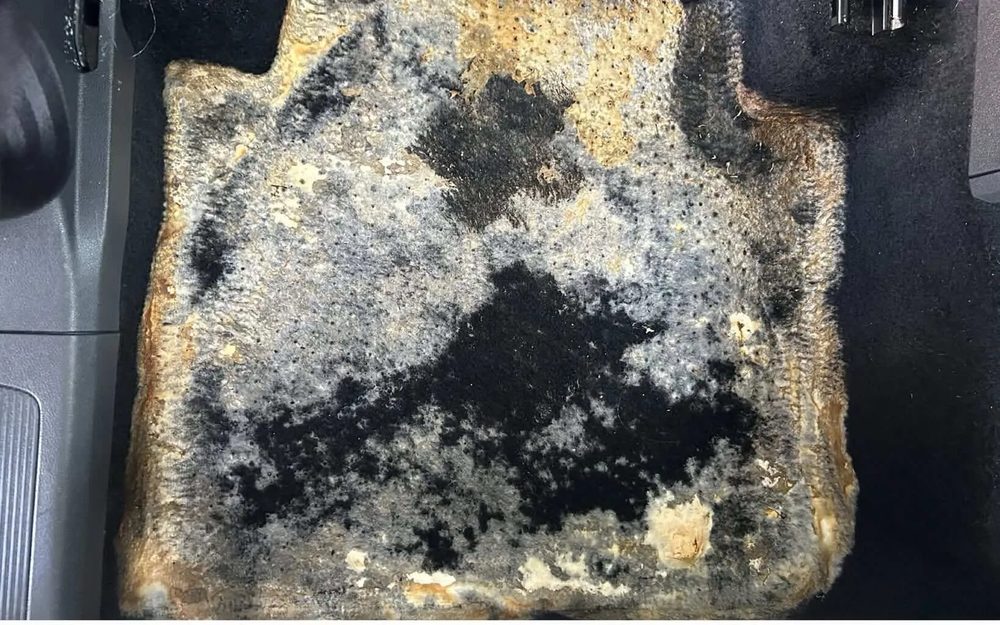
Floor Mat — Heavy Colony Growth
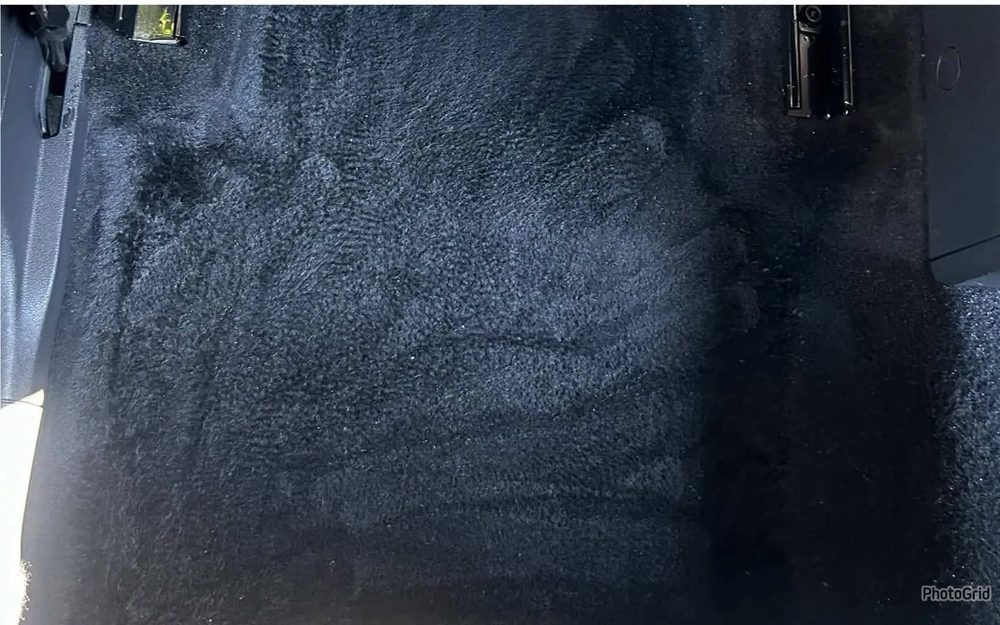
A carpeted floor mat with heavy black, brown and white mold colonies. This is the end result of a mat that stayed wet, whether from rain, spills or a damp footwell. We remove and treat the mat, then check the carpet and padding under it, because that is where the moisture usually goes next. In Kendall, wet shoes on summer afternoons are the usual source.
100% Satisfaction.
Written. No exceptions.
If the result doesn’t meet our standard, or yours, we come back and redo it at no charge. No forms to fill out, no arguing over what “counts.” The guarantee is in writing before we ever touch your vehicle.
Request Mold Removal in Kendall · From $549
Fill this in once and send it. We get your address, vehicle, and the situation all in one message, no phone tag.
Rating
Detailed
Response
Three steps from musty to fresh,
and we handle the gate, the garage and the rest.
No drop-off. No waiting. We come to Kendall.
We come to you in Kendall,
from The Falls to Country Walk.
Mobile service: home, office, condo, or marina. No drop-off, no travel fee.
Not seeing your city? Ask us — we likely cover it.
Daily summer rain, shut garages and a damp A/C evaporator,
the Kendall second-car problem.
Kendall is flat, about 7 feet above sea level, and summer rain falls on roughly 18 days a month, so a cabin that never quite dries is all mold asks for. Left untreated, what starts as a musty smell becomes a real health issue for the next person who drives the car. DShine's Concrobium Mold Control and ozone process address the cause, not just the symptom, backed by $2M insurance and a written guarantee. Mold doesn't need much to get started, any trapped moisture inside a closed cabin is enough given South Florida's humidity. The source is almost always one of four things: a clogged AC condensation drain letting water pool silently on the floor pan, a failed door or window seal letting rain in, a clogged sunroof drain, or the car simply sitting unused for two or more weeks without the AC running. Around Kendall the cause we find most often is the household's second or third car, started now and then and parked in a shut garage, so the cabin and the A/C never dry out between trips.
Kendall neighborhoods we serve,
from Dadeland to Country Walk.
Gated subdivisions, mall districts, a hospital corridor and lakeside streets: how each Kendall area changes the risk and how we work there.
The Falls — The Falls is an open-air shopping center at 8888 SW 136th Street, opened in 1980 around a landscaped lagoon with pools, waterfalls and bridges. Many cars here are parked outdoors for hours in the afternoon rain, so we usually treat them at home or work and not on the premises.
Dadeland — Dadeland Mall opened in 1962 at 7535 North Kendall Drive, and the Dadeland North Metrorail station next to it has a 2,032-space garage. Cars that sit in garages and structures for long shifts can be damp and stuffy, and we coordinate access with you instead of working in a public structure.
Kendall Town & Country — The Town & Country shopping district at 8505 Mills Drive sits near the Kendall Drive and Turnpike interchange. Its lots are ringed by townhomes, apartments and offices, and the cars here are often commuters. We treat them at your address and handle gate and visitor requirements before we arrive.
Baptist Hospital area — Baptist Hospital opened in 1960 at 8900 North Kendall Drive and anchors the busy medical corridor around it. Staff cars spend long shifts in lots in sun and rain, then go home to a closed garage. We schedule around shift times and meet you at home, where we have the space to work.
Kendale Lakes — Kendale Lakes is a community of about 8.6 square miles, with lakes and tree-lined streets, built up in the 1970s and 1980s, with ZIP codes 33175 and 33183. Older homes with attached garages, shaded driveways and lakeside lawns hold moisture longer, and we confirm driveway and street access before arriving.
Country Walk — Country Walk is a 1,280-acre deed-restricted community of six sub-associations, built by Arvida from 1978 to 1994. Gate rules vary by sub-association, so we ask for the code or guest name when you book. Garages and driveways here suit a visit of three to four hours without trouble.
Miami Executive Airport area — Miami Executive Airport opened in 1967 about 15 miles southwest of downtown Miami and is mainly a general aviation field, with flight training and a police aviation base. Nearby streets mix homes and industrial lots, and cars of pilots and staff may sit in lots for days between flights.
Don't see your area? Ask us — we likely cover it.
Kendall car mold,
the questions family drivers ask us.
Tap any topic to read the full breakdown.
Kendall is an unincorporated census-designated place of about 16.6 square miles in Miami-Dade County, bounded by US 1 on the east and Florida's Turnpike on the west, at an elevation of roughly 7 feet. The closest long-term record, Miami Executive Airport (1991-2020 normals), shows about 56 inches of rain a year, and most of it arrives in a hurry.
June through October delivers close to 38 of those inches, and from June to September rain falls on about 18 days in every month. July afternoons average 91 degrees and summer nights hold near 75, so a parked car goes from a hot, soaked afternoon to a warm, damp night with no dry stretch in between. January and February, by contrast, each average under 2 inches.
Those are outdoor numbers, and mold grows indoors. What matters for a Kendall driver is what happens when that rain-soaked air gets trapped: a shut garage, a cabin with every window up, an A/C box that was blowing cold ten minutes earlier. Mold needs only 24 to 48 hours of steady moisture to start, so the gap between a wet afternoon and a musty cabin can be one long weekend.
Kendall is a family suburb. In the 2020 Census, 28.3 percent of its households had children under 18, and the vehicles that go with that life are the ones we expect to meet: three-row SUVs, minivans and crossovers with cloth seats, kids' snacks in the cracks and cupholders that have seen a lot of spilled drinks.
The pattern that stands out is not one vehicle but a household arrangement. One car does the school run, the commute and the weekend errands. The second sits for days, started now and then to keep the battery alive, and a car like that never really warms up, dries out or gets aired. The mold we find is usually in that one.
Add the sedans of people who drive long distances to work, the cars of hospital and campus staff that spend a full shift in a lot, and the occasional older family car handed down to a teenager. Different owners, same finding: a cabin that stays damp longer than anyone realized.
Attached two-car garage: the standard Kendall layout, and a tricky one. A garage that is closed all day traps afternoon humidity, and the car in the second bay, the one that rarely moves, sits in still air for weeks. Add a damp towel, a gym bag or wet umbrella left inside and the cabin has everything it needs.
Driveway or carport: open air helps, and a car that is driven daily dries out between storms. The risk shows up when a driveway car gets a week of summer rain with a worn door seal, a sunroof drain that has backed up or a window left open a crack. Water gets in, then the closed cabin keeps it there.
Gated townhome and condo lots: common around Kendale Lakes, The Hammocks and the Dadeland corridor. Assigned spots under a tree or a carport roof stay wet after storms because shade slows evaporation, and a car left for a long weekend there can pick up musty air from the lower half of the cabin first.
Parking garages and workplace lots: concrete structures at malls, offices and the Metrorail stations are dry in the sun and humid in the shade. A car that lives in a ground-level, poorly ventilated bay can run cooler and damper than one on the open top deck, which makes the difference over months.
June to September, the wet core: this is when the cabin never gets a full chance to dry. Afternoon storms arrive on most days, door seals and sunroof drains get tested, and wet shoes or umbrellas go into the car every evening. Most of the mold we see here is seeded in these four months, even when the owner only notices it later.
October and November, the tail: rain eases but does not stop, and October still averages about 5 inches at the nearest weather station. The hurricane season runs June 1 to November 30, so these months bring one more round of storms plus the habit of moving cars around or parking them in a tight garage as a precaution.
December to April, the quiet stretch: January and February are the driest months of the year, with under 2 inches each, and cars in use tend to dry out. The risk now is a different one: the second car sitting still because the family drives the first, and a cabin that stays closed while a little moisture sits in the carpet.
May, the turn: rainfall nearly doubles from April to May, from about 3 inches to over 5. The first heavy storms often reach cars that were left standing through the dry months, which is why a musty smell around May or June is such a common call.
Kendall is built around subdivisions with their own association rules, and many have a guard house or a gate. Our job is to arrive without making your job harder, so after you book we ask for the gate code, the name the guard should have, and whether guests need a pass for the vehicle or the van that will carry our equipment.
Hospital and campus staff add another version of the same question. If your car sits in a staff lot near Baptist Hospital on North Kendall Drive, or at a college or office, the treatment can be done at your home instead, or at the lot if management allows it. We do not assume access; we confirm it with you first.
The treatment needs the car for three to four hours and a safe place to run the ozone cycle with nobody inside. A driveway, an open carport or a garage where the car can stay closed works. If your community has rules about vehicles being worked on outdoors, tell us when you book and we plan around them.
1. A damp cabin in a rarely used second car: the leading cause here. A car started once a week for the battery never gets driven long enough to dry the carpet, and the closed garage keeps the air still. We find mold on cloth seats, on the carpet near the pedals and on the lower door panels first, because that is where moisture settles.
2. A wet A/C evaporator and a blocked drain: the A/C cools air by pulling water out of it, and that water must run out under the car. If the drain clogs, or if the system is switched off the moment you arrive while the box is still wet, the vents can start to smell and the mold spreads into the cabin from there.
3. Wet gear and spills: beach towels, soccer bags, wet umbrellas, uniforms and kids' drinks. Each is a small event, but a tight cabin keeps them damp for days. We see it most on the third-row seats and in the rear footwell, where families seldom look.
4. Rain through a seal, sunroof drain or open window, or street water: summer storms in Kendall are brief and heavy, so a window left slightly open or a sunroof drain clogged with debris can put water into the cabin fast, and a car parked where a street pooled can take it in over the sill. Headliners, door cards and padding soak it up and release it slowly.
It starts with a message. Send two or three photos of the worst spots, or just describe what you see and smell, and you hear back with the likely price tier in under 2 minutes. We then go through the photos properly, and the exact price is confirmed before we load the van, so nothing about the cost changes once we arrive.
On the day we come to the driveway, garage or lot you named, with every tool on board. All you need to do is take your personal items out of the cabin. Plan on three to four hours, and expect the steps in a fixed order: inspect, HEPA vacuum, Benefect decon, deep clean, steam, extract, dry, Concrobium, ozone, Meguiar's odor bomb, final check.
Afterward you get before-and-after photos by WhatsApp, and you can look them over without standing next to the car. If you are at work or at a shift when we finish, a family member can take the keys back, and we agree on that arrangement ahead of time.
The first question is usually about the price, and the second is whether it is mold or just a smell. We answer both from your photos: $549 when the mold is in one area, $749 when it is throughout the vehicle, with travel to your Kendall address included and the exact figure confirmed before we begin.
Third comes the A/C: callers say the smell appears when the air first comes on and fades after a few minutes. That pattern points to moisture around the evaporator or a dirty cabin filter, and it is common after long commutes. We check the vents as part of the inspection rather than assuming the seats are the whole story.
Finally, families ask how soon the car is usable. After the ozone cycle the cabin is aired and finished, and the whole visit typically takes three to four hours. We never leave anyone in the vehicle during the ozone step, and you are not asked to do any prep beyond emptying the car.
Some owners add Odor Removal at $349 when a smell has soaked into fabric without any mold growing on it. That is typical of a third row or a rear footwell, where spilled milk, sports kit and fast-food bags do their own damage and the cabin needs more than a cleaning.
If a car has been through a flooded street or a storm that soaked the carpet, Flooded Car Detailing at $549 pulls water from the padding and the lower panels. It does not replace mold work. It handles the water, and the mold treatment handles what the water left behind.
A few clients ask for a fuller interior detail so cloth, trim and the headliner match the treated areas. We tell you which add-ons are worth the money and which are not, and each one is priced before we start, so the photos can be reviewed alongside the quote.
The first sign is often not an odor. Look for white or grey dust in the seams of the seat, a faint fuzz in the cupholders or on the steering wheel and shifter, or a dark speckling in the corners of the carpet. Cloth seats tend to show it as small pale spots before they smell.
Windows that fog from the inside on a clear day, a sticky feeling on the leather and a damp patch under the floor mat all mean moisture is staying in the cabin. In a Kendall summer, when the air outside is already near saturation, those signs can appear within days of a missed window or a wet gym bag.
In the A/C, a musty first blast that clears in a minute, or a sour edge when the air first comes on, is worth acting on. It does not mean the car is ruined; it means the evaporator or the cabin filter is holding moisture. The earlier you call, the smaller the job and the lower the tier.
The idle pattern in Kendall is not a long trip away. It is a car that stays put for a week or two because the household has another one: a teenager's car between semesters, a spouse's car while they travel for work, a spare for the weekend. The same few habits cover all of those.
Start the car and let it run with the A/C on for at least 15 to 20 minutes every week or so, and park it with the windows fully closed in a spot that gets a little airflow. A short start that barely warms the engine does not dry the cabin; a longer drive with the vents open does.
Before it sits, take out wet items, wipe up spills, dry the floor mats if they are damp, and run the fan for a minute with the A/C off at the end of a drive so the evaporator can dry. A small desiccant bag helps in a closed garage, though it does not replace airflow.
In a suburb where most families own two or three vehicles, it is common to find that one car has mold and another is just beginning. When you book, tell us about both. It is easier and often more efficient for us to inspect the second one while we are at your address than to come back later.
Each vehicle is priced on its own, since the spread of mold is different in every car, and we will not combine them into a single number that you cannot check. You get a separate photo review and a separate before-and-after set for each, so you can see what was done to which car.
If the household shares a driveway and a work schedule, we can plan around whichever car is needed first. The visit for one vehicle typically runs three to four hours, and we tell you in advance if a second car would need a longer window rather than squeezing it in.
The promise is simple and in writing: 100 percent satisfaction for 30 days. Should mold or mold odor return within that month, we come back and re-treat the car at no charge. You do not need to argue the point or prove a cause; you send a message with a photo and we book the return visit.
A return in Kendall almost always traces to water still getting in. The usual suspects are a sunroof drain packed with leaves, a door seal that has hardened after years of summer sun, or an A/C drain that no longer clears. Because we flag these at the inspection, you know what to ask a shop to fix and we have photos of what we saw.
What the guarantee does not cover is a fresh soaking, such as a window left open through an August storm after we have left. That is a new water event and a new job. Being straight about the line now is better than a disagreement later, and the guarantee is worth more because it has a clear edge.
Large parts of Kendall were built up in the 1970s and 1980s, and a car handed down from parent to teenager is often more than ten years old. On an older car the seals can be hard and cracked in places, and the carpet padding and headliner foam are old enough to hold water far longer than newer materials.
So we slow down. We test steam and cleaner on a hidden spot first, because aged fabric can fade or shrink if it is pushed too hard, and we adjust pressure and dwell time to suit. The aim is to clear the mold without changing a finish you have lived with for years.
A work car that spends the day in heat, such as a delivery or service vehicle, usually has its mold in the floor, the door pockets and the seat bases. We tell you what we see and what is realistic for a car of that age before we begin, rather than promising a new-car result.
Take everything damp out of the car: towels, uniforms, umbrellas, sports gear and food wrappers. Wipe the cupholders and the door pockets, and shake out the floor mats. If anything was wet, dry it outside in the sun before it goes back in.
Check that the sunroof is fully closed and that the drains are clear, and make sure every window is fully up. A window cracked open for ventilation feels harmless on a dry afternoon, but a single Kendall summer storm can put a lot of water through a few centimeters of gap.
At the end of the last drive, switch the A/C compressor off a couple of minutes before you arrive and let the fan run so the evaporator can dry. Then park, close up and leave the car where it gets some air movement. These five minutes cost nothing and prevent most of what we get called for.
Mold begins within 24 to 48 hours of steady moisture, and the difference between a small patch and a spread across the cabin is often a few weeks of summer. The cost tiers reflect that: $549 when the mold is in one area, $749 when it is throughout the vehicle.
Waiting also means more surfaces. Mold on a seat bolster can move into the foam, mold on the carpet can move into the padding, and what starts at the floor can reach the lower door panels and the headliner. The wider it goes, the more of the 11 steps do real work and the harder the cabin is to restore.
In a family car, there is a health and comfort cost too: kids ride in the back, and the A/C blows air across whatever is in the cabin. If you see growth or smell it, call sooner rather than later. A quick photo and a message gets you the price tier in under 2 minutes.
Kendall Drive is about 13 miles long and crosses the Turnpike and several expressways, and many residents drive far beyond it to work. A long drive with the A/C on is good for the cabin, because the system dries the air. The problem starts at the very end of the trip, when you switch it off while the evaporator is still wet.
The evaporator sits behind the dash and runs cold and wet during the drive. If the car is parked in a closed garage straight away, that moisture stays in a dark, warm box with the fan off. The next morning the first blast carries a musty edge. This is common in cars that drive in with the A/C at full cold and park right away.
A simple habit helps: turn the A/C off a couple of minutes before you arrive, leave the fan on, and let the car breathe. If the smell is already there, we check the vents and the cabin filter during the inspection and treat the cabin so the smell is not just masked.
There are two tiers and nothing hidden. When the mold sits in one area, one seat, one door panel or the carpet of a single row, Car Mold Removal is $549. When it has spread throughout the vehicle, it is $749. Driving out to your Kendall address costs nothing extra in either case.
To pick the tier, we ask for photos or a plain description, and the likely answer arrives in under 2 minutes. A closer look at the photos then fixes the exact figure, and that confirmation is made before work starts, so you have the number in hand while the car is still in your driveway.
Sometimes the car turns out worse than the photos suggested. If that happens we stop, show you, and let you decide, instead of adding it to the bill. Extras like an interior detail or odor treatment are explained and priced first, and you can decline them without any awkwardness.
Kendall is a flat, rainy suburb of families with more than one car, and the car that gets mold is usually the one that moves least. The ingredients are daily summer rain, a garage that stays closed, and a cabin or A/C evaporator that never gets the chance to dry.
We come to your address with travel included. Mold in one area is $549, mold throughout the vehicle is $749, and we confirm the exact figure from your photos before any work begins. A typical visit lasts three to four hours, and the work happens wherever the car lives, whether that is a driveway behind a gate, a condo space or an office lot.
Expect 11 steps built around Concrobium and ozone, from an IDA-certified team with $2M in liability insurance. A written 30-day satisfaction guarantee stands behind it, and the finished car comes with before-and-after photos on WhatsApp.
By the time we reach ozone, the cabin has been vacuumed, steamed, extracted, dried and treated with Concrobium Mold Control. We then close the car up and run an ozone generator inside it. Ozone is a gas, so it travels where a cloth or a sprayer cannot, through the vent ducts, into the seat foam and behind the trim panels.
Nobody stays in the vehicle while it runs, and we ask that people and pets stay away from the car until it has been aired out. At a Kendall house or lot this is easy to arrange: the car sits closed, the machine works and we carry on with the rest of the job.
When the cycle ends we open the doors, let the cabin air through and finish with the Meguiar's odor treatment and the last inspection. The goal is a neutral, clean smell, not a heavy perfume laid over the problem, and we tell you plainly if anything about the cabin still looks wrong.
Quick answers
before you book in Kendall.
Add-ons Kendall clients book
Still deciding? Read: the complete mold removal guide · does insurance cover it? · why DIY mold removal fails.
Mold in your Kendall car? Get a price in 2 minutes.
Serving Kendall and all of Miami-Dade County. Fixed pricing, no travel fee. We confirm in under 2 minutes.
It Might Just Be an Odor Problem
If there's no visible mold growth yet, the smell alone is usually an Odor Removal Detailing case ($349 flat) — faster than full mold remediation ($549–$749). See which one matches what you're dealing with: