What a Tamarac Mold Job Includes
This is not a car wash. Car Mold Removal uses Concrobium Mold Control treatment, pH-balanced products, and machine assistance, the same process used in pre-sale preparations for luxury dealerships.
Why it matters for your health: Mold in a vehicle is a different exposure than mold on a wall at home. With the AC recirculating, everyone inside is breathing concentrated spores for the length of the drive. The EPA and CDC both link mold exposure to respiratory irritation, allergic reactions, headaches, and worsened asthma symptoms. Children, older passengers, and anyone with a compromised immune system typically react faster and more severely than a healthy adult would. By the time the smell is noticeable, spores have usually already spread through the HVAC system into every vent in the cabin.
Curious what actually happens during the visit? Tap through our real 11-step process below to see what we do at each stage and why it matters.
What every Tamarac car gets, start to finish
Most detailers in Tamarac charge less. Here’s exactly what you gain — and what you risk — with each choice.
| DShine DetailsFrom $549 · travel included | Avg Tamarac Detailer$149 – $199 | |
|---|---|---|
| Industry certificationsIDA, Koch Chemie, Meguiar’s, 3M, Symplex, XPEL | ✓6 verified | —0 credentials |
| $2M liability insuranceWe cover any damage — in writing | ✓ | —Often uninsured |
| Deionized water systemZero mineral residue, no water spots | ✓ | —Tap water, water spots |
| Fresh microfibers per vehicleNo cross-contamination between jobs | ✓ | —Shared towels, swirl risk |
| Mold-specific chemistry onlyConcrobium, Benefect & Meguiar’s, no harsh acids | ✓ | —Industrial degreasers |
| Before & after photosSent via WhatsApp on completion | ✓ | —No documentation |
| 100% written satisfaction guaranteeReturn & redo at no cost if unsatisfied | ✓ | —No written guarantee |
| Travel to your address — $0Home, office, condo — no drop-off | ✓ | Sometimes adds fee |
DShine vs. any other detailer
in Tamarac, Broward County
Three things most detailers won't tell you. We put them in writing.
 Since 2018
With more than 20 years of hands-on experience in the automotive care industry, Evelio launched DShine Details in August 2018 with one van and zero shortcuts. For the first six months he slept in the van to keep costs down and standards up. Today DShine runs 7 certified vans across Miami-Dade, Broward, and Palm Beach, and the commitment hasn't changed. Every vehicle is treated as if it were his own.
What clients say
in their own words.
Before & After: Mold Removal We've Actually Done
No stock photos. These are real DShine mold removal jobs across South Florida, the same 11-step process and chemistry used on every Tamarac appointment.
 Before
 After
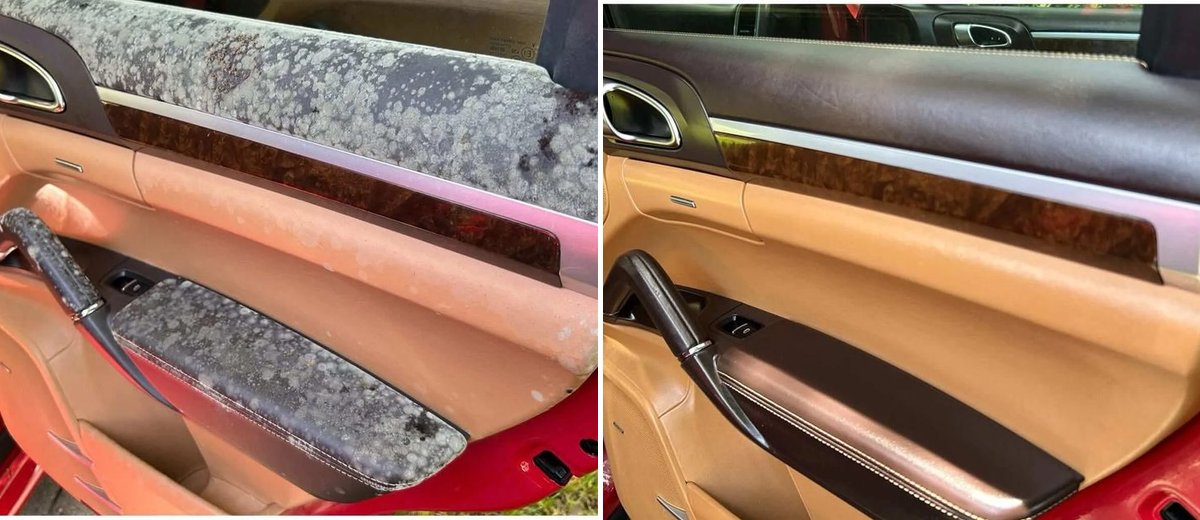
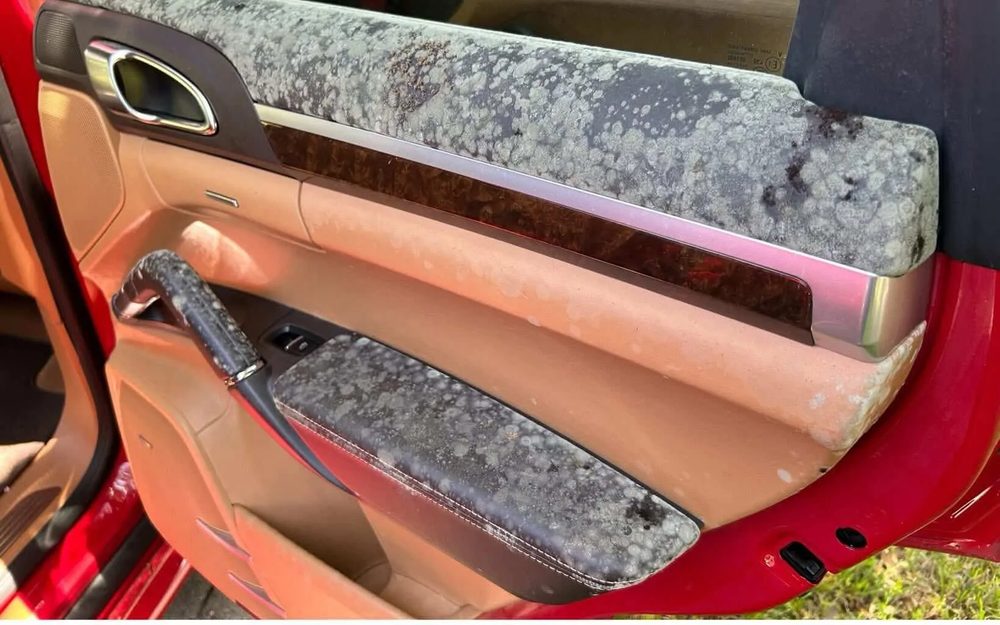
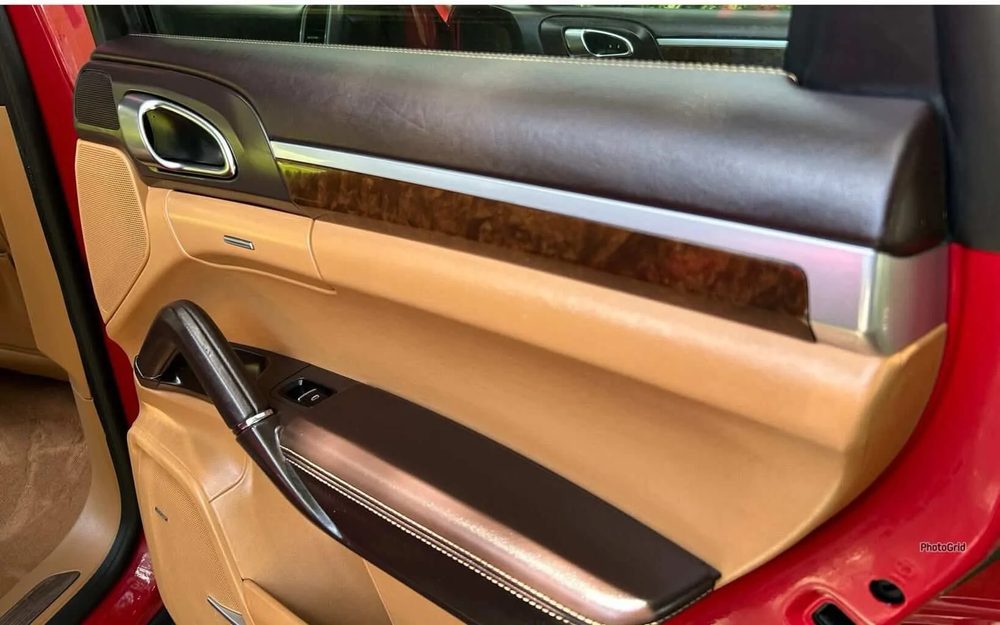
Porsche Cayenne — Door Panel & Armrest
Mold spread across the tan leather door panel and armrest, right up to the wood trim. Leather like this gets the leather-safe protocol: steam and extraction at controlled settings, Concrobium on the surface, then ozone for the cabin air, so the finish is not stripped. A pattern like this is common in Tamarac in a car that is driven briefly and then left closed, because leather holds humidity against itself.
 Before
 After
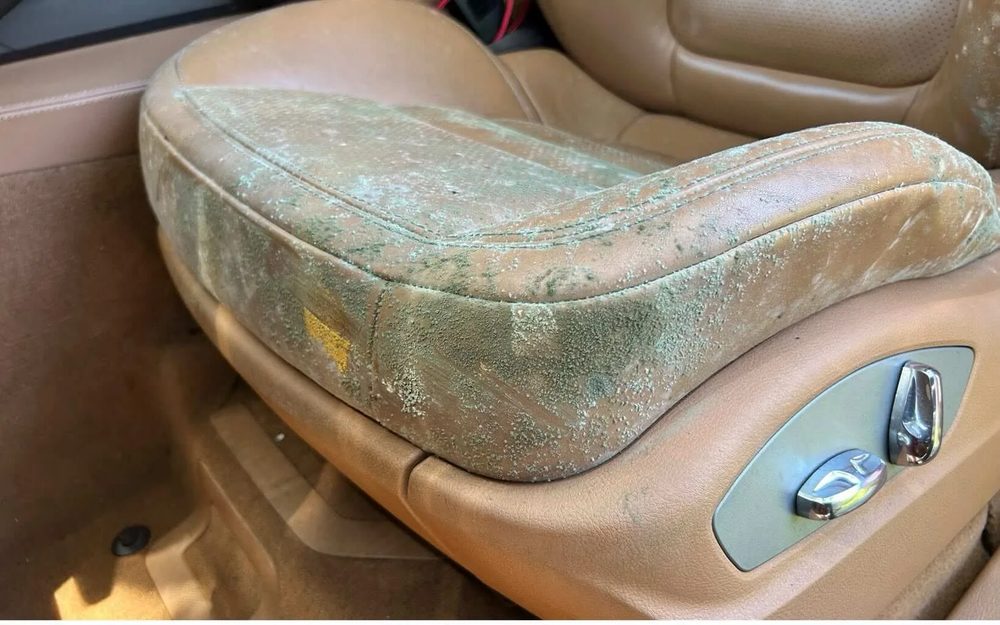
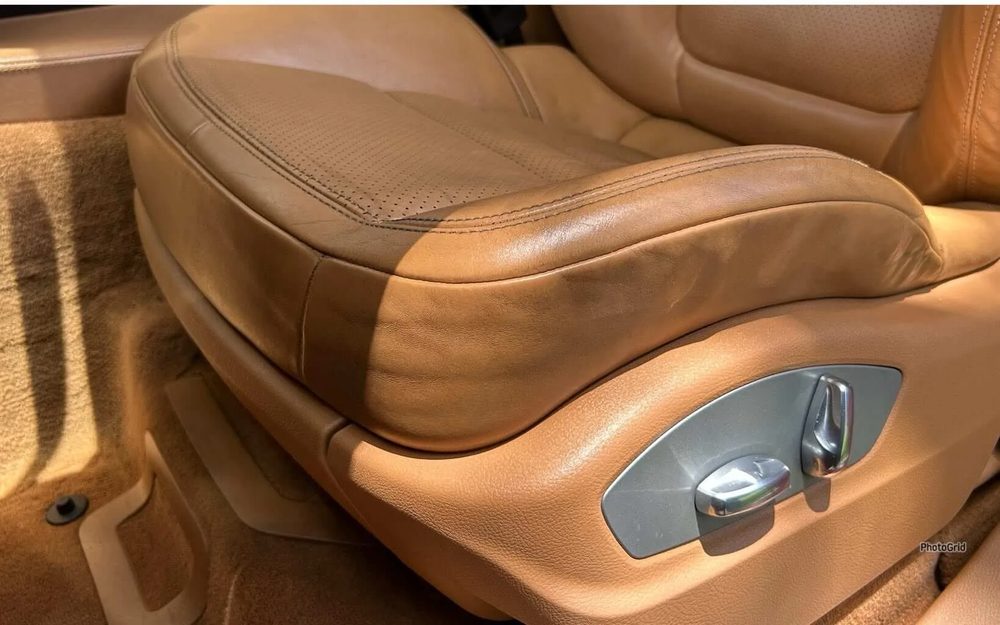
Leather Seat Bolster — Green-Blue Mold
A tan leather front seat bolster covered in green-blue mold, the kind of growth that spreads where a driver slides in and out. Treatment starts with a gentle, leather-safe antimicrobial application, with no hard scrubbing, and the sealed ozone cycle handles the cabin air. In Tamarac this tends to follow weeks of short trips with the windows up, when the seat never gets a chance to dry.
 Before
 After
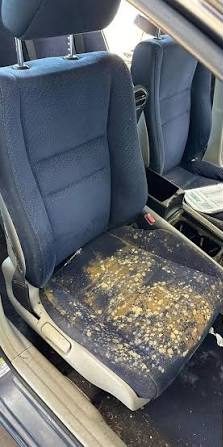
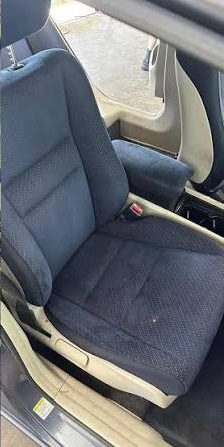
Cloth Bench Seat — Mold Stain Underneath
With the cushion lifted on a dark blue cloth sedan bench seat, tan and yellow mold-stain residue shows on the seat bottom. This is the hidden side of mold: it grows where air does not move, so it is often worse than the surface suggests. Steam and extraction pull moisture out of the foam, then Concrobium and ozone finish the job. Tamarac's weekly-drive cars often hold moisture this way.
 Before
 After
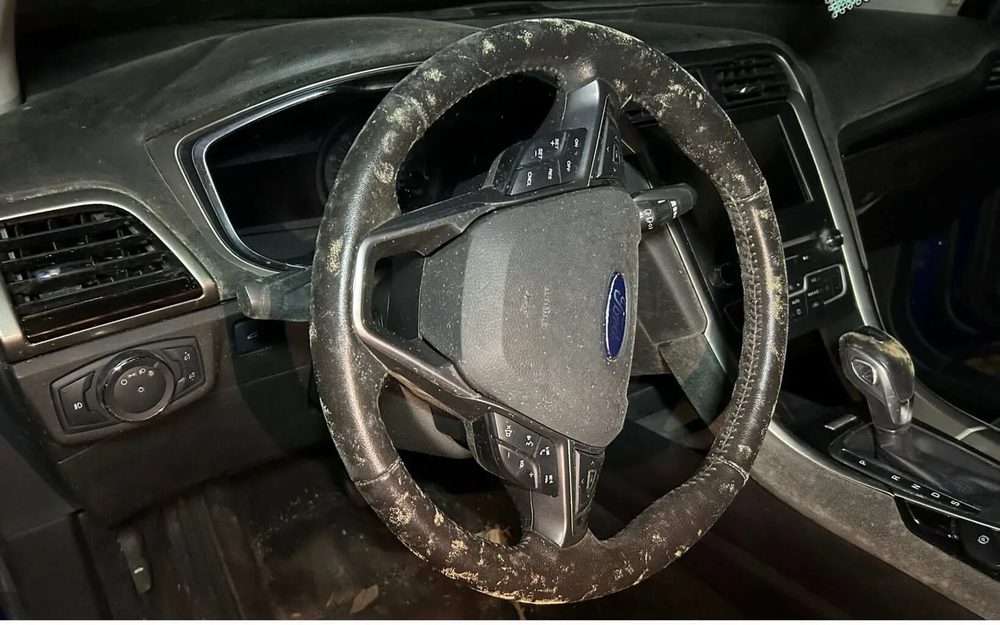
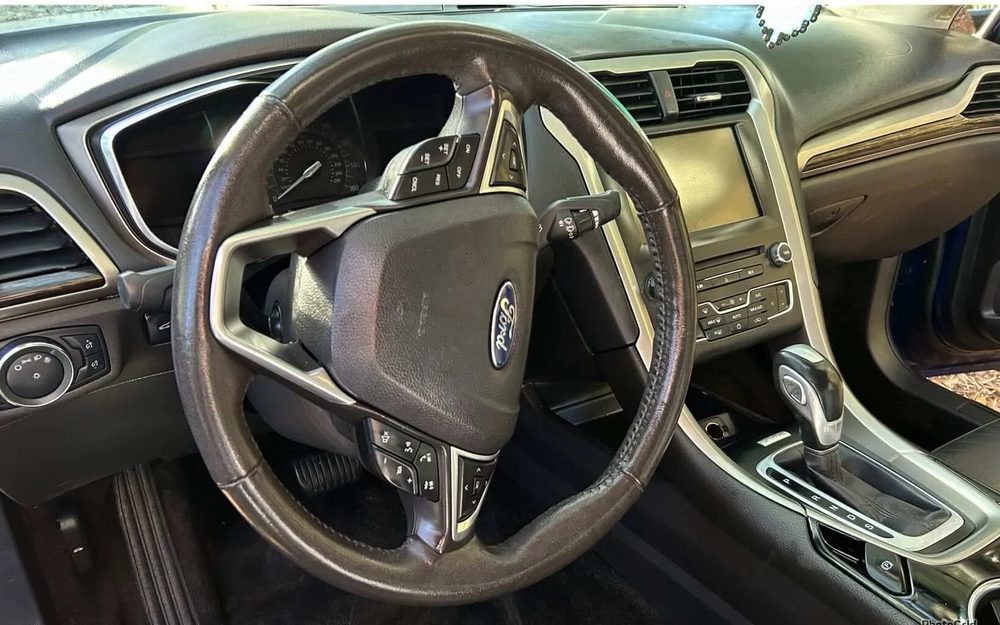
Ford Sedan — Steering Wheel, Dash & Vents
Grey-white mold bloom across the steering wheel, dashboard and vents of a Ford sedan, which is a sign the whole cabin air has been humid, not just one spot. Treatment covers every plastic and rubber surface, steams the vent areas where mold can settle, and finishes with a sealed ozone cycle. In Tamarac, a car used lightly and then closed for days is the usual setting for this look.
 Before
 After
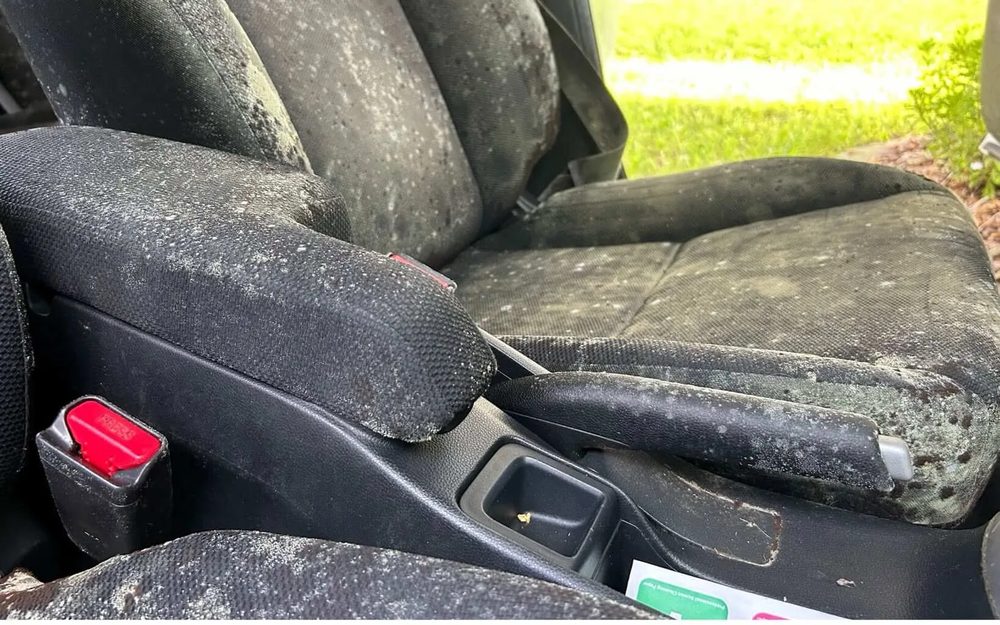
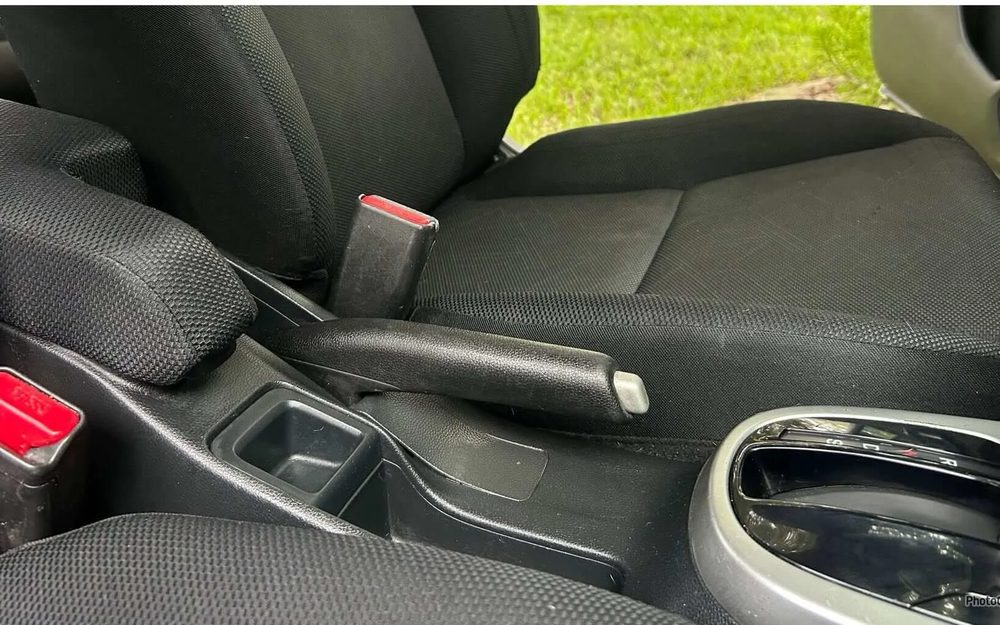
Black Cloth Seat & Console — Grey-White Bloom
A black cloth driver seat, armrest and console with grey-white mold bloom, with a green lawn visible through the window. Dark cloth hides early growth, so by the time it shows like this, the foam underneath is usually involved. We steam and extract, apply Concrobium and run ozone. In Tamarac, a car left on a driveway or at the curb beside a lawn is exposed to damp air from the grass and sprinklers.
 Before
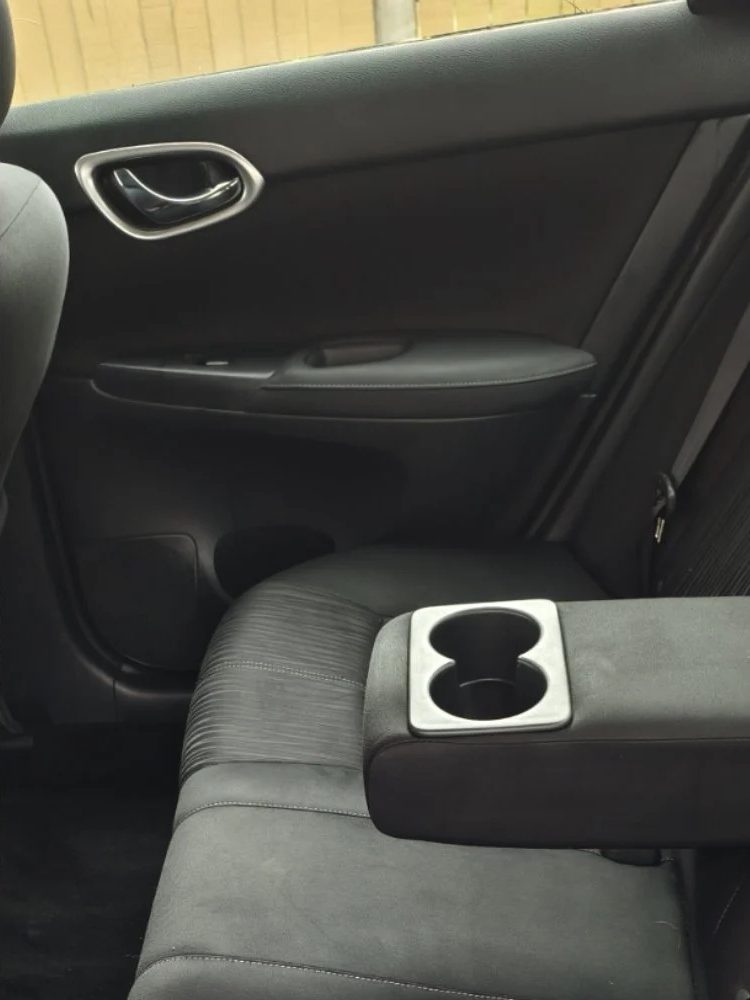 After
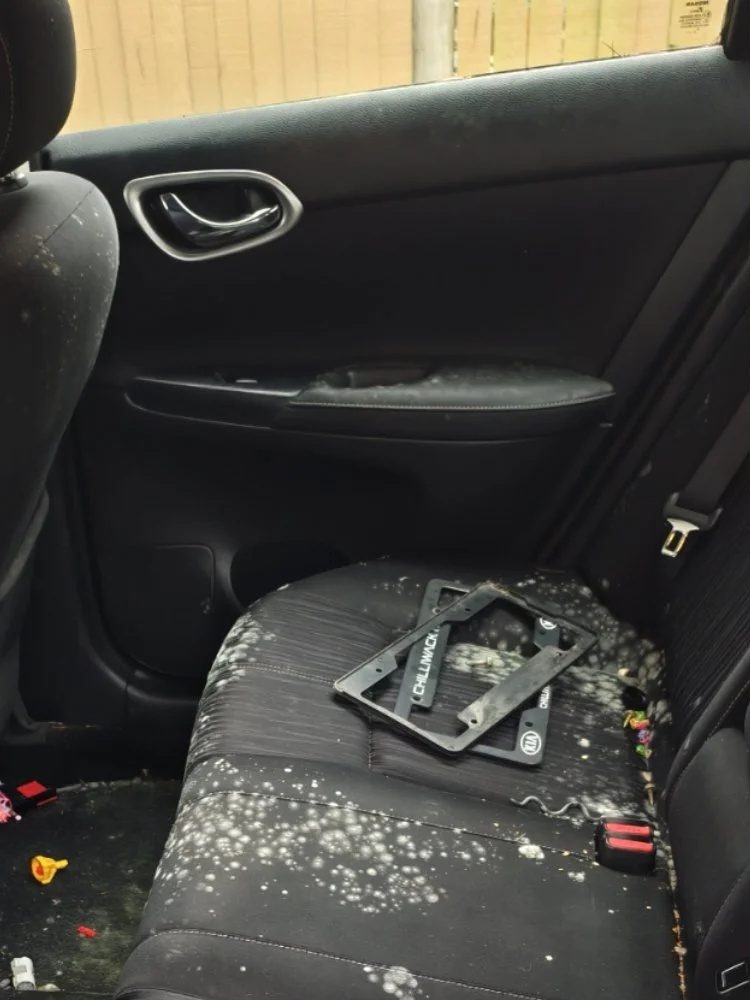
Black Sedan Rear Seat — White Mold Spots
White mold spots across the rear cushion of a black sedan, with the door panel nearby and loose debris and a license plate frame on the seat. Rear seats of seldom-used cars often go untouched for weeks, so growth runs unchecked. We clear the debris, steam and extract, then treat with Concrobium and ozone. In Tamarac, a back seat used mostly to hold bags is a common place for this pattern.
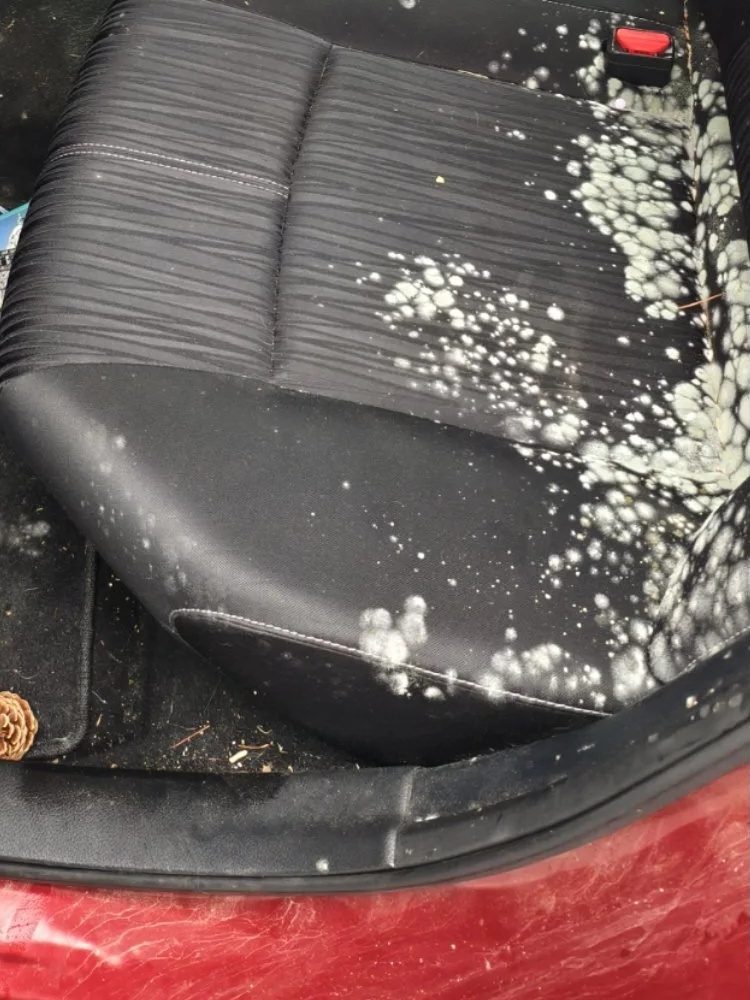 Before
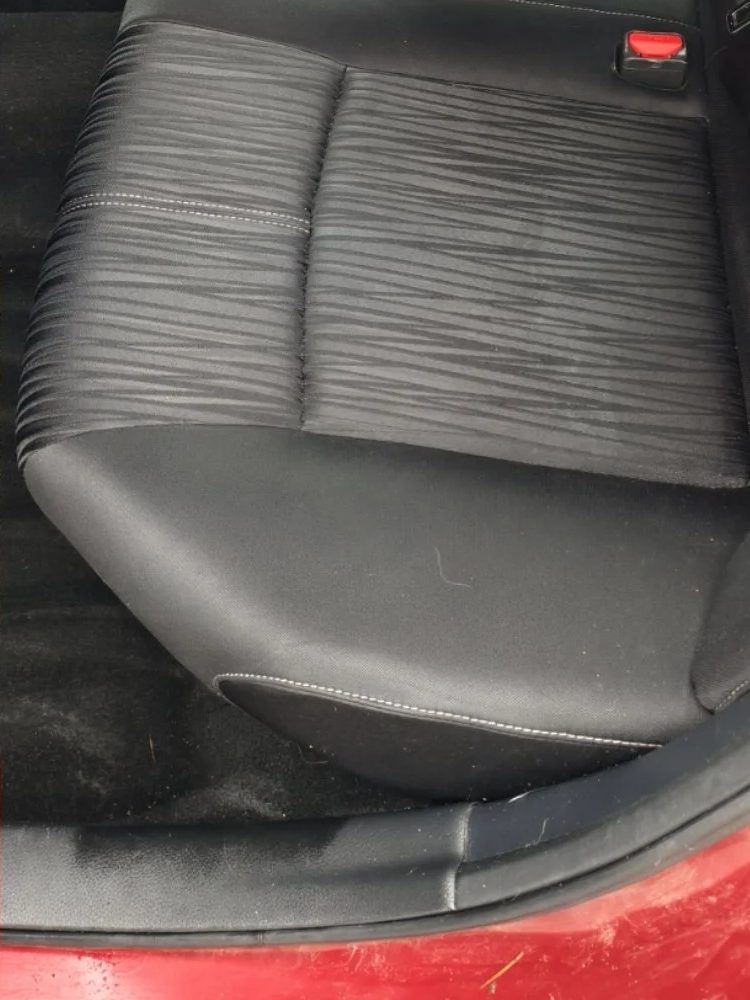 After
Black Cloth Seat — White Speckled Mold
A black cloth seat with fine white mold speckles, and a red car body visible below the window. Speckling like this is often an earlier stage, when the growth is still on the fabric surface and prompt treatment keeps the job small. We steam, extract and treat with Concrobium, then run ozone for the air. In Tamarac, these early signs are easy to miss in a car driven only once a week.
 Before
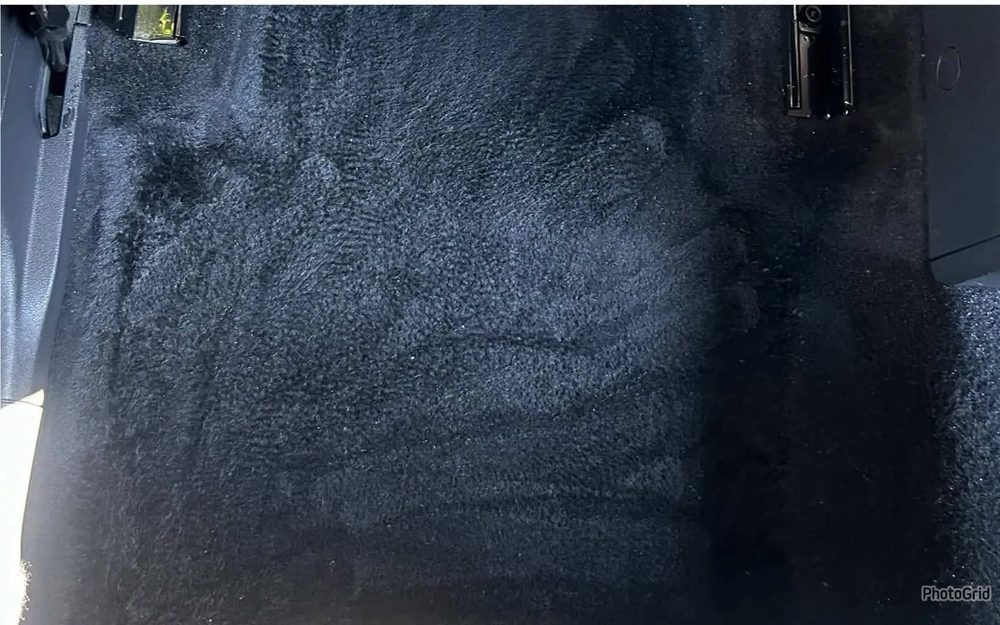 After
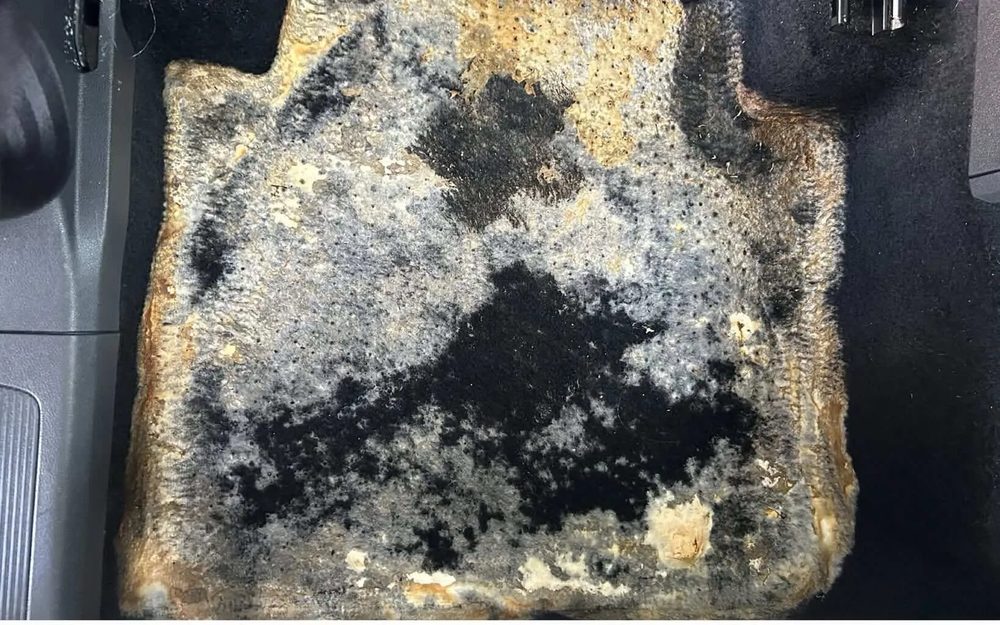
Carpeted Floor Mat — Heavy Colony Growth
A carpeted floor mat with heavy black, brown and white mold colonies, the kind of growth that follows standing moisture. Carpets and padding go through steam, extraction and deep drying, then Concrobium, and ozone reaches what a surface treatment cannot. In Tamarac, wet umbrellas, damp shoes and the occasional clogged A/C drain are the usual sources, especially in a car that is rarely driven long enough to dry.
100% Satisfaction.
Written. No exceptions.
If the result doesn’t meet our standard, or yours, we come back and redo it at no charge. No forms to fill out, no arguing over what “counts.” The guarantee is in writing before we ever touch your vehicle.
Request Mold Removal in Tamarac · From $549
Fill this in once and send it. We get your address, vehicle, and the situation all in one message, no phone tag.
Rating
Detailed
Response
Three steps from a musty cabin to a fresh one,
even if the car only leaves the lot once a week.
No drop-off. No waiting. We come to Tamarac.
We come to you in Tamarac,
from Kings Point lots to Woodlands driveways.
Mobile service: home, office, condo, or marina. No drop-off, no travel fee.
Not seeing your city? Ask us — we likely cover it.
One short drive a week, six days sealed shut,
the rhythm that fills a Tamarac cabin with moisture.
Tamarac sits about 3 feet above sea level, and a car that makes one short trip a week spends the other six days sealed up with whatever moisture came in on the last drive. Left untreated, what starts as a musty smell becomes a real health issue for the next person who drives the car. DShine's Concrobium Mold Control and ozone process address the cause, not just the symptom, backed by $2M insurance and a written guarantee. Mold doesn't need much to get started, any trapped moisture inside a closed cabin is enough given South Florida's humidity. The source is almost always one of four things: a clogged AC condensation drain letting water pool silently on the floor pan, a failed door or window seal letting rain in, a clogged sunroof drain, or the car simply sitting unused for two or more weeks without the AC running. In Tamarac that first cause is the one we meet most: short drives that never dry the cabin, then days of closed windows, with damp items and a quiet A/C drain adding water between trips.
Tamarac neighborhoods we serve,
from Kings Point to Southgate Boulevard.
From Kings Point condos to Woodlands driveways, here is how each Tamarac area shapes mold risk and how we work there.
Kings Point — A gated 55-plus community of about 4,869 condos, villas and coach homes. Condos sit in two- to four-floor buildings with lot parking, while villas and coach homes have attached garages. We arrange guard-house access and a space or garage plan ahead of time, so the appointment starts on schedule.
Woodmont — West of University Drive and north of McNab Road, built around a golf course and made up of 33 communities, with newer single-family homes added where the Pines course once ran. Driveways and garages vary by section, so we confirm access and where the car will sit during ozone with you first.
The Woodlands — A country club community created in the 1960s, with single-family homes, condos and townhomes around an 18-hole golf course. Older homes with driveways and attached garages give us room to work, but a second car that is seldom driven is the one that usually needs treatment.
The Mainlands — A large residential area of single-family homes on zero lot lines, with Mainlands Park on Monterey Drive. Short driveways and tight spacing between homes mean the car is often parked close to a lawn and sprinklers, so we check seals and carpet edges first for damp that has crept in.
University Drive — A busy north-south corridor with condos, shops and city facilities such as the Tamarac Park Recreation Center and the Multi-Purpose Center. Cars here are often parked in shared lots, so we confirm the space, ask about vendor rules and keep the car clear of foot traffic during the ozone step.
Commercial Boulevard and Colony West — Home to the Tamarac Community Center on West Commercial Boulevard and City Hall and Colony West Golf Club on Northwest 88th Avenue. Cars parked at work, a club or a nearby residence all get treated at their own address, and we coordinate access with whoever manages the space.
Southgate Boulevard — A parkland stretch with Veterans' Memorial Park, Gary B Jones Park for People and Pups, Tephford Park and the Southgate Boulevard Linear Park. Cars here often sit near open lawn and parkland, where damp from watering and storms is a real factor, and we treat them at the owner's own address.
Don't see your area? Ask us — we likely cover it.
Tamarac car mold,
answers for cars that barely move.
Tap any topic to read the full breakdown.
Tamarac is a compact, flat city of 12.08 square miles with a ground elevation of roughly 3 feet, so a summer downpour has little slope to drain along and the air rarely dries out between storms. Fort Lauderdale's weather record, the closest long-running one, puts rainfall near 61 inches a year, falling on about 131 days.
Rain alone does not explain it. What matters more is the number of days a car sits shut between drives. Mold wants moisture, a trace of organic matter such as crumbs, skin flakes or fabric dust, and time, and it can start in as little as 24 to 48 hours. A cabin wet on Tuesday and left alone until Saturday supplies all three.
That is why age and habits matter here. According to the 2020 Census, 25.9 percent of Tamarac residents are 65 or older and the median age is 47.5, and plenty of households drive a car only once or twice a week. A car used that lightly is the one that never gets a chance to dry out.
The typical Tamarac call is not a neglected wreck. It is a well-kept sedan or compact SUV with low mileage, often a second car, used for groceries, appointments, worship, and the clubhouse. The odometer says almost nothing is wrong, yet the cabin has spent most of its life closed up and slightly damp.
Mold in these cars tends to appear in a predictable order. First a faint musty smell the moment the door opens, then a pale film along the lower door seals and carpet edges, and finally bloom on a seat bolster or the headliner. Light fabric and leather show it early to the eye, while dark cloth hides it until the smell gives it away.
We also meet family cars from the single-family neighborhoods, the second vehicle in a villa garage, and now and then a carefully kept older model driven mostly for pleasure. The common thread is never the make or the price. It is a car that lives sealed up between short drives.
Condo lot, assigned or open space: the everyday setup in the city's condo communities. At Kings Point, for example, condos sit in buildings of two to four floors with lot parking. An open lot puts sun on the glass and storm rain on the seals, so a worn door gasket or a clogged sunroof drain can soak a car that nobody opens for days.
Attached garage at a villa or coach home: Kings Point's villas and coach homes come with attached garages, and so do many homes elsewhere in the city. A garage keeps the rain off, but it also keeps the air still. With the door down and nothing running, a cabin that was damp when parked stays damp, and the A/C's last bit of condensation has nowhere to go.
Driveway at a single-family home: common in the 1960s-era Woodlands, in the Mainlands, and in the newer homes built at Woodmont. A driveway gives far better airflow than a closed garage, yet lawn sprinkler overspray, shade from a mature tree and a week of afternoon storms can still keep door seals wet and the carpet edges from drying.
Guest spaces and street parking: a car that is moved rarely and left in guest parking or at the curb takes the full weather with no one checking it. If the vehicle is also a second car that is not driven weekly, a small leak can run for weeks, and that pattern is the one we most often have to talk through before we start.
Wet season, May to October: afternoon downpours arrive as short, hard bursts, and Fort Lauderdale's summer highs sit in the upper 80s. A car with a tired seal that spends a week under them can take on water, and the cabin seldom dries between storms. These are the months when a small leak becomes a smell.
Storm season at its height, late summer into fall: the Atlantic season officially runs June 1 to November 30, with a peak around September 10. Households tuck cars into garages and leave them shut for days. That helps with wind, but a sealed garage with a damp cabin inside is exactly what mold likes.
The dry-season stretch, November to April: pleasant weather lulls people. Windows stay up, the A/C hardly runs, and a lightly used car can go weeks without a real dry-out. The trouble is quieter than in summer yet just as real, and many cars we see in spring began their problem in winter.
Any month with a long gap: a hospital stay, a rehab stint, a cruise or an extended family visit can leave a car untouched for weeks. Because daily life in Tamarac is steady all year, these gaps, not the weather, are what push an ordinary low-use car over the edge.
Kings Point is a gated 55-plus community, and other communities in the city can have their own gates or rules, so a Tamarac appointment often begins at a guard house. Let us know at booking whether a visitor list applies, and what name, unit number and time the guard will want. Sorting that early keeps the day on schedule.
In condo buildings with shared lots, we need your space number, or at least where the car will be parked, and any vendor rules the association applies. Those rules differ from one community to the next, and your management office can tell you quickly. One short call from you beforehand usually settles it.
Because nobody can sit inside the car during the ozone stage, we like to agree on where it will wait, so a neighbor does not wander up and open a door. In a lot that means a space with some room around it. At a villa garage or driveway it is simpler, and the work happens right at your door.
1. The weekly short-trip cycle: this is the leading cause here by a wide margin. A ten-minute drive to the store runs the A/C just long enough to draw humidity from the air onto the evaporator, then the car is shut and parked for six days. That moisture has nowhere to go, and a cabin that never fully dries is where mold begins.
2. Wet things riding in the cabin: a damp umbrella on the floor, grocery bags sweating from the cold aisle, pool towels from the clubhouse, a jacket from a rainy walk. Each is a small amount of water, but in a car used once a week, small amounts add up in the carpet and seat bottoms and stay there until the next drive.
3. An A/C drain nobody has looked at: low mileage often means skipped service, because many owners go by the odometer rather than the calendar. A clogged condensation drain lets water pool on the floor pan beneath the carpet. The first sign is usually a musty smell when the A/C starts, and by then the padding underneath is wet.
4. Seals, sunroofs and a window left open: an aging door or window seal, a clogged sunroof drain, or a window cracked before an afternoon storm lets rain in. These causes are less common than the first three in Tamarac, but they do the most damage when they happen, because water can run into the headliner and door cavities unseen.
A visit usually begins with a few photos sent by text or WhatsApp. From those we read the likely tier and quote a range. You tell us where the car is parked, how the gate works and what time suits you, and the exact price is confirmed once we have reviewed everything, ahead of any work.
When we arrive we spend about ten minutes going through the cabin from the ceiling down: headliner, seats, carpet and door cards, then the trunk and vents. Then we show you or your contact what turned up. The full visit usually runs three to four hours at your address, most of it steam, extraction and the sealed ozone cycle.
You do not have to stay for the whole thing. We send before and after pictures over WhatsApp, and a message tells you when the car has finished airing out. Many clients just carry on with the day, whether that means a doctor's appointment, a card game at the clubhouse or a shift at work.
The most common opening line is some version of, I hardly drive this car, so how can it have mold? It is a fair question, and the honest answer is that infrequent use is the problem, not the cure. A car that is driven a little and then sealed up tends to hold moisture longer than one driven daily, because it never gets a long enough run to dry out.
The next question is practical: do I have to be home, and what do I need to tell the gate? You do not need to be present, as long as we can get to the car and someone has put us on the visitor list. We handle the rest at your address and send photos when we finish.
Third, callers ask whether the products will harm leather or original fabric, and whether the car will smell odd afterward. Leather gets gentler handling, and the car is aired out fully once the ozone cycle ends. We tell you plainly when it is ready to get back in.
Odor Removal Detailing, at $349, is the usual pairing when a musty smell has settled in over months and no visible mold has appeared yet. If the inspection turns up live mold, we say so, and Car Mold Removal is the right service. If it is purely odor, we say that too, so you pay only for what the car needs.
Owners whose cars live outdoors in condo lots often add Paint Correction or Ceramic Coating. Years of sun and storms dull clear coat, and since we are at the car anyway, many would rather have one appointment than two. Both can be done at your address, with no trip to a shop and no second day without the car.
An engine bay clean-up is the sleeper choice for cars that have idled in lots for years. A car that hardly moves is often overdue for more than an interior refresh, and doing it all in one appointment beats booking twice. After the inspection we tell you whether the extra service is worth adding.
The first ten seconds: a faint stale or earthy smell when you open the door after a few days, which fades once air moves through. That fading makes it easy to dismiss. If it returns every time you open a car that has been sitting, something inside is holding water.
Slow-clearing glass: a windshield that mists on a cool morning and takes ages to clear suggests the cabin is carrying extra moisture. Add a smell that peaks the moment the A/C first blows, and the evaporator or its drain deserves a look, ideally before the next stretch of wet weather arrives.
Damp carpet, stiff belts or a pale film: press a hand under the floor mats after rain. A seat belt that feels slightly clammy, white powder along the carpet edge near the pedals, or a faint bloom on a door panel are early warnings. Congestion or sneezing only while you are in the car is another clue worth noting.
The easiest habit is one longer drive a week, twenty or thirty minutes instead of ten, with the A/C on and the vents open. A longer run moves warm air through the system and dries the cabin. Switching the A/C compressor off and leaving the fan blowing for a minute or two before you park is also commonly suggested, to dry the evaporator.
Take damp things out when you get home. Umbrellas, pool towels, shopping bags and jackets should not ride back inside the car overnight. A dry desiccant pack on the floor can help in a garage, but it is only a stopgap if water is coming in somewhere, and it does not replace fixing a leak.
For a stretch longer than a couple of weeks, line up a neighbor or relative to start the car and run it, or to move it. Check that the windows and sunroof are fully closed before a storm. And do not schedule care by mileage alone: ask about the cabin filter and the A/C drain by the calendar, not the odometer.
Many Tamarac households have two vehicles, and usually one of them is driven much less than the other. The less-used car is almost always the one with the problem, while the daily driver stays fine. When you book, tell us about both, and we will look at each car on its own photos and give you a price for each.
If neighbors in the same building or street have the same worry, we can plan visits around a single address and a single gate arrangement. Each vehicle still gets its own inspection and its own written confirmation of price, so nobody pays for work that another car needs.
Timing is flexible within reason. We confirm the appointment with you, tell you when to expect us and let you know when the car is ready to use again. If you are heading out of town, tell us the date, and we will work around it so the car is not sealed up in a damp state while you are away.
A written guarantee, 100 percent satisfaction, comes with every job and lasts 30 days. If mold or a mold odor returns within those 30 days, we return and treat the car again, free of charge. There are no exceptions, and it is in writing so you have it.
In Tamarac, the typical reason for a return is not the treatment. It is water that is still getting in, whether from a blocked A/C drain, a worn door seal, or a car that heads straight back into a week of sealed-up short trips. While we work we note where the water probably came from, and we pass that on so a mechanic can fix it before old habits undo the result.
That conversation is part of the job. Whether you handle the repair yourself or hand it to your mechanic, a few notes on what we saw can save you a second round. The guarantee exists for the rare case where something still returns even though everything was done right.
A carefully kept older sedan or low-mileage car is not the same job as a daily driver. The seats, door panels and carpet are often original, and the owner wants them preserved, not replaced. We adjust the steam and extraction settings, use the leather-safe protocol on leather, and avoid aggressive scrubbing that can wear a finish down.
Original fabric and vinyl need patience. We work in stages, check how the material responds, and stop if something is not holding up. If mold has already left a stain or weakened a surface, we tell you honestly during the inspection, because treatment stops active mold but cannot undo damage that has already happened.
The same goes for a leased or shared vehicle. If the car is not yours alone, we can send the photos and price to whoever is responsible, so approval does not slow things down. Either way, you get a price before we start, and we explain what each step does to the surfaces so there are no surprises when you see the car afterward.
Empty and dry the cabin: take out umbrellas, towels, shopping bags and anything damp, then wipe the door sills and let the floor mats dry in the open air. Even one small wet item can raise the humidity inside a closed car for days, and a floor mat that is only damp on the underside is easy to miss.
Check the seals and sunroof: look for a gap in a door seal, a window that does not fully close, or a sunroof that is not latched. Press along the rubber for cracks or flattened spots. These checks matter most before a stretch of storm weeks and before any trip that leaves the car alone.
Dry the A/C and set up someone to run it: let the fan run for a minute before parking, and, if the car will sit more than two weeks, ask a neighbor or relative to start it and drive it a few miles. A short run alone does not help much, so make it a real drive.
Catch a small spot early, one seat, one door panel or one patch of carpet, and it is a $549 job. Mold in a low-use car seldom stays put, because the car just sits there and nothing interrupts it. By the time the smell has traveled through the carpet padding and into the headliner, the same car is often a $749 job.
The car itself pays too. Growth that reaches original leather or trim can leave staining that outlasts the treatment. The sooner a car is treated, the more of its interior survives untouched, and that counts for plenty if you plan to sell it or hand it down to a family member.
Then there is what you breathe. With the A/C on recirculate in a sealed car, spores keep cycling through the air you are sitting in, and that is worse the longer it goes on. A small spot is no emergency, but time only works against you here, and the price of waiting is the difference between one tier and the other.
Tamarac runs a free community bus service on its Red Route and Red Extension routes, and offers door-to-door paratransit for residents 60 and older or with disabilities. For some households that means the car is a backup, used for a doctor's visit or a trip the bus does not cover. A backup car is the most likely car in the city to grow mold.
Then there is the car that is kept in the family but is driven by someone else only occasionally, or the one that is waiting for a relative to visit. These cars start fine and look fine, but cabin air has been stagnant for months. The smell often goes unnoticed by the person who sits in it occasionally, because it has crept up gradually.
If a car has barely moved for a season, do not wait for visible mold. Send us photos of the seats, carpet and headliner, and tell us how long it has sat. We give you a price range in under two minutes and confirm it before we do anything. It is a much smaller conversation than a rescue after the fact.
There are two prices. Mold limited to one spot, say a single seat, a door panel or one row of carpet, is $549, and mold spread across the whole interior is $749. Neither price adds a charge for getting to your Tamarac address, so it covers the whole visit at your condo lot, garage or driveway.
Send us a few photos or a description by text or WhatsApp, and a first read on the tier comes back in under two minutes. Once we have looked over what you sent, the exact price is confirmed ahead of any work. That is the number you pay, not an estimate that moves once the job is underway.
If the inspection on site finds something different from what the photos showed, we tell you before starting and you decide. A low-use car can look clean on the surface and hold mold in the padding, which is why a quick look at the photos and a conversation about how the car has been used helps us quote it right.
Mold in Tamarac cars is mostly a low-use problem. A car driven briefly once or twice a week, then sealed in a lot or garage, never fully dries, and damp umbrellas, towels, a quiet A/C drain or a tired seal supply the water. The fix is treatment of what is already there plus finding out where the moisture came from.
We come to your Tamarac address, whether it is a condo lot, a villa garage or a driveway. The price is $549 for one affected area and $749 throughout, travel included, and settled before work starts. Expect the visit to fill a morning or an afternoon, about three to four hours, and photos arrive by WhatsApp.
Our 11-step process, with Concrobium Mold Control and a sealed ozone cycle, comes with IDA certification, $2M in liability cover and a written 30-day guarantee. If mold or mold odor returns in that time, we re-treat it free. A first price comes back in under two minutes, so the quickest next step is a photo.
Once the steam, extraction and Concrobium are done, the doors and windows are shut and an ozone generator of professional grade runs inside the cabin. Ozone moves through places a cloth or a spray cannot reach, including the vents and the air itself. Nobody stays in the car for this stage, and in a shared lot we confirm where it is parked so no one opens a door by mistake.
When the generator stops, the car still has to breathe. We open it fully and let fresh air flow through, which takes longer in a shut garage than on an open driveway or lot. You hear from us once the car is ready to sit in again, not merely when the cycle has finished.
Right after, we run a final check, take after photos and send them to you by WhatsApp. If you were away during the visit, you see the finished interior before you ever open the door. Most owners notice the difference the first time they sit in the car, when the musty first breath of air is gone and the cabin smells like nothing at all.
Before you book,
what Tamarac drivers ask first.
Add-ons Tamarac clients book
Still deciding? Read: the complete mold removal guide · does insurance cover it? · why DIY mold removal fails.
Mold in your Tamarac car? Get a price in under 2 minutes.
Serving Tamarac and all of Broward County. Fixed pricing, no travel fee. We confirm in under 2 minutes.
It Might Just Be an Odor Problem
If there's no visible mold growth yet, the smell alone is usually an Odor Removal Detailing case ($349 flat) — faster than full mold remediation ($549–$749). See which one matches what you're dealing with: