What a Hallandale Beach Mold Job Includes
This is not a car wash. Car Mold Removal uses Concrobium Mold Control treatment, pH-balanced products, and machine assistance, the same process used in pre-sale preparations for luxury dealerships.
Why it matters for your health: Mold in a vehicle is a different exposure than mold on a wall at home. With the AC recirculating, everyone inside is breathing concentrated spores for the length of the drive. The EPA and CDC both link mold exposure to respiratory irritation, allergic reactions, headaches, and worsened asthma symptoms. Children, older passengers, and anyone with a compromised immune system typically react faster and more severely than a healthy adult would. By the time the smell is noticeable, spores have usually already spread through the HVAC system into every vent in the cabin.
Curious what actually happens during the visit? Tap through our real 11-step process below to see what we do at each stage and why it matters.
What every Hallandale Beach mold job gets you
Most detailers in Hallandale Beach charge less. Here’s exactly what you gain — and what you risk — with each choice.
| DShine DetailsFrom $549 · travel included | Avg Hallandale Beach Detailer$149 – $199 | |
|---|---|---|
| Industry certificationsIDA, Koch Chemie, Meguiar’s, 3M, Symplex, XPEL | ✓6 verified | —0 credentials |
| $2M liability insuranceWe cover any damage — in writing | ✓ | —Often uninsured |
| Deionized water systemZero mineral residue, no water spots | ✓ | —Tap water, water spots |
| Fresh microfibers per vehicleNo cross-contamination between jobs | ✓ | —Shared towels, swirl risk |
| Mold-specific chemistry onlyConcrobium, Benefect & Meguiar’s, no harsh acids | ✓ | —Industrial degreasers |
| Before & after photosSent via WhatsApp on completion | ✓ | —No documentation |
| 100% written satisfaction guaranteeReturn & redo at no cost if unsatisfied | ✓ | —No written guarantee |
| Travel to your address — $0Home, office, condo — no drop-off | ✓ | Sometimes adds fee |
DShine vs. any other detailer
in Hallandale Beach, Broward County
Three things most detailers won't tell you. We put them in writing.
 Since 2018
With more than 20 years of hands-on experience in the automotive care industry, Evelio launched DShine Details in August 2018 with one van and zero shortcuts. For the first six months he slept in the van to keep costs down and standards up. Today DShine runs 7 certified vans across Miami-Dade, Broward, and Palm Beach, and the commitment hasn't changed. Every vehicle is treated as if it were his own.
What clients say
in their own words.
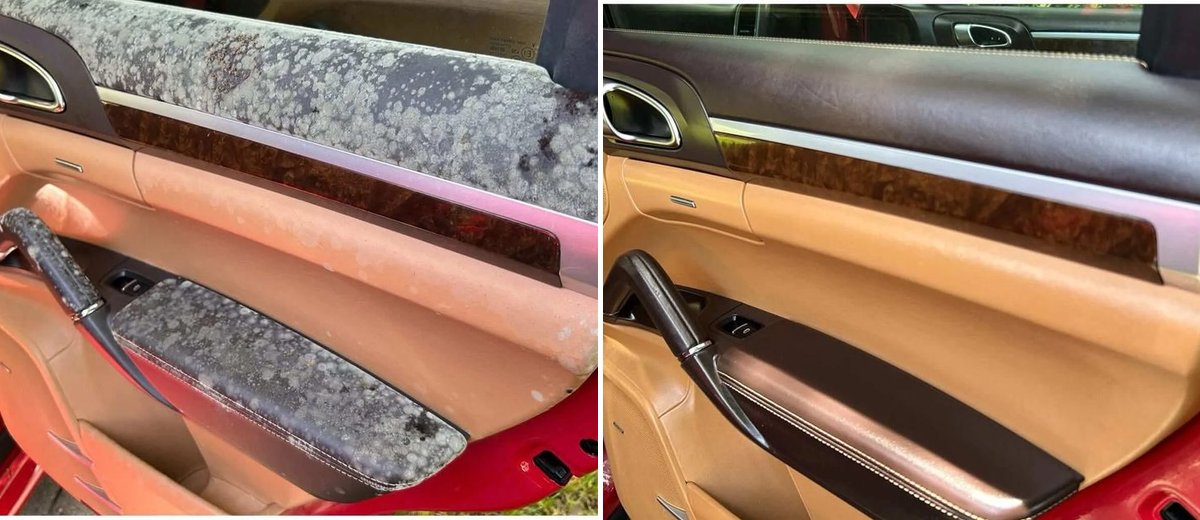
Before & After: Mold Removal We've Actually Done
No stock photos. These are real DShine mold removal jobs across South Florida, the same 11-step process and chemistry used on every Hallandale Beach appointment.
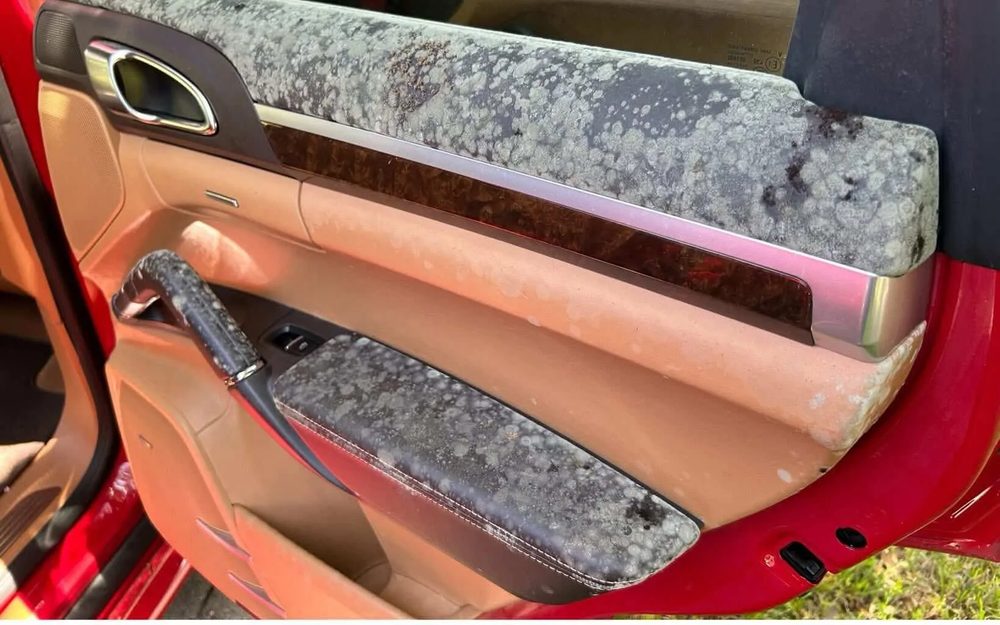 Before
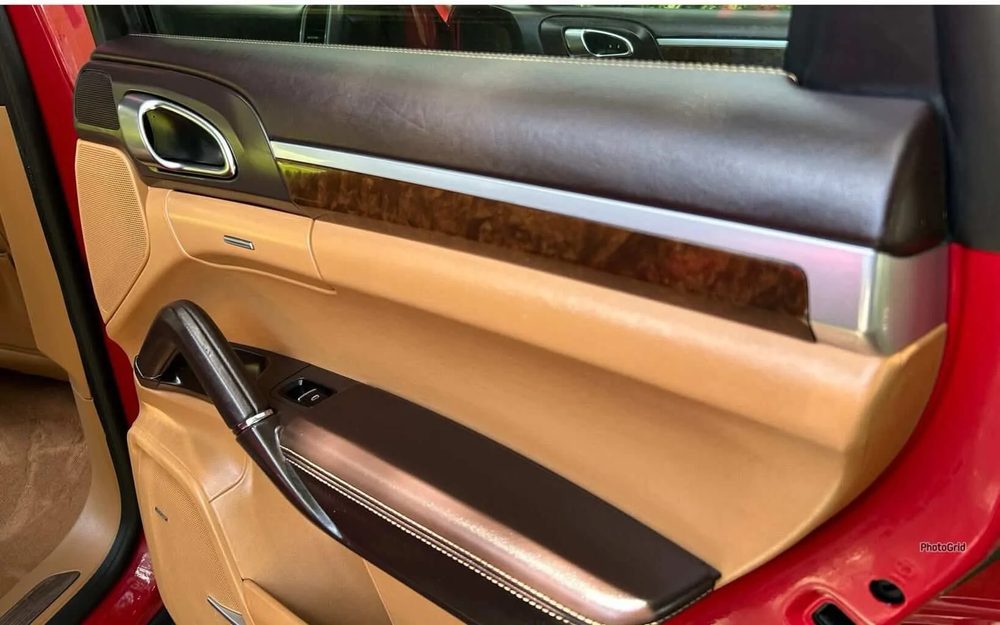 After
Porsche Cayenne — Door Panel & Armrest
Mold spread across the tan leather door panel and armrest, running up to the wood trim on a red Porsche Cayenne. Leather like this gets our leather-safe protocol: controlled steam and extraction, Concrobium on the surface, then an ozone cycle for the cabin air, so the finish is not stripped. Leather sitting night after night in a damp shared concrete garage is a pattern we expect around here.
 Before
 After
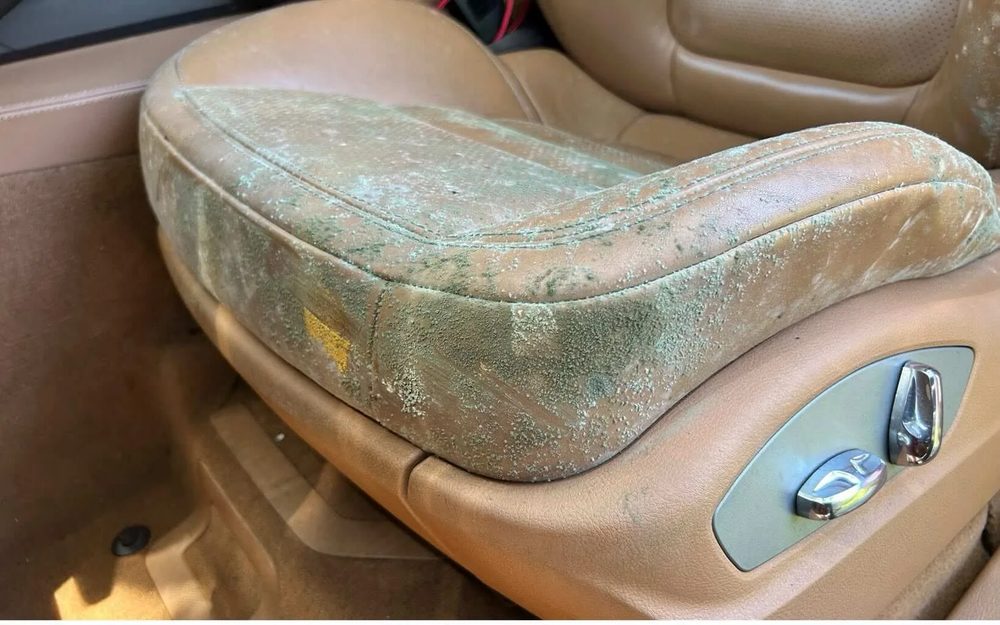
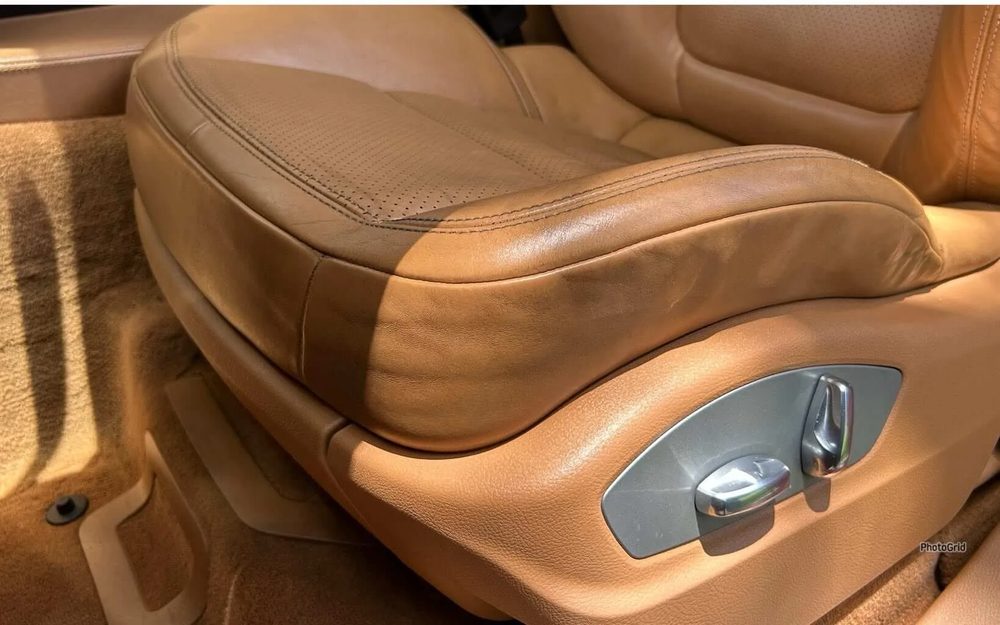
Leather Seat Bolster — Green-Blue Mold
A tan or camel leather front seat bolster covered in green-blue mold. The bolster is the part of the seat that rubs against your clothing and holds moisture longest, so it is often where growth starts. We treat it with a leather-safe approach, never aggressive scrubbing, then Concrobium and ozone. Cars that go in and out of a humid parking deck every day often show this first on the driver's side.
 Before
 After
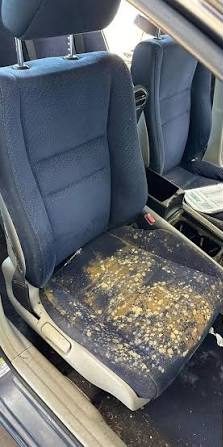
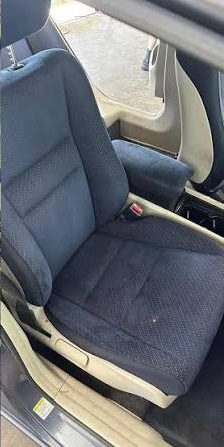
Cloth Bench Seat — Stain Residue Underneath
A dark blue cloth sedan bench seat with the cushion lifted, showing tan and yellow mold-stain residue on the underside of the seat bottom. This is why we inspect beyond the visible surface: the top can look fine while the foam beneath is stained. Steam, extraction and Concrobium reach it. A damp mat or a wet towel left in a closed car is the usual start, and shared garages make that easy.
 Before
 After
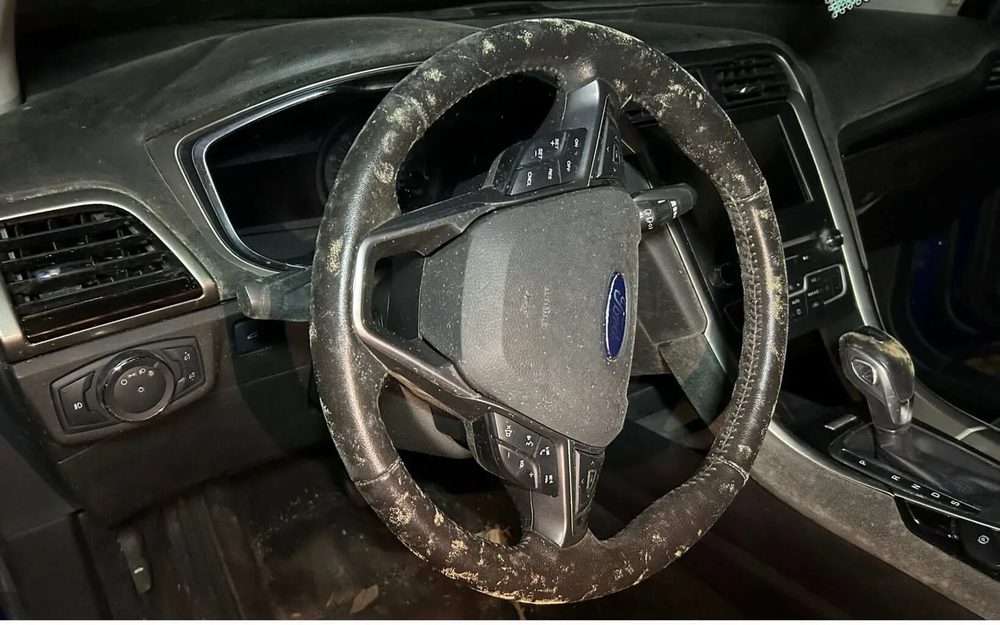
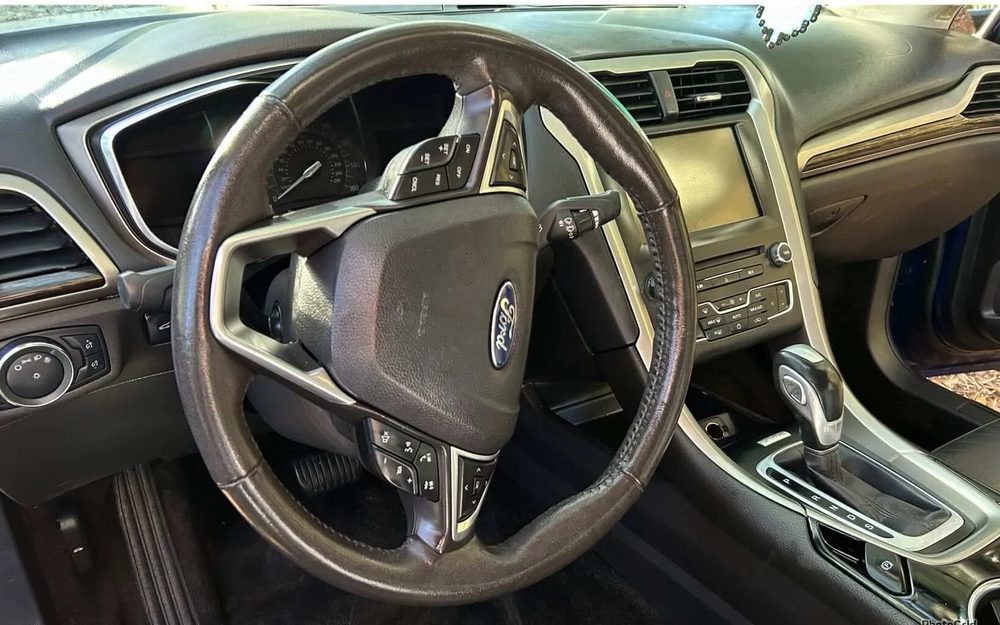
Steering Wheel, Dash & Vents — Grey-White Bloom
Grey-white mold bloom across the steering wheel, dashboard and air vents of a Ford sedan. Growth on the wheel and vents means the humid air reached the whole cabin, including the A/C path. We clean and treat every touch surface, run the Concrobium step, and use ozone to reach the ductwork. A cabin that stays shut and warm between short trips, as many city cars do, can develop this quickly.
 Before
 After
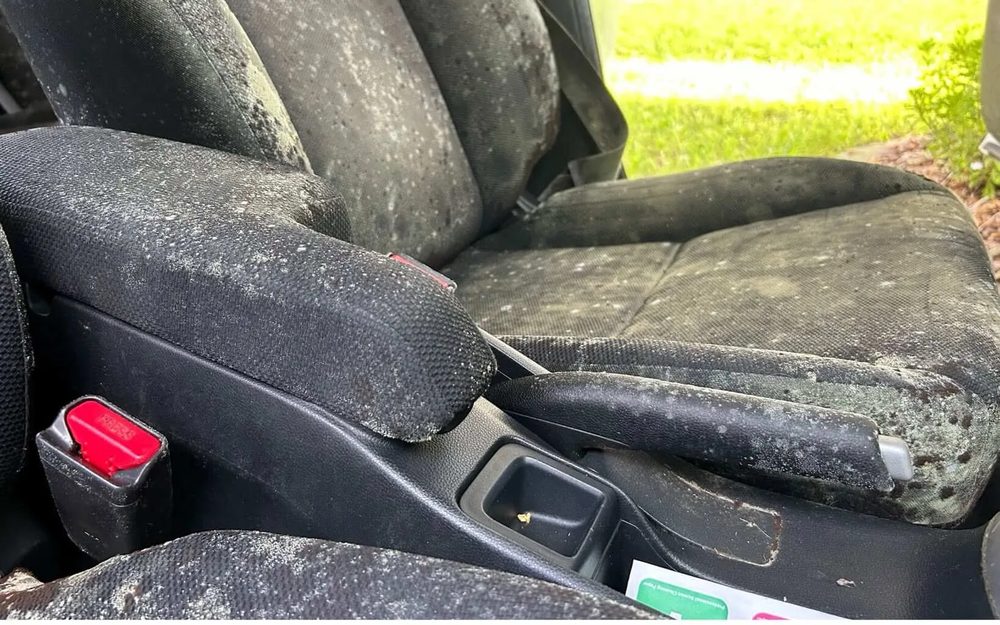
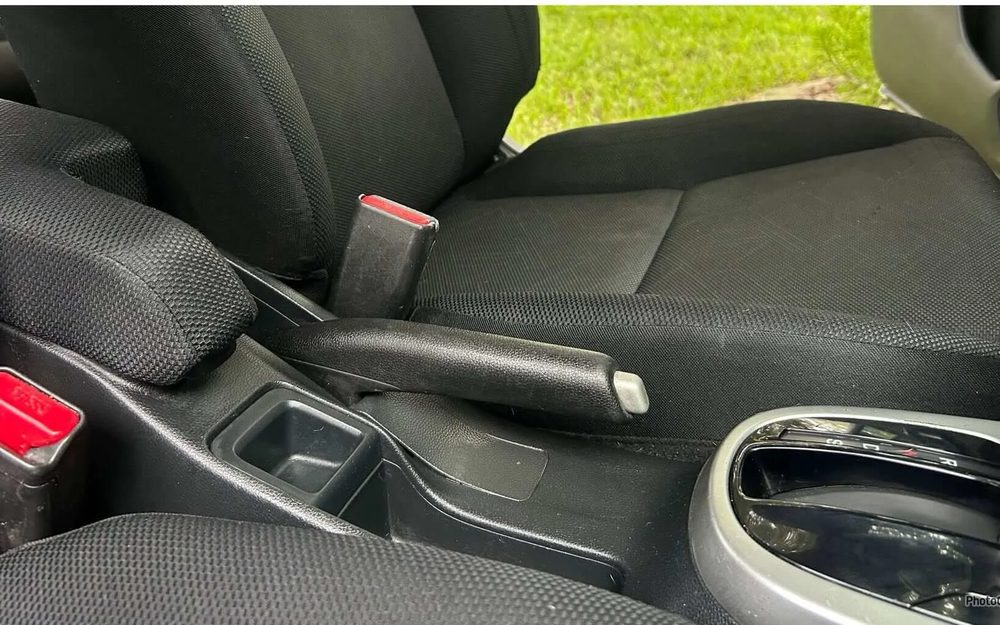
Cloth Driver Seat & Console — Mold Bloom
A black cloth driver seat, armrest and console covered in grey-white mold bloom, with green lawn visible outside the window. Dark cloth hides early growth until it is well established, which is why we check the seat foam and the console seams as well. Treatment is HEPA vacuuming, steam and extraction, Concrobium and ozone. Cars that are used lightly and parked in humid conditions are often where this appears.
 Before
 After
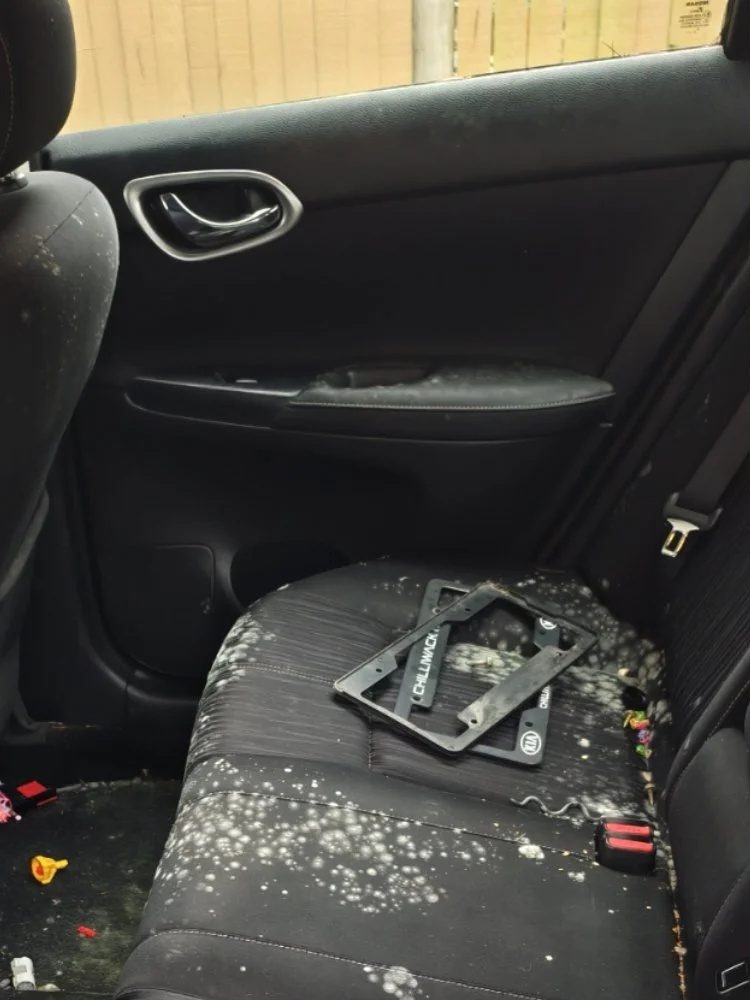
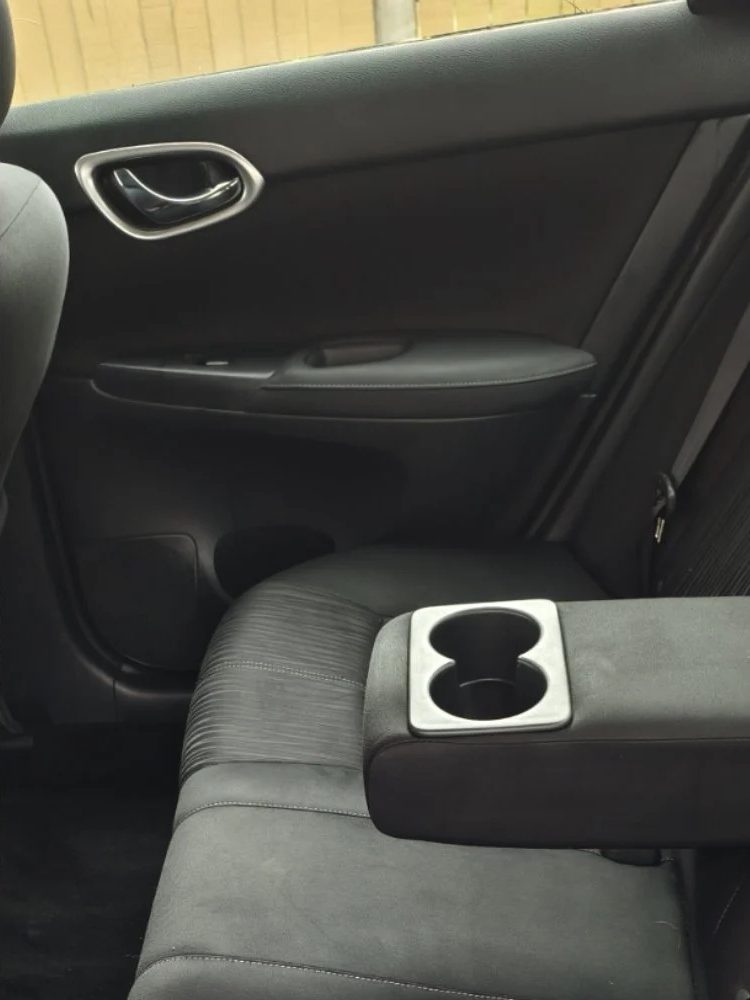
Rear Seat & Door Panel — White Mold Spots
The rear seat and door panel of a black sedan, with white mold spots across the rear cushion and loose debris and a license plate frame sitting on the seat. Back seats collect forgotten wet items and are rarely opened, so growth goes unnoticed. We clear the debris, vacuum, steam and extract, then treat with Concrobium and ozone. A daily-use car with a seldom-visited back seat is a common pattern.
 Before
 After
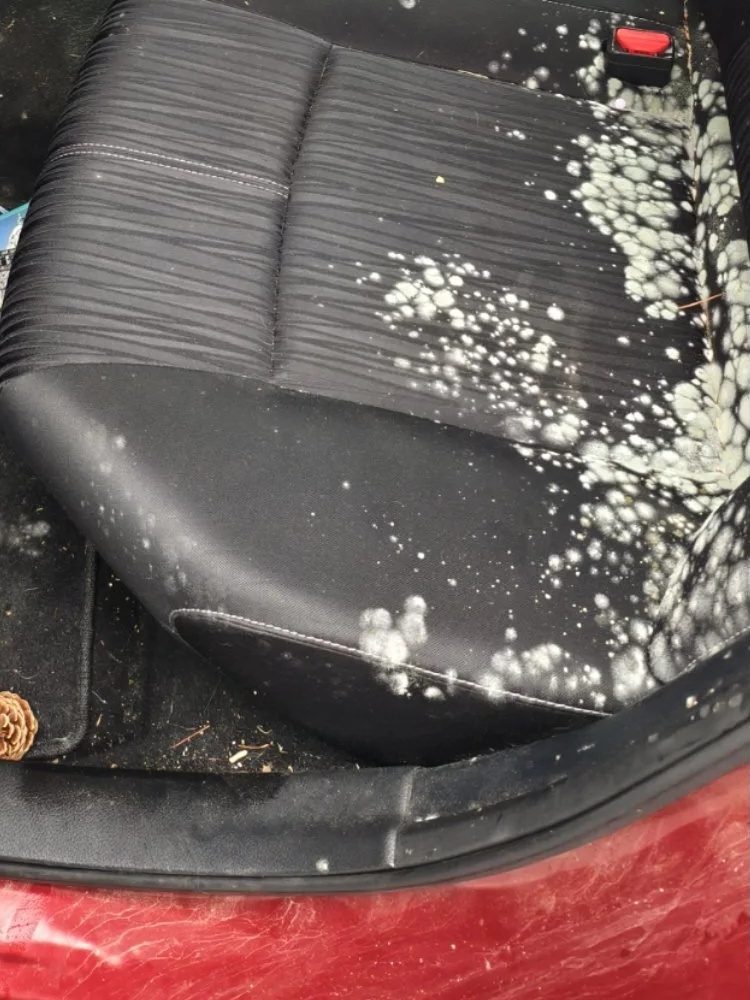
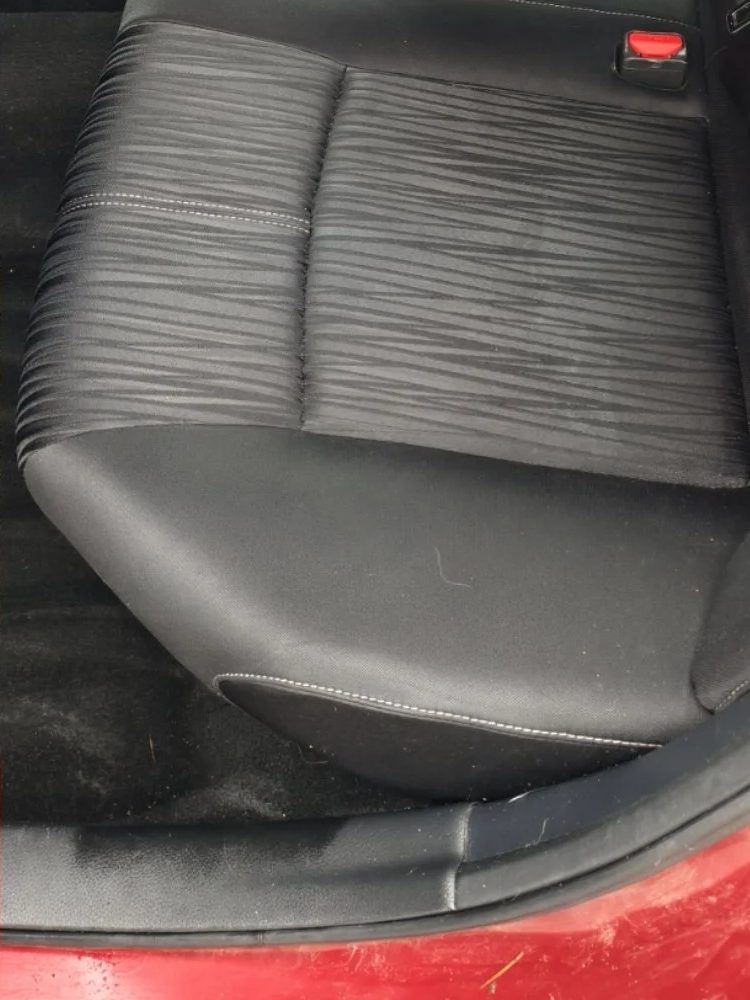
Black Cloth Seat — White Speckled Mold
A black cloth seat covered in fine white mold speckles, with the red car body visible below the window. Speckled growth like this often means the mold is young and surface-level, which makes it the best time to treat. We vacuum, steam and extract, apply Concrobium and finish with ozone. Humidity that lingers in a parked cabin after a rainy week is enough to start it.
 Before
 After
Floor Mat — Heavy Colony Growth
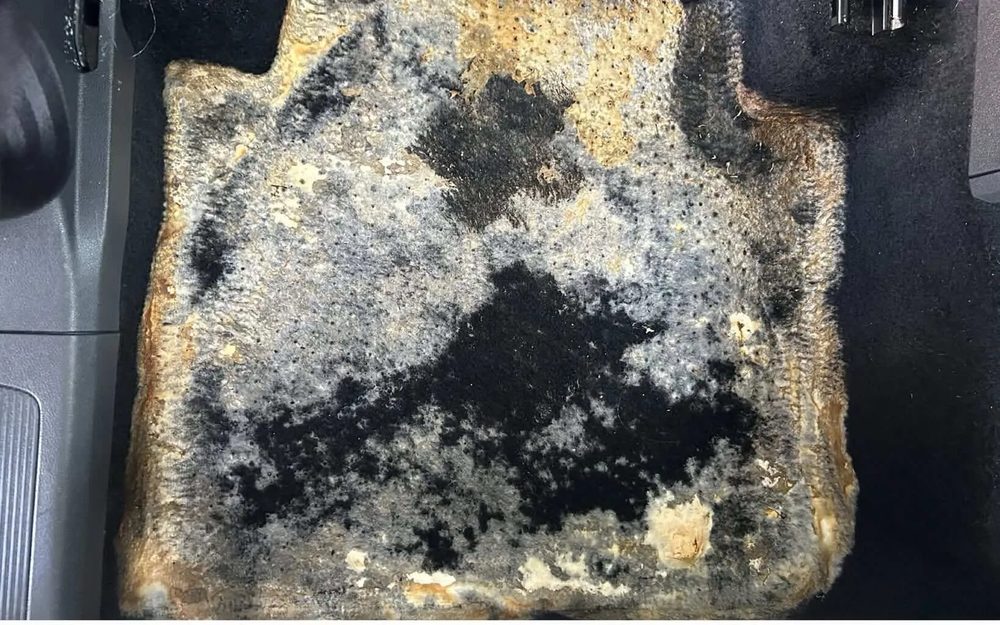
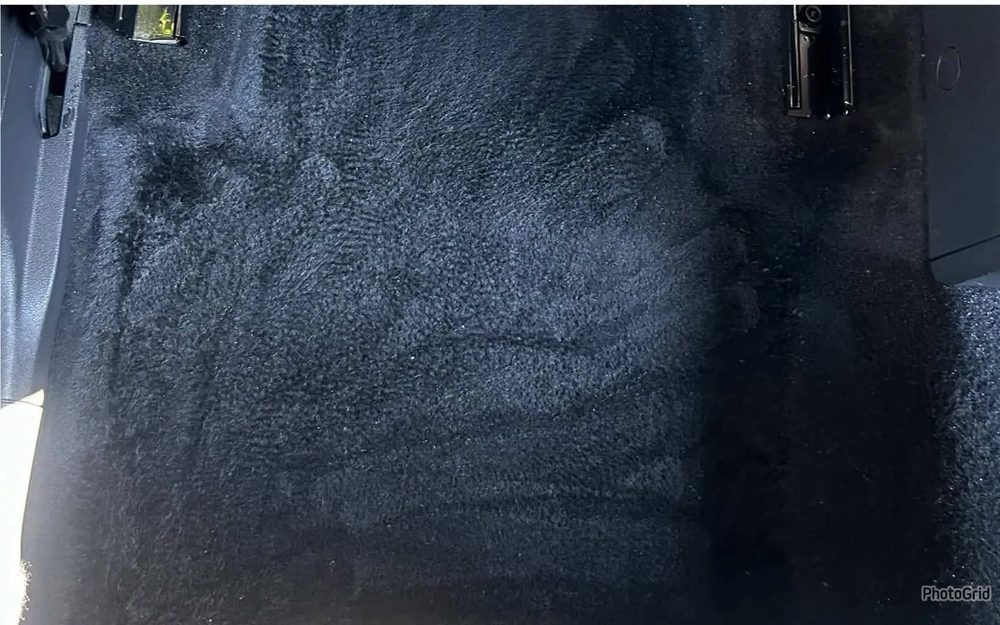
A carpeted floor mat with heavy black, brown and white mold colonies. The mat is where water collects, from wet shoes, rain and spills, and it keeps the carpet beneath damp. We lift it, treat both sides and the carpet below, and look for the moisture source. Wet shoes and beach sand carried into a car that rarely dries out make a floor mat the first place to check.
100% Satisfaction.
Written. No exceptions.
If the result doesn’t meet our standard, or yours, we come back and redo it at no charge. No forms to fill out, no arguing over what “counts.” The guarantee is in writing before we ever touch your vehicle.
Request Mold Removal in Hallandale Beach · From $549
Fill this in once and send it. We get your address, vehicle, and the situation all in one message, no phone tag.
Rating
Detailed
Response
Three steps from a damp stall to a clean cabin,
and we sort out the garage logistics.
No drop-off. No waiting. We come to Hallandale Beach.
We come to you in Hallandale Beach,
from Golden Isles canals to the Gulfstream Park lots.
Mobile service: home, office, condo, or marina. No drop-off, no travel fee.
Not seeing your city? Ask us — we likely cover it.
Damp parking decks and a wet, humid summer,
the building-garage problem in Hallandale Beach.
Hallandale Beach packs more than 41,000 people into about four square miles at roughly 7 feet above sea level, so a lot of cars live in shared, covered parking where humid air has little room to move. Left untreated, what starts as a musty smell becomes a real health issue for the next person who drives the car. DShine's Concrobium Mold Control and ozone process address the cause, not just the symptom, backed by $2M insurance and a written guarantee. Mold doesn't need much to get started, any trapped moisture inside a closed cabin is enough given South Florida's humidity. The source is almost always one of four things: a clogged AC condensation drain letting water pool silently on the floor pan, a failed door or window seal letting rain in, a clogged sunroof drain, or the car simply sitting unused for two or more weeks without the AC running. In Hallandale Beach that last one is the cause we meet most, and it seldom means a long absence: it is a car parked every night in a damp building garage that never fully dries between trips.
Hallandale Beach areas we serve,
from Golden Isles to The Village at Gulfstream Park.
Racetrack lots, canal-side garages, apartment complexes and beach towers: how each part of Hallandale Beach changes the way a car stays damp.
Gulfstream Park — The thoroughbred track and casino at 901 South Federal Highway, open since 1939, with free self-parking lots north and south of the clubhouse and valet at two locations. Cars here sit parked for long days in the heat, so rain-wet clothes and umbrellas left inside can cook into a damp cabin by evening.
The Village at Gulfstream Park — A 500,000-square-foot dining and shopping district that opened in 2010 on what used to be a parking lot. Drivers come for meals and shopping and leave cars in the sun for hours, so a sunroof drain that is partly clogged or a window left cracked can let a storm into the cabin unnoticed.
Golden Isles — A waterfront subdivision of roughly 310 single-family homes built around deep canals off the Intracoastal Waterway. Driveways and home garages here sit in moist, heavy air, and a garage that shares space with boating or beach gear keeps that dampness pressed against a parked car's carpet.
Three Islands — Mostly apartment complexes and townhomes, with most buildings dating from the 1970s through the 1990s. Parking is often a shared lot or a covered deck, so we confirm access with you or the office, and cars exposed to sun and rain tend to show aging seals before anything else.
Hallandale Beach Boulevard corridor — State Road 858, a mostly commercial road that runs past the northern edge of Gulfstream Park and crosses the Intracoastal on a drawbridge one block west of A1A. Offices, shopping centers and their lots line it, so many cars are treated at a workplace, where we ask for the lot or garage details first.
South Ocean Drive & the oceanfront — The beachfront towers along South Ocean Drive range from twin buildings completed in 1972 to towers finished between 2006 and 2009, steps from the city's three-quarters of a mile of beach. Sand, wet towels and swim gear ride into cars here, and building garages and valet stands call for coordination.
Downtown financial district — The city's downtown has banks, brokerage houses and restaurants, and cars here are parked at work all day and driven home in the evening. Garage parking at an office means regular, ordinary use, so we usually see mold tied to a leak, a clogged A/C drain or a stack of wet items, rather than a long idle spell.
Don't see your area? Ask us — we likely cover it.
Hallandale Beach car mold,
the questions condo and canal-side drivers ask.
Tap any topic to read the full breakdown.
Few places in Broward are as tightly built as Hallandale Beach: 41,217 residents on 4.21 square miles of land in 2020, between the I-95 interchange at Hallandale Beach Boulevard and the shoreline, on ground roughly 7 feet above the tide. The long NOAA record at the Fort Lauderdale airport station (FLL), 1991 to 2020, works out to about 60 inches of rain a year. Around 38 land from June to October.
Heat never lets a parked cabin rest: normals run from the high 60s in January to about 84 degrees in July and August. Housing adds a twist. Of 28,443 units counted in 2020, 31.4 percent were vacant, a census category that also covers homes held for seasonal or occasional use, and a great many cars here spend their nights in shared, covered parking, not in an open driveway.
That adds up to a wet, warm region with plenty of vehicles tucked into enclosed concrete. Water that enters a car during an afternoon storm has little chance to leave overnight, and once a damp cabin has sat a day or two, the 24 to 48 hour germination window is already running.
Most of the cars we hear about here are not forgotten cars. Their owners live in a mid-rise or high-rise, drive the same sedan or crossover every week, and slowly notice a damp smell they cannot place. The car is in use, yet it spends every night in an enclosed, humid spot, and that is enough to keep the cabin from ever drying completely.
Census figures show a median age near 47 and nearly a quarter of residents at 65 or above, so many owners make short, occasional trips: a pharmacy, a doctor, a market, the beach. A hop that short never runs the air long enough to dry the carpet, which lets a small leak or a wet umbrella linger for days.
Commuters who cross the Aventura line toward Miami-Dade call as well, in a city where the Census Bureau puts the mean commute at just over 30 minutes, along with drivers who work out of their cars. Leather-trimmed sedans and SUVs reveal the problem first, as green-blue spotting on the seat bolsters and door pulls, which is usually what prompts that first photo.
One clue worth passing along: if the smell began within a few weeks of moving to a new building or a new stall, tell us. A change of parking spot, more than a change of habits, is often what tips a car from fine to musty.
Covered garage in an older condo building: a shared concrete deck with open sides takes wind-driven rain, smells of damp slab and sweats when warm air meets cool concrete. Cars near a ramp, a drain or a low corner see the most moisture, and a car in the same stall every night can stay a little damp for years without ever looking wet.
Valet or assigned-stall garage in a tower: someone else moves the car, and you may never see where it ends up. A wet umbrella, a soggy mat or a cracked window travels into that stall unnoticed, and some building routines leave a car unopened for days. It is an easy fix when caught early and a harder one after a month.
Open lot or street at townhome and apartment complexes: large parts of Three Islands are apartment complexes and townhomes, so plenty of cars take rain, sun and sprinklers directly. The danger there is wear: rubber hardens, sunroof drains clog, and a single heavy summer downpour can leave the carpet damp for several afternoons.
Driveway or garage on a canal lot: Golden Isles, founded in 1957 according to its homeowners' site, has about 310 single-family homes along deep canals off the Intracoastal Waterway, and the air hangs heavy beside the water. Rods, boat lines and beach chairs jammed in a garage next to the car trap that dampness against carpet and cloth.
June through October: the wet stretch, when about 38 of the area's roughly 60 yearly inches fall. A car gets drenched on the way in, parks beside a streaming ramp, and a dripping umbrella rides up to the elevator while the mats soak up the rest. The first door-seal and sunroof-drain failures usually surface now.
Mid-August to mid-October: the peak of hurricane season by NOAA's reckoning. Hurricane Katrina came ashore for its first Florida landfall in August 2005 between Hallandale Beach and Aventura, and a storm warning still sends cars shuffling: up a level, into another lot, out of town. A car that rode out the weather sealed up with a wet floor is a classic follow-up call.
November through April: only a few inches of rain a month at the airport station, so the danger shifts from weather to habits. Windows get cracked, the A/C goes quiet, and buildings fill with part-year residents whose cars barely move. Moisture picked up in the fall can persist unnoticed, so the smell may show up months after its cause.
The week before any trip: whatever damp item is in the cabin when you lock up keeps the mold company until you return. With so many units empty part of the year, a car left behind after a rushed flight is a pattern in every month of the calendar.
A large share of our calls here mean working inside someone else's property: a condo association, a management office or a valet stand. Give us the building name, the garage level and the person who handles vendors when you book, and entry can be arranged before we arrive. A quick photo of the stall and the route in saves surprises at the gate.
Florida's milestone inspection law (section 553.899) requires condominium buildings three stories or more to be inspected by the year they reach 30 years of age, and every 10 years after. Older buildings can have concrete or garage work underway at some point, which may mean reassigned stalls, a closed ramp or a blocked level. Mention it and we will pick a day and a spot that work.
If the office wants credentials, we are IDA certified and carry $2M liability insurance. We also ask about garage clearance, whether the car can be moved to a level with open air, and where the cabin can vent after ozone, so that nothing drifts into an elevator lobby or stairwell.
Guest-parking limits and gate rules differ from one association to the next. Not sure a vendor may stay three to four hours? Ask the office ahead of time and relay the answer, since a surprise gate rule can slow the start of a visit.
1. A damp shared garage and a car that never fully dries: the leading cause in the city, and it needs no long absence. Humid air lingers against the concrete, the car makes only short trips, and one soggy mat, wet umbrella or leaking seal is enough to keep the cabin damp. Padding and seat foam then hold the water for weeks.
2. A plugged condensate drain or a worn seal: air conditioning wrings water out of the cabin air and sends it under the car through a small rubber line. Plug that line with debris and the water pools beneath the front carpet. You notice a musty gust when the fan starts. Cracked door, window or sunroof rubber invites summer storms inside in a similar way.
3. Beach, canal and pool gear: the city has about three-quarters of a mile of beach and sits beside the Intracoastal, so towels, swimsuits, folding chairs and wet shoes ride in the back seat. A single damp towel left overnight on a floor mat is enough to seed a patch that creeps into the foam below.
4. A trip away or a storm closed up in the car: many units in this city sit empty for part of the year, and a car locked with a slightly damp cabin the day its owner left is the textbook case. A storm shuffle that parks the car sealed on a low level with water on the floor belongs here too.
A visit usually starts before we arrive. You send photos, we answer with a tier, and the building side gets sorted in the same thread: which level, which stall, who opens the gate. By the time the van pulls in we know where we are working and where the nearest open space is for the airing-out stage.
The first hour at the car is spent looking and vacuuming. We HEPA-vacuum seats, carpet and trunk, then check the headliner, the seat bases and the vents. Garage cars often hide a surprise, like a stained underside or a wet patch under the mats, and we show it to you when we find it.
The wet work comes next: Benefect, the deep clean, steam and extraction, then drying time and Concrobium. After that the cabin is sealed for ozone with nobody inside. All of it adds up to the 3 to 4 hours we quote, and a tight ramp or a long walk from the gate can stretch that slightly.
We close with a Meguiar's odor step and one more walk around the car. Photos, before and after, arrive on WhatsApp, handy when the car lives in a stall on a level you never see during the workday.
First messages here tend to be brief: what does it cost, and can you get into my garage? Both answers are simple. One area is $549, mold throughout is $749, travel is included, and a garage is fine as long as we have the level, the stall and a way in. The exact figure is locked in before we begin.
Then comes worry about the building: if the deck is damp, will the trouble return? It can, when dampness is what feeds it. A one-off soaking seldom repeats, but a stall below a dripping slab will. We describe what we find while on site, and the written 30-day guarantee covers a free second treatment in either case.
Many owners ask whether they have to stand there. Not in the car and not for the whole visit. We need access, a phone number and a place to park, and we send photos when the cabin is done. Health questions come up as well, and we answer plainly and leave medical advice to a doctor.
Owners of newer towers sometimes assume a modern garage rules this out. It lowers the odds, but moisture mostly rides in on shoes, bags and worn seals, so a new building does not make the cabin immune.
Some clients ask about Odor Removal Detailing, which is $349 flat, after learning that a smell and a colony are different problems. Visible mold, or an odor fed by real growth, needs the mold service instead, and we say which one fits before starting.
People who book the interior often add something for the outside. A car that spends its nights in an apartment lot or by the curb takes sun and storms, so Paint Correction or a Ceramic Coating can ride along on the same visit. Engine Bay Cleaning turns up for cars that sat for a long stretch.
Anything extra is agreed with you first, and the mold treatment stays the priority. If you want a fresh interior finish afterward, the cabin has to air out completely before anything new goes on it.
Sniff the vents. A musty burst when the fan first runs points at the evaporator or the drain line holding water, and a smell that fades after a minute has still told you something. Next, lift a front mat and press the carpet below it: moisture there is where leaks collect first.
Watch for windows that take ages to clear, leather with a slightly tacky feel, or a faint powdery film on seat bolsters or the steering wheel. Tan or yellow staining under a seat cushion deserves a look as well, since hidden growth often begins underneath.
Clammy seat belts, carpet that stays cool underfoot, or allergy symptoms that flare only while you are driving point the same direction. Dripping garage slab or a violent storm? Look the car over within a day or two instead of waiting for the smell to speak up.
In a shared garage the best habit is the plainest: carry the wet things out with you. Towels, umbrellas, swim bags and gym clothes belong in the elevator, not on the floor mats. After a rainy drive, leave a door open for a minute so damp air can leave with the water you carried in.
Switch the air conditioning to fresh air, not recirculation, as you finish a drive. That dries the evaporator before the car goes behind a closed door, a cheap precaution for a car that sits most of the week. A moisture absorber is a decent extra but cannot stand in for moving air.
If the car will stay put for a week or two, someone with building access can start it, run the air for a while and check the mats. Or ask the office whether the stall could be on a more open level. A car that is driven a little is safer than one shut away and forgotten.
Two cars, one family, two stalls on the same level: when a Hallandale Beach couple finds growth in the first, we suggest peeking into the second as well. They breathe identical garage air. One visit can cover both, and each car gets its own quote, set by how much of that particular cabin is affected.
Owners of several units, and some property managers, ask about doing a few vehicles in the same building. We line them up back to back at one address, so the garage, the gate and the building contact are handled once instead of three times.
When one car is badly affected and the other only borderline, treat the worse one first and watch the other. A musty gust from the vents or damp floor mats are the signs to look for, and each treated vehicle carries its own 30-day guarantee.
Everything is written down: a 30-day guarantee, which means that if mold or that musty smell is back within the month, we return and redo the treatment without charging you. Paper matters in a building, where a verbal promise at a gate or a valet stand is easy to remember differently a month later.
In a condo garage a second round usually traces to one cause, the one nobody fixed: a seal that still admits rain, a drain that is still plugged, or a stall where water drips from the slab overhead in each storm. We tell you what we saw before we leave, so the repair can come first.
The paperwork helps most when someone also tackles the source. A stall that is wet itself calls for a talk with the office about another spot or another level, and a call to us if the car goes back to a place that has soaked it before. One visit that fixes it beats a return trip to the same garage.
Hallandale Beach has its share of luxury sedans, coupes and SUVs with leather interiors, and leather deserves a softer approach than cloth. For it we use a protocol of controlled steam and extraction plus Concrobium laid on the surface, never soaked in, which keeps the finish from being stripped or dried out.
An older car has older rubber and older drains, so the cause is often a part that has simply aged out. We examine door and window seals, the sunroof drain and the condensate line, and report what we find, so you can decide whether a shop should replace anything.
With a work vehicle, the clock matters as much as the method. A car that earns your living cannot disappear for days, and one visit of three to four hours at your building or job site is easier to plan around than a drop-off.
Empty the car of anything wet: towels, swimsuits, umbrellas, gym bags, open drinks. Look in the trunk and under the floor mats, because forgotten items hide there. Blot any spill, however small, and leave the doors open until the cabin feels dry to the touch before you lock up.
On the last drive before you park, turn the climate control to fresh air for a few minutes, then close every window and the sunroof all the way. Leaving for a month or longer? Hand the building office, or a neighbor who has access, your phone number and request an occasional start-up.
If a storm or a leak happened while you were gone, check the car on your first day back, before the first drive. Photos of any spots or damp areas let us give you a read on the tier quickly, and we can book around your return.
Mold does not stay put. In the first couple of days it rests on the surface. Within a few weeks it can reach the carpet padding and seat foam, and a one-area job at $549 can become a whole-vehicle job at $749, simply because there is more car to treat.
The musty smell is what moves most people to call, yet it is a late warning. Leather can stain, cloth can discolor and the headliner can start to freckle. Acting early also keeps the vents from pushing spores into the cabin each time you start the engine.
Selling, trading in, or turning back a lease? A musty smell takes money off a car quickly. Dealing with it ahead of time generally costs less than the markdown, and the before-and-after photos serve as a record of the cabin's condition on handover day.
Gulfstream Park, at 901 South Federal Highway, offers free self-parking in lots on both sides of the clubhouse and valet at two spots beside the walking ring. Its calendar includes the Pegasus World Cup and the Florida Derby. A car that goes in a summer downpour comes home with soaked clothes, umbrellas and damp seats.
Soaked clothes thrown on the back seat, a closed car, a few hours of afternoon heat: the cabin warms, the damp air rises and fogs the glass. Ask valet staff to keep the windows up, and give the mats a wipe the following morning before the water settles in.
The Village at Gulfstream Park, a 500,000-square-foot dining and shopping district that opened in 2010 on a former parking lot, is another place where cars sit in the sun for hours. A sunroof drain that is partly clogged can turn that into a damp headliner.
Price begins with what you can see. Send a handful of photos and a sentence on location (seat bolster, mats, vents, trunk) and inside 2 minutes you learn which tier applies. A single area, such as one seat or one door panel: $549. Several places or the whole vehicle: $749.
Looking through your photos closely gives the exact figure, and you hear it before any tool comes out of the van. Travel to your building, lot or driveway is part of that figure, so the gate adds nothing and the work adds nothing.
Something not visible in the pictures, say growth behind a trim panel? We pause and tell you first, and you choose whether to go on. The figure you approved is the figure you pay.
In short: around Hallandale Beach the moisture often originates in the building, in a daily-driven car and a deck that stays humid, not in a long absence. Beach towels, a plugged drain and a tired seal do the rest. Photos usually reveal it long before your nose does.
The remedy is an 11-step visit at your address using Concrobium and ozone, leather treated by its own protocol, and a $549 or $749 price agreed before work starts. IDA certified, $2M liability insurance, travel included.
A written guarantee covers 30 days, 100 percent. Should mold or its odor return in that stretch, we redo the car at no charge and tell you what likely caused it. Before-and-after photos come by WhatsApp, and photos from you are the fastest route to a first price.
Ozone is the stage after the wet work. We close up the cabin and run a generator that treats the air inside the car and the vent passages that no cloth can touch. Nobody sits in the vehicle during the cycle, and the doors stay shut until it finishes.
In a shared garage we pick the spot with the neighbors in mind: open air if possible, clear of walkways, elevator doors and stairwells, so nothing drifts into a place where residents wait or pass. Afterward we open the car and let it ventilate completely before anyone sits inside.
A Meguiar's odor step and a final check close the job. We tell you when the car is actually ready, not simply when the machine has stopped, and the finished cabin shows up in your WhatsApp photos, so you can judge the result before you reach for the door handle.
Garage, valet or open lot?
Answers for Hallandale Beach car owners.
Add-ons Hallandale Beach clients book
Still deciding? Read: the complete mold removal guide · does insurance cover it? · why DIY mold removal fails.
Smelling mold in Hallandale Beach? Send photos for a price in under 2 minutes.
Serving Hallandale Beach and all of Broward County. Fixed pricing, no travel fee. We confirm in under 2 minutes.
It Might Just Be an Odor Problem
If there's no visible mold growth yet, the smell alone is usually an Odor Removal Detailing case ($349 flat) — faster than full mold remediation ($549–$749). See which one matches what you're dealing with: