What's Included in Car Mold Removal
This is not a car wash. Car Mold Removal uses Concrobium Mold Control treatment, pH-balanced products, and machine assistance, the same process used in pre-sale preparations for luxury dealerships.
Why it matters for your health: Mold in a vehicle is a different exposure than mold on a wall at home. With the AC recirculating, everyone inside is breathing concentrated spores for the length of the drive. The EPA and CDC both link mold exposure to respiratory irritation, allergic reactions, headaches, and worsened asthma symptoms. Children, older passengers, and anyone with a compromised immune system typically react faster and more severely than a healthy adult would. By the time the smell is noticeable, spores have usually already spread through the HVAC system into every vent in the cabin.
Curious what actually happens during the visit? Tap through our real 11-step process below to see what we do at each stage and why it matters.
What every DShine mold job gets you
Most detailers in Miami charge less. Here’s exactly what you gain — and what you risk — with each choice.
| DShine DetailsFrom $550 · travel included | Avg Miami Detailer$149 – $199 | |
|---|---|---|
| Industry certificationsIDA, Koch Chemie, Meguiar’s, 3M, Symplex, XPEL | ✓6 verified | —0 credentials |
| $2M liability insuranceWe cover any damage — in writing | ✓ | —Often uninsured |
| Deionized water systemZero mineral residue, no water spots | ✓ | —Tap water, water spots |
| Fresh microfibers per vehicleNo cross-contamination between jobs | ✓ | —Shared towels, swirl risk |
| Mold-specific chemistry onlyConcrobium, Benefect & Meguiar’s, no harsh acids | ✓ | —Industrial degreasers |
| Before & after photosSent via WhatsApp on completion | ✓ | —No documentation |
| 100% written satisfaction guaranteeReturn & redo at no cost if unsatisfied | ✓ | —No written guarantee |
| Travel to your address — $0Home, office, condo — no drop-off | ✓ | Sometimes adds fee |
DShine vs. any other detailer
in Miami, Miami-Dade County
Three things most detailers won't tell you. We put them in writing.
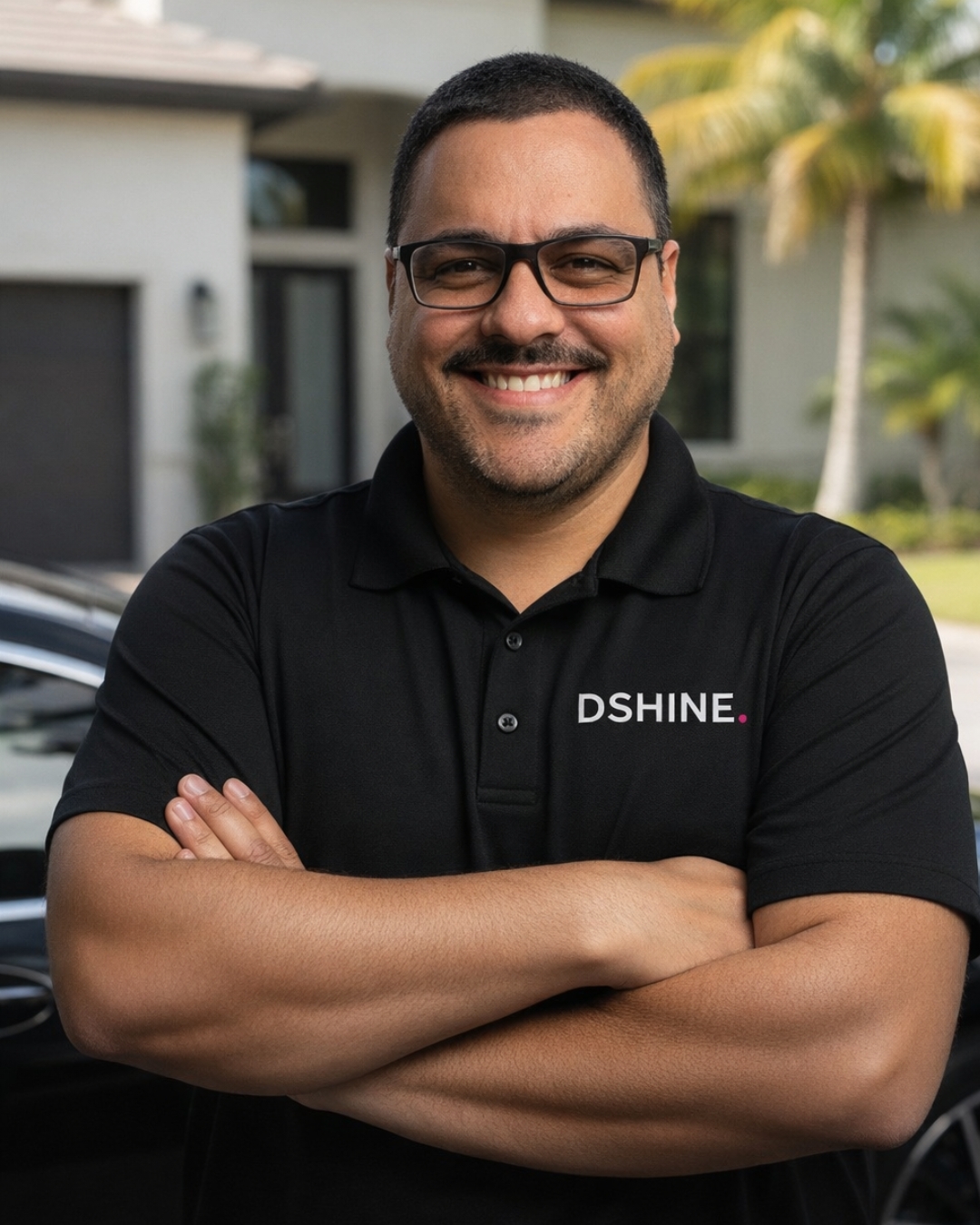 Since 2018
With more than 20 years of hands-on experience in the automotive care industry, Evelio launched DShine Details in August 2018 with one van and zero shortcuts. For the first six months he slept in the van to keep costs down and standards up. Today DShine runs 7 certified vans across Miami-Dade, Broward, and Palm Beach, and the commitment hasn't changed. Every vehicle is treated as if it were his own.
What clients say
in their own words.
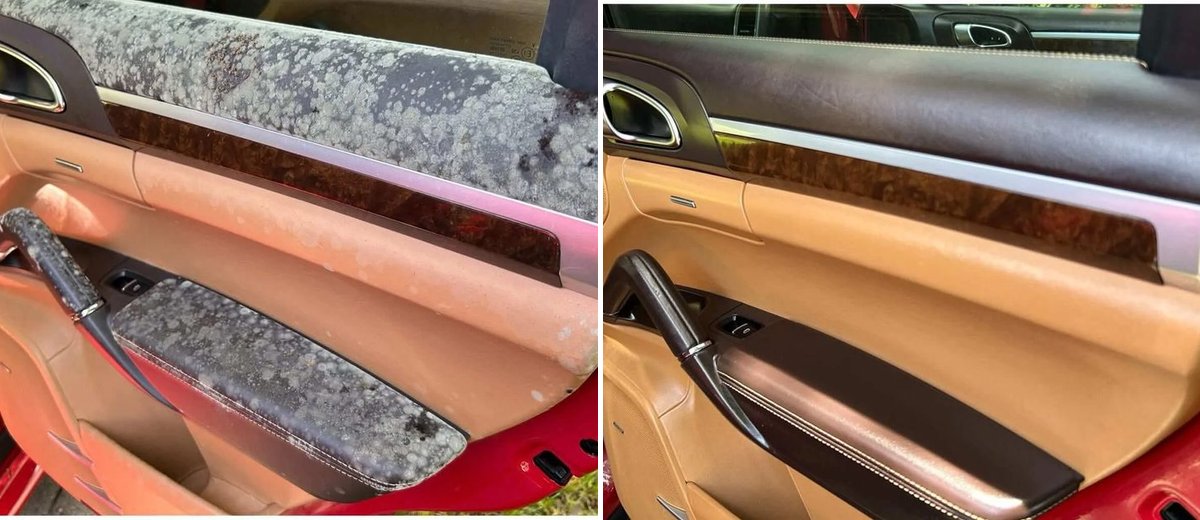
Before & After: Mold Removal We've Actually Done
No stock photos. These are real DShine mold removal jobs across South Florida, the same 11-step process and chemistry used on every Miami appointment.
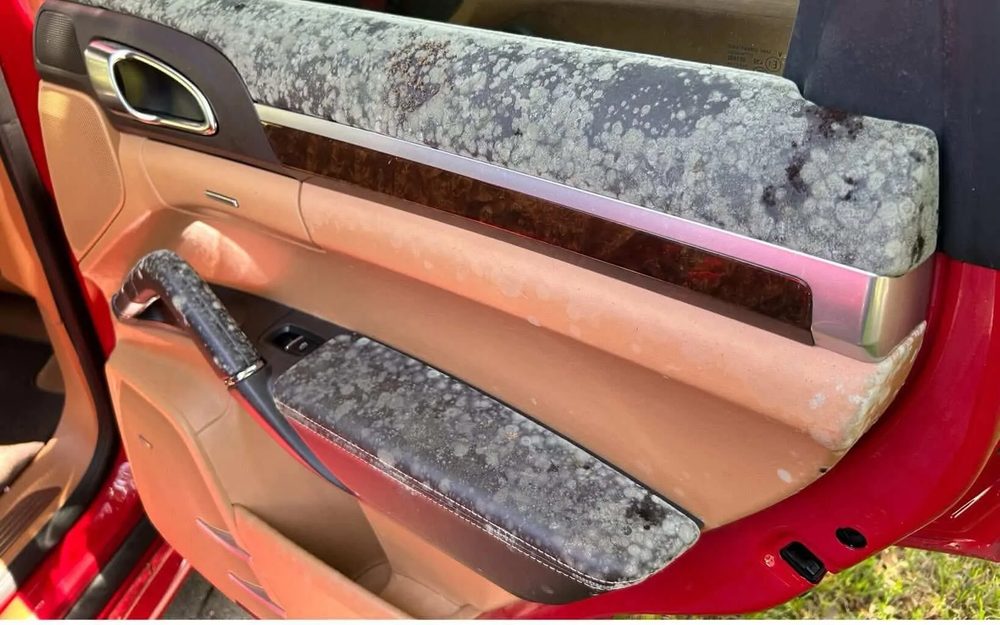 Before
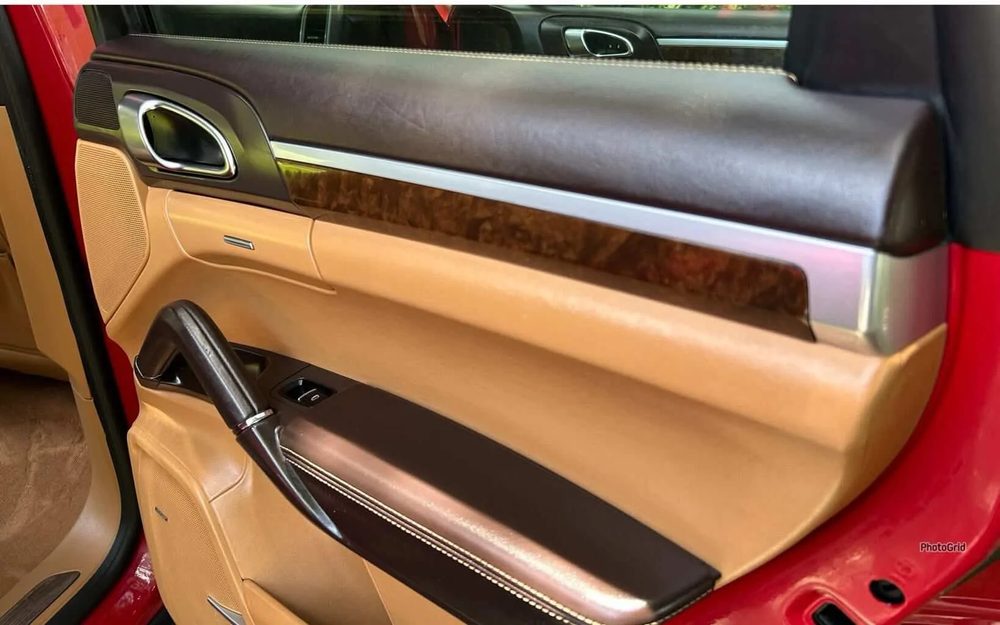 After
AfterPorsche Cayenne — Door Panel & Armrest
A Brickell high-rise owner left town for several weeks, and the car sat untouched the entire time in the building's underground garage. By the time they returned, mold had spread across the door panel and armrest leather. Steam extraction plus a leather-safe antimicrobial treatment restored it without touching the finish.
 Before
 After
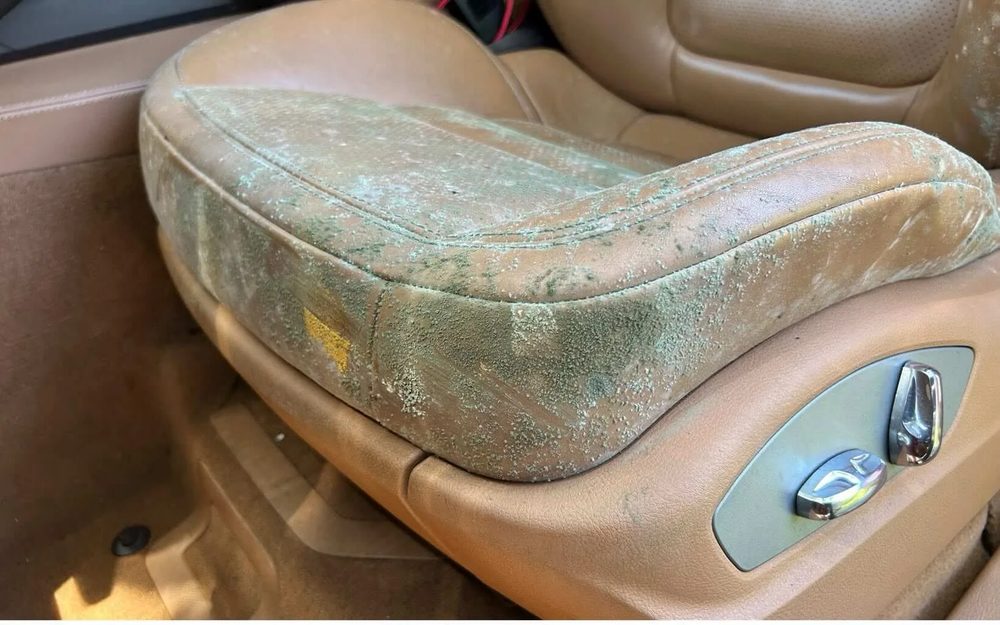
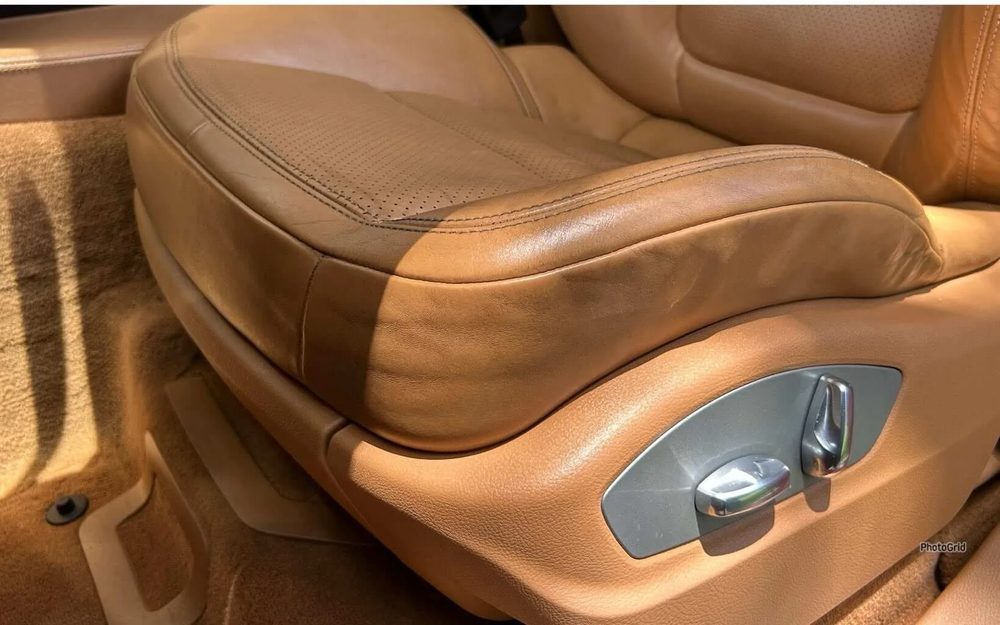
AfterLeather Seat — Green Mold
Parked and closed up in a garage for an extended stretch, this seat developed green mold, less common than black but just as active. A leather-safe antimicrobial application killed the colony without drying or cracking the leather underneath.
 Before
 After
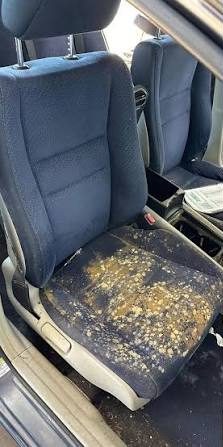
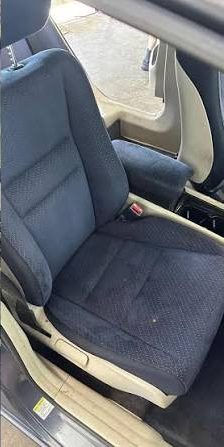
AfterFront Seat — Dried Residue Buildup
Closed up in a garage for an extended stretch in the Florida heat, this seat had residue and early mold buildup baked into the fabric. Steam and the right chemistry lifted it completely.
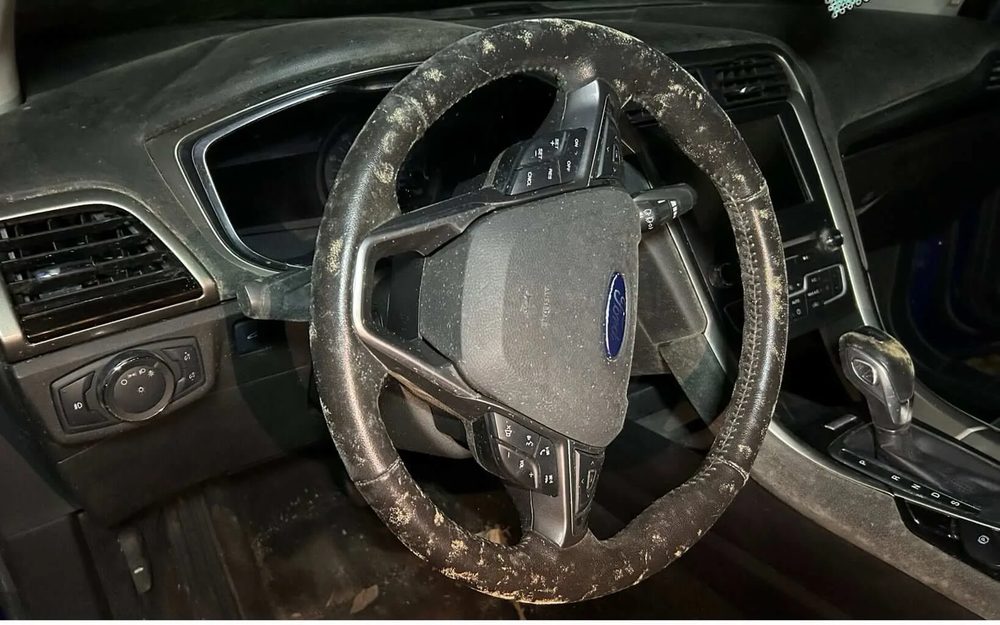 Before
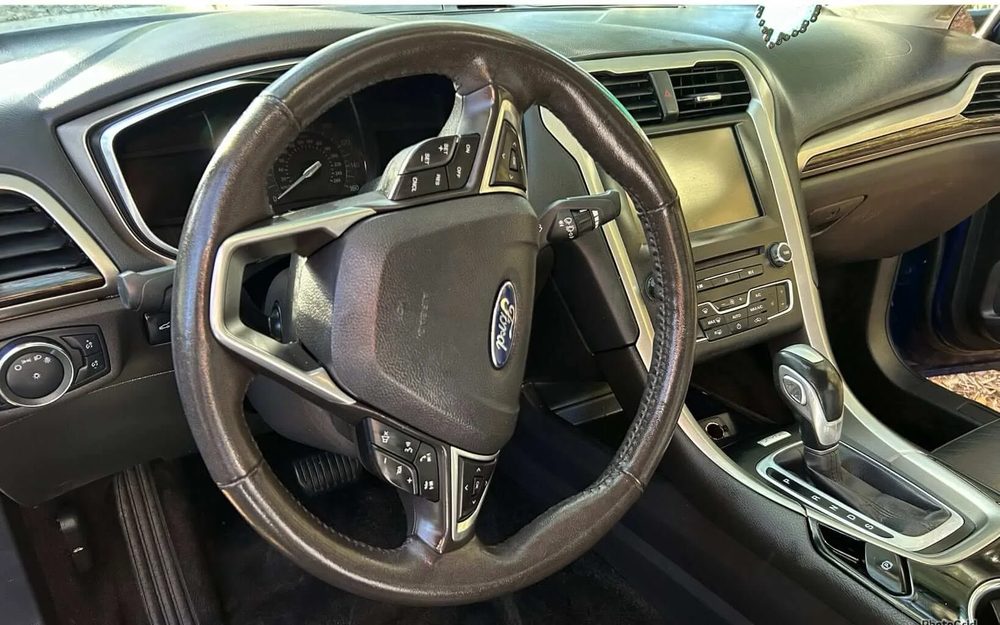 After
AfterEdgewater High-Rise — HVAC Vents
An Edgewater owner noticed a musty smell every time the AC kicked on. The below-grade garage had taken on some water during a September king tide, and the vents had been pulling in damp air for weeks. We treated the HVAC path directly with Concrobium and a sealed ozone cycle, the smell was gone the same afternoon.
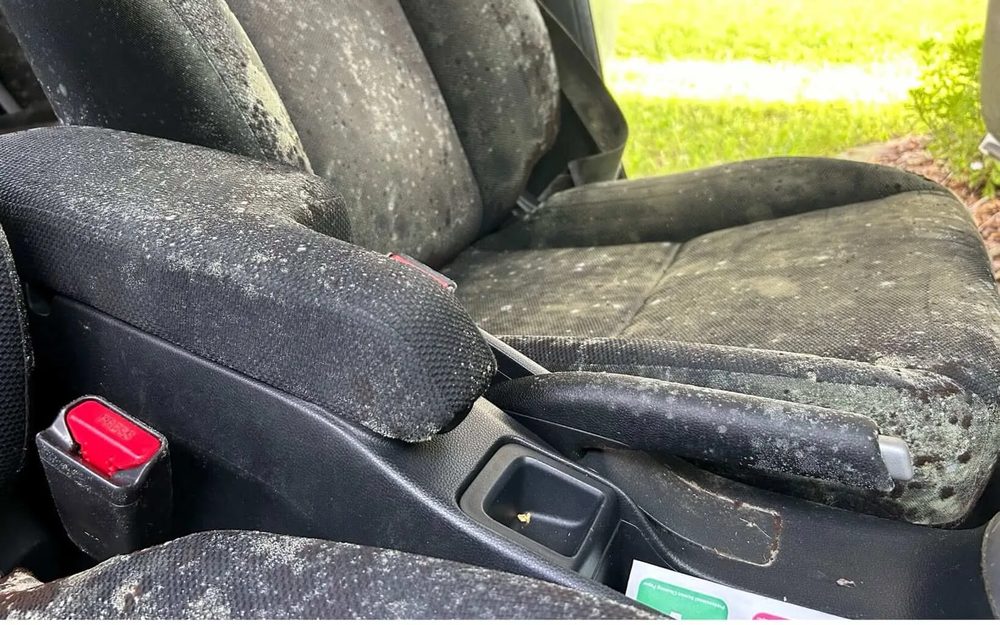 Before
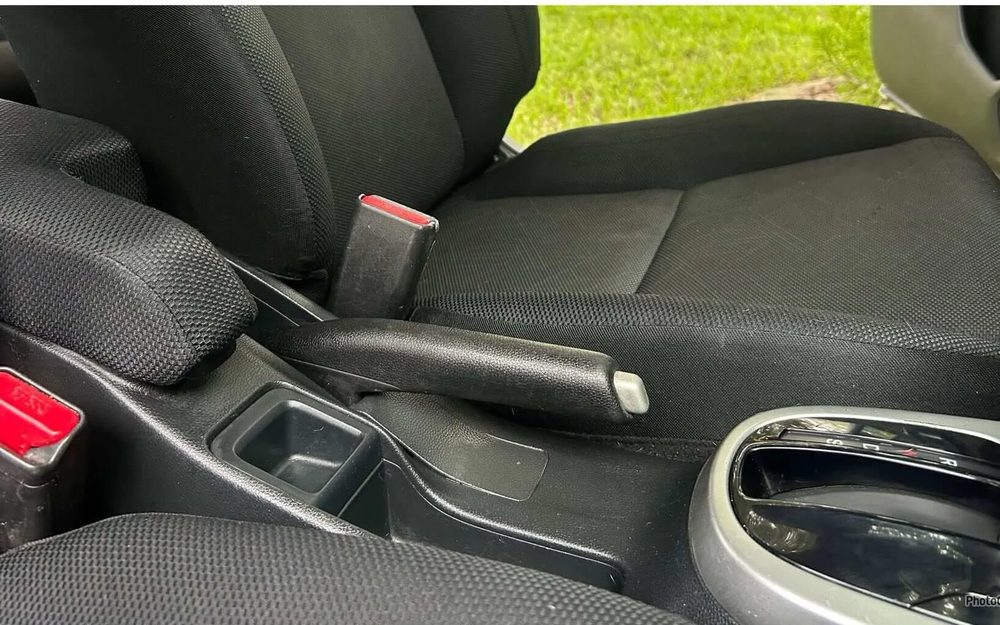 After
AfterCoconut Grove — Marina-Adjacent Convertible
Parked near the marina in Coconut Grove for a long weekend, this convertible took on salt spray through a worn top seal. By Monday, a fine layer of mold had started on the seat bolsters. Caught early enough that a single treatment cycle cleared it without any lasting odor.
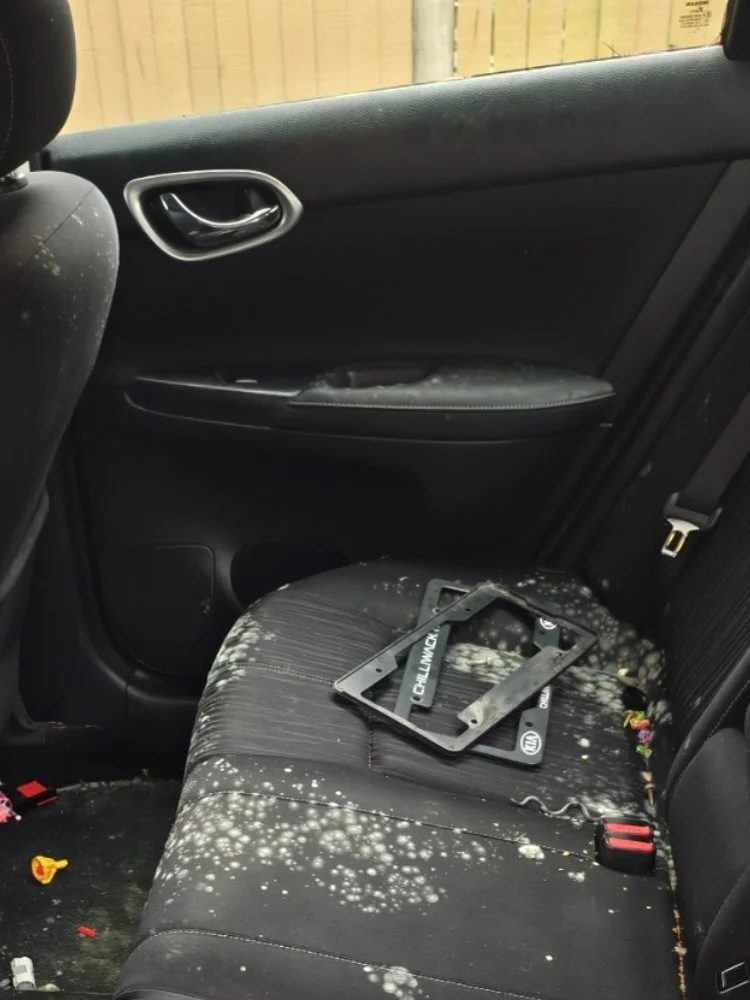 Before
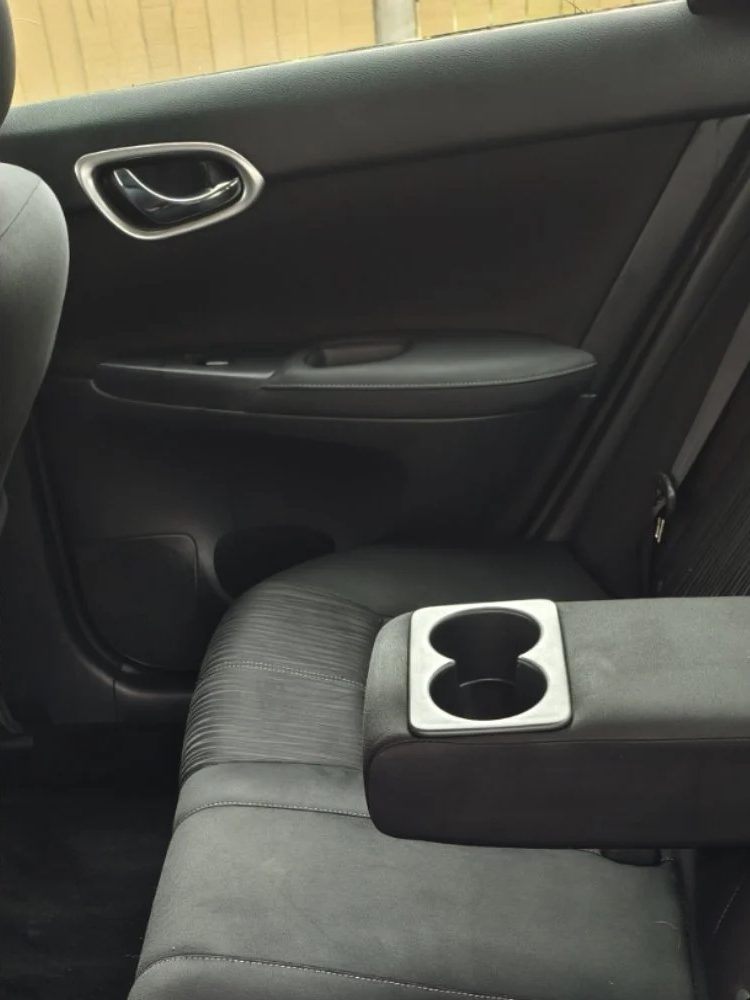 After
AfterDowntown Miami — Rideshare Sedan
A rideshare driver working out of Downtown had a passenger spill a drink under the rear seat, it went unnoticed for almost a week between shifts. Mold had already colonized the padding by the time it was flagged. Full extraction and antimicrobial treatment got the car back on the road the same day.
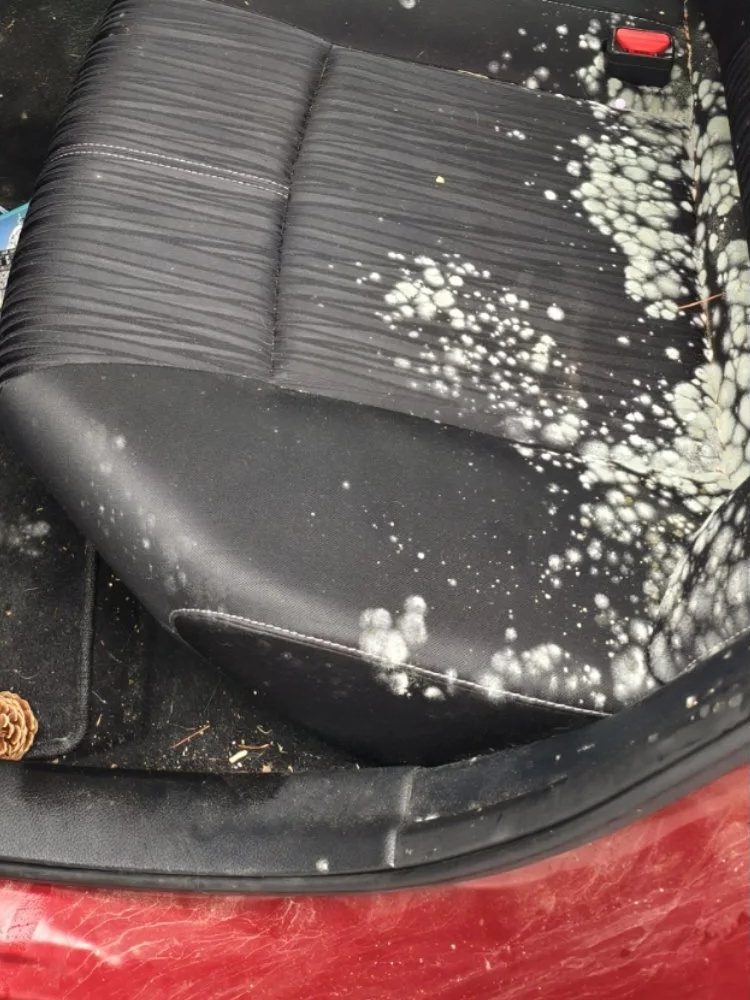 Before
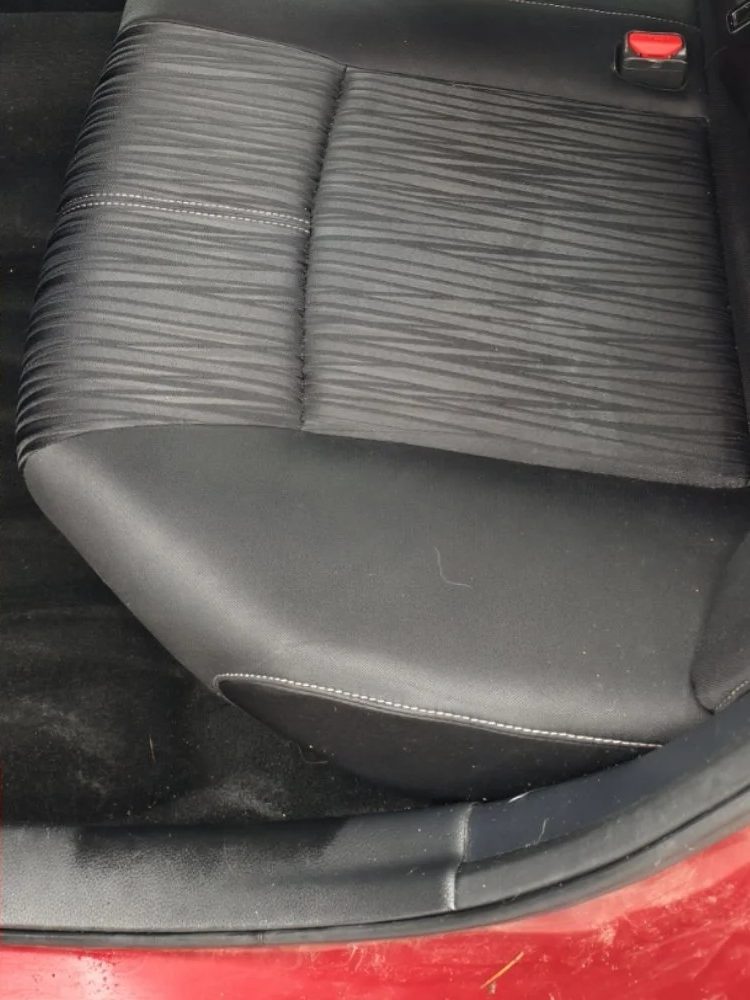 After
AfterWynwood — Imported SUV, Seasonal Owner
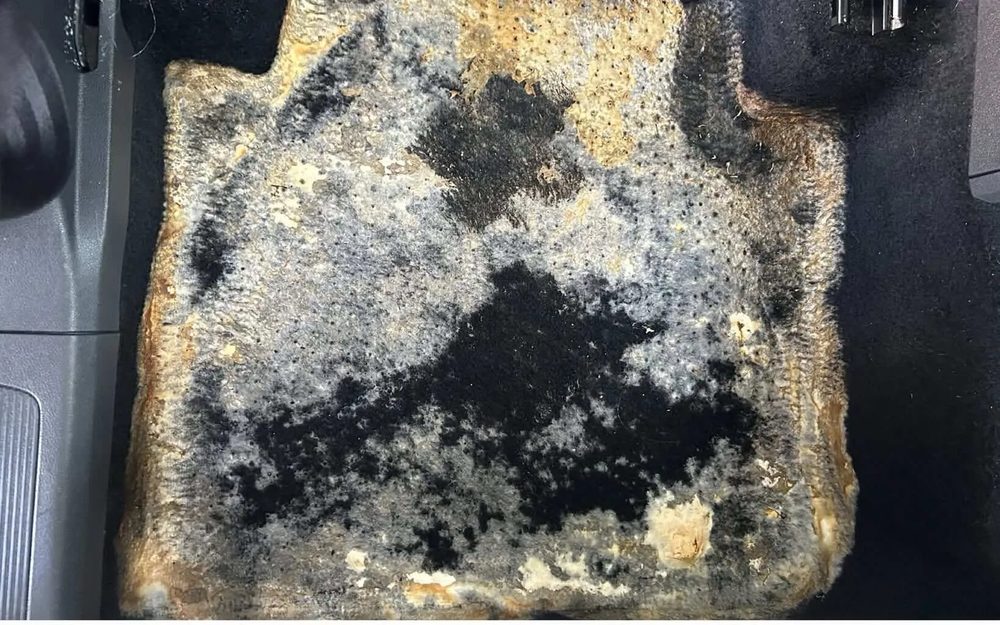
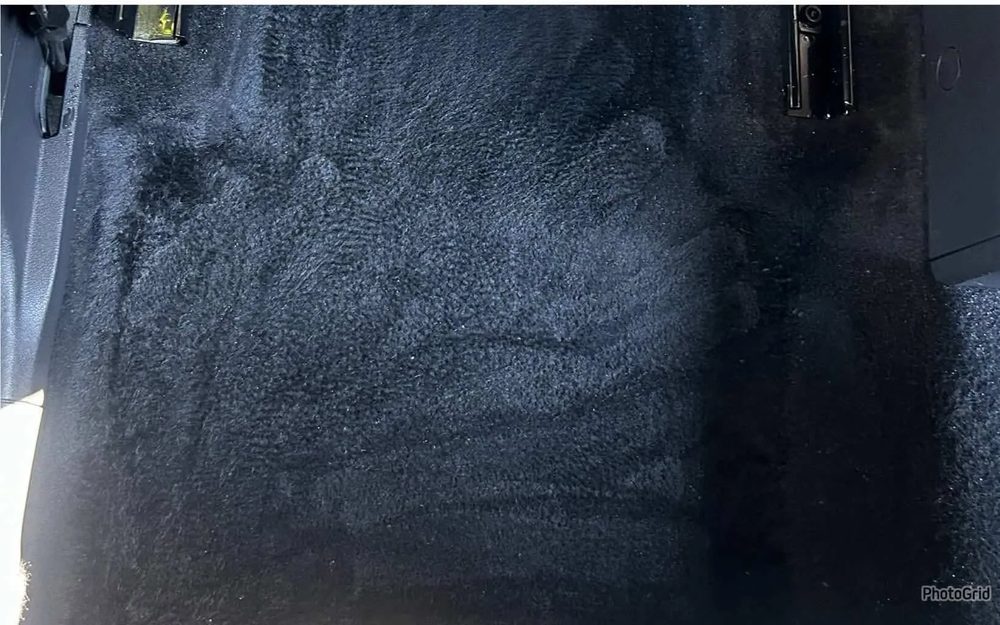
A part-time Wynwood resident left an imported SUV in a shared warehouse-district garage for nearly three months. No leaks, no spills, just Miami humidity working on a car with the AC off the entire time. Full-vehicle treatment brought it back before the owner returned for the season.
 Before
 After
AfterLittle Havana — Driveway-Parked Sedan
Parked in a driveway on a residential Little Havana street, this sedan took on rainwater through an aging trunk seal during a summer storm. The floor mats and trunk carpet had visible mold by the time the owner called. Full extraction and Concrobium treatment cleared it in a single visit.
BeforeAfterUpper Eastside — Older Bayfront Garage
One of the oldest garage structures we service in Miami, this Upper Eastside building has no modern ventilation upgrade. A resident's second vehicle developed mold on the leather seats over a slow, humid month. Leather-safe antimicrobial treatment restored it without any damage to the finish.
BeforeAfterAllapattah — Industrial Lot Parking
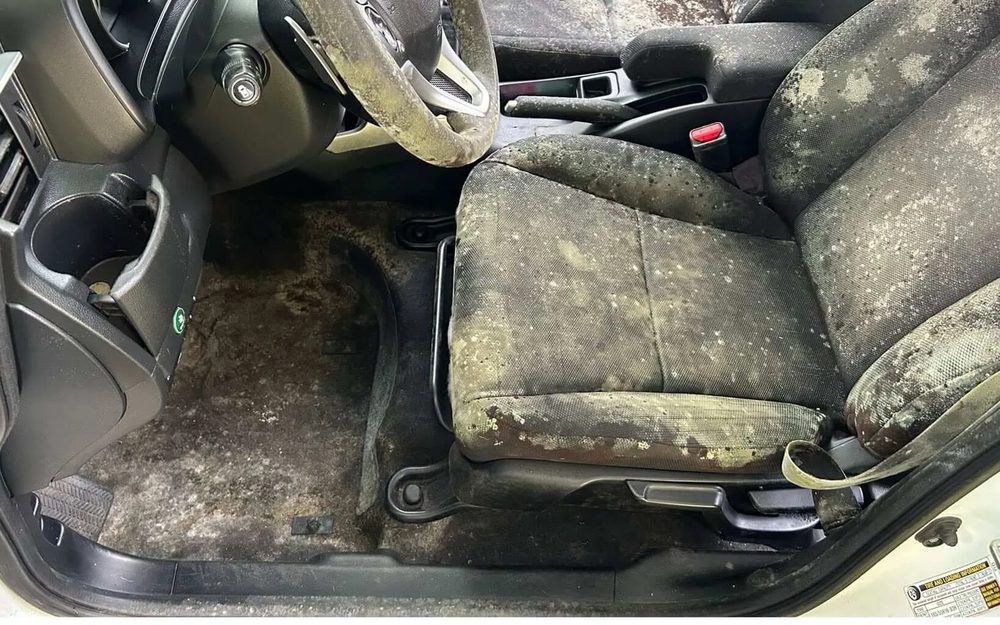
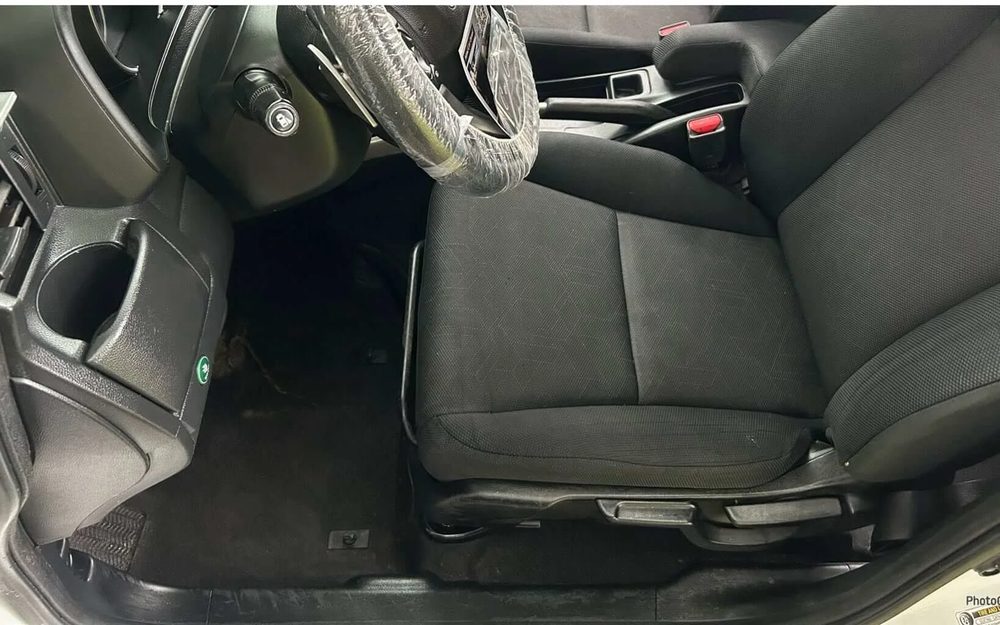
Left in an open industrial lot after a sudden downpour, this SUV took on water through a window that hadn't sealed properly in years. By the time it was caught, mold had spread across the dash and front seats. Full steam cleaning and a sealed ozone cycle cleared the cabin completely.
 Before
 After
AfterOvertown — Street-Parked Commuter Car
A commuter vehicle parked on the street through several storm-heavy days had water working its way in through a cracked window seal the owner hadn't noticed. Mold had spread from the door panel into the front carpet. Full inspection, extraction, and ozone treatment brought it back the same day.
BeforeAfterCoral Way — Shaded Driveway Sedan
Parked under heavy tree cover on a Coral Way driveway, this sedan stayed cool but also stayed damp longer after every rain than a sun-exposed spot would. White surface mold had started across the cloth seats before the owner caught it. Steam extraction and Concrobium treatment cleared it in a single visit.
BeforeAfterLittle Haiti — Street-Parked Family Car
A family car parked on the street through a stretch of near-daily summer storms took on water through a rear door seal that had quietly failed months earlier. Mold had spread across the rear bench before anyone noticed the smell. Full extraction and antimicrobial treatment resolved it completely.
BeforeAfterBrickell — Second Vehicle in a Two-Car Household
The rarely-driven second SUV in a Brickell household sat in the building garage for nearly two months while both owners traveled for work. By the time it came out for a weekend trip, mold had spread through the carpet and up into the seats. Full-vehicle treatment brought it back the same day it was booked.
BeforeAfterCoconut Grove — Boat Season Closure
Left near the marina during a slow boat-storage stretch, this vehicle's dashboard vents had been pulling in humid, salt-tinged air for weeks. A light film of mold had formed inside the vents themselves. A sealed ozone cycle cleared the HVAC path completely.
BeforeAfterDowntown Miami — Public Garage Storage
Stored in a public parking structure Downtown for several weeks while the owner traveled, this vehicle's floor mats picked up mold from ambient humidity alone, no leak involved. Full extraction and Concrobium treatment resolved it in a single appointment.
100% Satisfaction.
Written. No exceptions.
If the result doesn’t meet our standard, or yours, we come back and redo it at no charge. No forms to fill out, no arguing over what “counts.” The guarantee is in writing before we ever touch your vehicle.
Request Your Mold Removal · From $550
Fill this in once and send it. We get your address, vehicle, and the situation all in one message, no phone tag.
Rating
Detailed
Response
Three steps.
We handle everything else.
No drop-off. No waiting. We come to Miami.
We come to you.
South Florida, covered.
Mobile service: home, office, condo, or marina. No drop-off, no travel fee.
Not seeing your city? Ask us — we likely cover it.
Miami's density and humidity
are harder on your vehicle.
Miami is one of the densest, most humid cities in the country, and most residents park in shared building garages, valet stands, or on the street rather than a private garage, so a car can sit in a warm, poorly ventilated space for weeks without anyone noticing. Left untreated, what starts as a musty smell becomes a real health issue for the next person who drives the car. DShine's Concrobium Mold Control and ozone process address the cause, not just the symptom, backed by $2M insurance and a written guarantee. The source is almost always one of three things: the car sitting closed up and unused for two or more weeks, common in high-rise buildings where a resident travels often or keeps a second vehicle; a window or sunroof left open during one of Miami's sudden afternoon storms; or water spilled inside and the car closed up before it had a chance to dry. Coastal neighborhoods on Biscayne Bay, Brickell and Edgewater especially, also see periodic king tide flooding each fall that can reach ground-level and some below-grade parking, adding standing water to the list of real risks close to the water.
Neighborhoods we serve
in Miami
From Brickell's high-rises and Downtown to Coconut Grove, Wynwood, and every neighborhood in between.
Brickell — the highest concentration of high-rise shared parking garages we service, and the neighborhood most likely to have a car sitting untouched for weeks between a resident's trips.
Downtown Miami — dense mixed residential and rideshare activity; we see more short-window spill and storm-intrusion cases here than long-term storage mold.
Edgewater — the bayfront towers here see the most consistent king tide exposure of any Miami neighborhood we service, especially in below-grade garage levels.
Wynwood — a mix of converted warehouse parking and street parking; older structures here often lack any garage ventilation upgrade.
Coconut Grove — the marina-adjacent neighborhood; salt spray and boat-launch splashback add a moisture source most other Miami areas don't deal with.
Little Havana — mostly driveway and street parking on single-family lots; full sun and full rain exposure both apply here.
Coral Way — tree-lined, mostly driveway parking; shade helps with heat but keeps things damp longer after a storm than a sun-exposed driveway would.
Flagami — similar driveway-parking profile to Coral Way, mostly single-family homes with a lower rate of shared-garage mold calls than the Brickell corridor.
Upper Eastside — a mix of older bayfront buildings and inland streets; some of the oldest garage structures we service in Miami, built well before modern ventilation codes.
Allapattah — industrial and residential mix; street and lot parking dominate, we treat more storm-intrusion cases here than long-term storage cases.
Little Haiti — primarily driveway and street parking on single-family and small multifamily lots, full weather exposure similar to Little Havana.
Overtown — close to Downtown's density profile; a mix of street parking and older lot structures, we see more storm-related cases than long-storage cases here too.
Don't see your area? Ask us — we likely cover it.
Everything you need to know
about mold removal in Miami.
Tap any topic to read the full breakdown.
Miami doesn't just feel humid, it measures humid. Understanding the numbers explains why a car that would be fine sitting closed up for a month in Denver can grow mold in Miami in under two weeks.
Roughly 70% of Miami's annual rainfall falls during the wet season, June through October, when near-daily afternoon thunderstorms roll in off the Everglades and the Atlantic almost on schedule. Combine that with average relative humidity sitting around 74% year-round, higher on summer mornings, and a sealed car cabin becomes a small greenhouse: mold spores that land on damp leather, carpet padding, or headliner foam can begin germinating in as little as 24 to 48 hours once the relative humidity inside the cabin stays above roughly 60%, which is most of the time inside a closed-up Miami vehicle without the AC running.
Miami-Dade's building code was rewritten after Hurricane Andrew in 1992 to require impact-rated windows and stricter wind-load standards, but that code governs the building envelope, not garage humidity. Most parking garages, especially those built before 2000, have no active dehumidification at all, they rely on open-air ventilation that does little when outside humidity itself is already at 80-90%. Add the salt air rolling in off Biscayne Bay, which degrades rubber door and window seals faster than inland climates, and you get more vehicles with a slow, invisible water leak feeding mold before anyone notices a smell.
Miami's vehicle mix is different from most of the country, and that shapes which cars end up on our schedule. A large share of our Miami mold calls come from imported and luxury vehicles owned by part-time residents who split the year between Miami and somewhere else, the car sits in a building garage for months at a stretch with nobody checking on it. We also see it often in second and third vehicles kept for visiting family or rarely-used weekend cars, the exact profile of a vehicle that goes weeks without the AC cycling.
Rideshare and delivery vehicles show up differently: high mileage but short idle windows between drivers, so the risk usually traces back to a spilled drink or a wet umbrella left on the floor mat rather than long-term storage. And with Miami's marina culture along the Rickenbacker Causeway, Coconut Grove, and Brickell's waterfront, we regularly treat vehicles that spend time parked near the water, salt spray and boat-launch splashback add moisture exposure that inland vehicles simply don't deal with.
One pattern is almost entirely a Miami phenomenon: a vehicle leased or shipped in from out of state, where the previous owner never had to think about humidity. New-to-Florida owners are often the most surprised when mold shows up in month two, because nothing about how they treated the car changed, the climate did.
Private garage: the lowest risk category, but only if the garage isn't sealed tight with no airflow, a closed concrete garage with no ventilation can trap humidity almost as effectively as the car's own cabin. Still the safest option of the five if the door gets opened occasionally.
Shared building garage: the most common setup for Miami condo and apartment residents, and the single biggest risk factor we see. Ventilation is designed for cars in daily use, not a vehicle sitting untouched for a month while its owner travels. Ambient humidity in these garages regularly sits above 70% with no active drying.
Valet or building attendant parking: common at Brickell and Downtown high-rises. The car may get moved and briefly aired between shifts, which helps slightly, but valet garages are frequently the same shared, unventilated structure as resident parking, and valet staff have no reason to flag a musty smell to you.
Street parking: full sun exposure means the cabin heats up fast, which sounds like it should dry things out, but Miami's afternoon storms mean street-parked cars also take on the most incidental water through worn seals and cracked windows during sudden rain.
or Driveway parking: mostly a Coral Way, Flagami, and single-family-home pattern rather than the high-rise core. Better airflow than a sealed garage, but full exposure to both rain and the same humidity as everything else in Miami-Dade County. Risk sits in the middle of this list, not the bottom.
December – February (dry season): the lowest-risk months. Humidity dips, rain is rare, and a car sitting for a couple of weeks is much less likely to develop a problem. Still not zero risk in a shared garage, just lower.
March – May (transition): humidity climbs back up ahead of the wet season. This is when we get calls from seasonal residents closing up their Miami place before heading north, and the window to catch a small problem before it grows is widest here.
June – October (wet season and hurricane season overlap): the highest-risk stretch of the year. Near-daily storms, peak humidity, and hurricane season all land at once. A vehicle evacuated inland or left sealed up during a storm is exactly the setup mold needs, especially if a window or trunk seal takes on water during the event itself.
September – November (king tide season): the highest astronomical tides of the year coincide with the tail end of hurricane season, which is why Brickell and Edgewater see their most frequent minor flooding in this window. Anyone in a bayfront building should have their below-grade or ground-level parking checked after a king tide event, even without an obvious flood.
Most of our Miami appointments happen inside a building we don't manage, so we work around your building's process, not the other way around. If your garage requires visitor registration, a concierge sign-in, or advance notice to security, tell us when you book and we'll arrive with everything your building needs, vehicle insurance certificate included, most Miami HOAs and property managers ask for this before allowing a service vehicle into a garage.
If you're out of town when we treat the car, we coordinate directly with your building's concierge or a trusted neighbor for garage access, this is common enough in Brickell and Downtown high-rises that most front desks already know the routine. We photograph before and after and send everything to you the same day, whether you're standing next to the car or a thousand miles away.
A note for HOA boards and property managers: if you're seeing mold complaints from multiple residents in the same garage, the building itself, not any one car, may have a humidity or drainage issue worth investigating. We're happy to flag what we see and point you toward the right conversation, even on jobs where we're only treating a single vehicle.
1. Extended closure in a shared garage. By far the most common cause on our Miami calls: the car sits untouched for two or more weeks in a warm, humid shared garage with no one running the AC. Nothing needs to leak, the ambient humidity alone is enough.
2. A failed or aging door or window seal. Salt air near the bay degrades rubber seals faster than inland climates. Once a seal fails, every rain event, even a short afternoon storm, adds a little more moisture that never fully dries out.
3. A clogged AC condensation drain. The AC system pulls moisture out of the cabin air and is supposed to drain it outside the car. When that drain clogs, the water pools silently on the floor pan instead, often for weeks before anyone notices a smell.
4. Water intrusion during a storm. A window or sunroof left cracked during one of Miami's sudden afternoon storms can soak carpet and seat padding fast. If the car is closed back up before it dries, mold has everything it needs.
5. King tide flooding in ground-level parking. Less common than the first four, but real for Brickell and Edgewater residents: periodic king tide events each fall can push water into ground-level or below-grade garage spots.
Most Miami appointments start with a text or WhatsApp photo of what you're seeing, so we can confirm a price range before we're on site. If you're in a Brickell or Downtown high-rise, we'll ask for your garage's visitor process ahead of time, some buildings need advance notice to security, others just need us to check in with the concierge, and we handle either.
We park next to your vehicle and spend roughly 10 minutes going surface by surface, headliner, seats, carpet, door panels, trunk, HVAC vents, flagging hidden pockets a quick look would miss. Final pricing gets confirmed on the spot before anything starts. From there, budget 3 to 4 hours for steam extraction, the Concrobium Mold Control application, and a sealed ozone cycle to finish, longer if the contamination has spread beyond one area.
There's no need to stand around and watch. Before-and-after photos go out over WhatsApp as soon as we wrap up, whether you're sitting at a desk three floors up in Brickell or somewhere else entirely. Coordinating through a concierge or a neighbor instead of being there yourself changes nothing about how or when you get those updates.
A lot of first-time callers in Brickell and Downtown want to know whether we can actually get into their building without a hassle. Short answer: almost always, yes. Between the two neighborhoods we've worked with dozens of different garage systems, key fobs, visitor logs, concierge call-ups, and by now we usually know what to expect before we even pull up.
Edgewater residents specifically tend to ask about the king tide flooding, whether it's worth having their vehicle checked even without an obvious flood. Our honest answer is that a quick inspection after a heavy king tide event costs little and catches a lot, standing water in a below-grade spot doesn't always leave visible evidence in the car itself right away.
And from Wynwood and the Grove, we get more questions about timing than access, people want to know if they can drop off in the morning and have it done before an evening plan. Most single-area jobs finish well within a workday, and we'll always give you a realistic window up front rather than a vague estimate.
Interior Detail is the most common add-on we get in Miami, once the mold itself is handled, a lot of Brickell and Downtown clients want the rest of the cabin brought up to the same standard, especially before selling or trading in a vehicle that's been sitting.
Ceramic Coating comes up often with our marina and Coconut Grove clients specifically, protecting the exterior against the same salt air that's working against door seals makes sense once you're already thinking about long-term humidity exposure. And Odor Removal Detailing occasionally gets added when a vehicle has both mold and an unrelated smell, cigarette smoke from a previous owner, for instance, that the mold treatment alone won't touch.
By the time a musty smell hits you the moment you open the door, mold has usually had a head start. A few earlier signals worth checking for, especially if your car sits in a Miami garage for stretches at a time: fogged-up windows from the inside on a morning you haven't driven anywhere recently, a faint dampness in the carpet under your feet that wasn't there before, or the AC blowing a slightly musty note only for the first minute before it clears.
Anyone returning to a Brickell or Edgewater unit after weeks away should also check the trunk and any lower door pockets, low points where standing water from a leaked seal or a king tide event tends to collect first, well before the smell reaches the cabin.
If you're heading out of town, even for a week, cracking a window a quarter inch in a well-ventilated garage helps more than sealing the car up tight, though never in a spot exposed to rain. Running the AC for ten minutes before you park for an extended stretch also helps dry out the evaporator core, one less source of trapped moisture.
If your building's garage flooded during a king tide event, even a little, have someone check your vehicle within a day or two rather than waiting for a smell. And if you're leaving Miami for an extended period, a moisture absorber placed inside the cabin is a small, inexpensive step that buys real time against the humidity working on an empty car.
Every van carries a current certificate of general liability insurance, which we'll email or text ahead of the appointment if your Brickell or Downtown building's management office needs it filed before granting garage access. Most buildings accept a digital copy without requiring an original.
Same-day appointments are common across Miami, especially for single-area cases booked before early afternoon. Full-vehicle cases and jobs requiring extended ozone treatment sometimes push to the next morning depending on our van schedule that day, we'll always tell you which category your case falls into before you commit to a time.
If mold or mold odor returns within 30 days of a Miami appointment, we come back and re-treat at no charge, full stop. In practice, the only time this happens is when the underlying moisture source was never fixed, a clogged AC drain that's still clogged, a door seal that still leaks, or a car that goes right back into the same shared garage for another few unsupervised weeks.
Before we leave, we'll tell you plainly if we spotted a likely source so you can get it fixed, a drain cleared, a seal replaced, before it undoes the work. We'd rather flag that upfront in Brickell or Edgewater than have you call us back in three weeks with the same smell.
A helpful test we use over the phone: does the smell hit you the second the door opens, or does it fade after a minute? A smell that fades usually means localized growth, one seat, one section, that's the $550 tier. A smell that lingers throughout the whole cabin, or visible spotting in more than one area, points toward the $750 full-vehicle tier.
If your car sat in a Brickell or Downtown high-rise garage for more than a month with no airflow at all, assume full-vehicle until we confirm otherwise, extended closures in Miami's humidity rarely stay contained to just one spot. A quick phone photo of the worst-looking area usually settles it before we even arrive.
A localized $550 case that sits untreated for another month in Miami's humidity doesn't stay localized, mold spreads through fabric and foam far faster here than in a drier climate, and what starts in one seat often reaches the carpet, the door panels, and the HVAC system within weeks. That's the difference between the $550 tier and the $750 tier, and it's a difference that grows the longer a vehicle sits.
There's also the resale angle, particularly relevant in Miami's active used-car and lease-return market: a vehicle with a documented mold history, even after professional treatment, is a harder sell than one that never had the problem. Treating it early, before it spreads or shows up in a pre-sale inspection, protects more than just your own comfort in the car.
And there's the health side: continued exposure to airborne mold spores in a recirculating cabin is worse the longer it goes on, especially for anyone with allergies or a respiratory sensitivity riding in that car regularly. None of this means panic over a small spot you just noticed, it means the math on waiting rarely works in your favor here.
Miami's rideshare and delivery driver community is large enough that we treat these vehicles regularly, usually a spilled drink or wet gear left in the back seat rather than long-term storage. Because downtime costs a driver real income, we prioritize same-day turnaround on rideshare vehicles whenever our schedule allows it, and we'll always tell you upfront if a case needs the full 3 to 4 hours or can be turned around faster.
Rental car companies and small fleet operators around Miami International Airport also call us when a returned vehicle comes back with an odor issue before its next rental cycle. We work directly with fleet managers on billing and documentation, and we can often turn a single vehicle around fast enough to keep it in rotation rather than sidelined for days.
A text or WhatsApp photo gets you a preliminary range within minutes, most Miami inquiries come in this way before we've even scheduled a time. Once we're parked next to the vehicle, the 10-minute inspection either confirms that range or adjusts it, and either way you get a firm number before any chemical touches the interior, not an estimate that shifts once we're halfway through the job.
If you're skimming: Miami's combination of high year-round humidity, a large share of shared and valet parking, and a big part-time and high-rise population means vehicles here go longer between drives than in most cities, and that's the single biggest factor behind the mold calls we get from Brickell, Downtown, and Edgewater. Add periodic king tide flooding in bayfront garages each fall, and you've got most of what makes Miami different from the rest of South Florida.
A single affected area runs $550; if it's spread across multiple sections of the cabin, expect $750, travel included either way with no surprise add-ons once we quote a number. Same-day appointments are common for single-area jobs booked before early afternoon, and you never need to be present, before-and-after photos go out over WhatsApp the moment we're done.
We work with building concierges, neighbors, property managers, and rideshare and fleet operators just as routinely as with individual owners, and every van carries current liability insurance documentation for buildings that require it. From a single damp seat to a full-vehicle job after months in storage, every appointment follows the same 11 steps: inspection, a firm number, treatment, and a 30-day written guarantee behind it.
Once steam extraction and Concrobium application are done, we seal the vehicle completely and run a professional ozone generator inside the cabin, this is the step that reaches airborne spores and HVAC ductwork that no wipe-down or spray ever touches. Nobody, people or pets, is inside the vehicle during this stage, and in a building garage we'll confirm with security or the concierge that the space is clear before we start.
After the cycle finishes, the vehicle needs time to fully ventilate before anyone gets back in, we open it up and let it air out, which typically adds a short window to the total appointment time in a shared Miami garage compared to a private one with better natural airflow. We'll tell you exactly when it's safe to use the car again before we leave, not just when the treatment itself is finished.
Common questions
answered.
Upgrade your service.
Still deciding? Read: the complete mold removal guide · does insurance cover it? · why DIY mold removal fails.
Ready to Book in Miami?
Serving Miami and all of Miami-Dade County. Fixed pricing, no travel fee. We confirm in under 2 minutes.
It Might Just Be an Odor Problem
If there's no visible mold growth yet, the smell alone is usually an Odor Removal Detailing case ($349 flat) — faster than full mold remediation ($550–$750). See which one matches what you're dealing with: